
How Should You Decide Between a Backpack and Suitcase?
Choosing between a suitcase and a backpack depends entirely on your target destination, your physical transit needs, and the companions joining your journey. Before loading up, you must evaluate whether OEM travel backpack projects based on the physical demands of your upcoming trip. Bringing an oversized, rigid container can quickly ruin a fast-moving journey across dynamic foreign landscapes. Imagine dragging a heavy, two-wheeled case over broken historic cobblestones or struggling to squeeze a giant pack into tight transit racks.
Fortunately, selecting your ideal travel gear does not have to be a stressful guessing game. This comparative analysis breaks down real-world travel conditions to match your specific itinerary with the correct luggage. We will guide you through the raw mechanics of mobility, capacity, and durability. Let us help you lock in the perfect gear setup.
Is it better to travel with a backpack or suitcase for families?
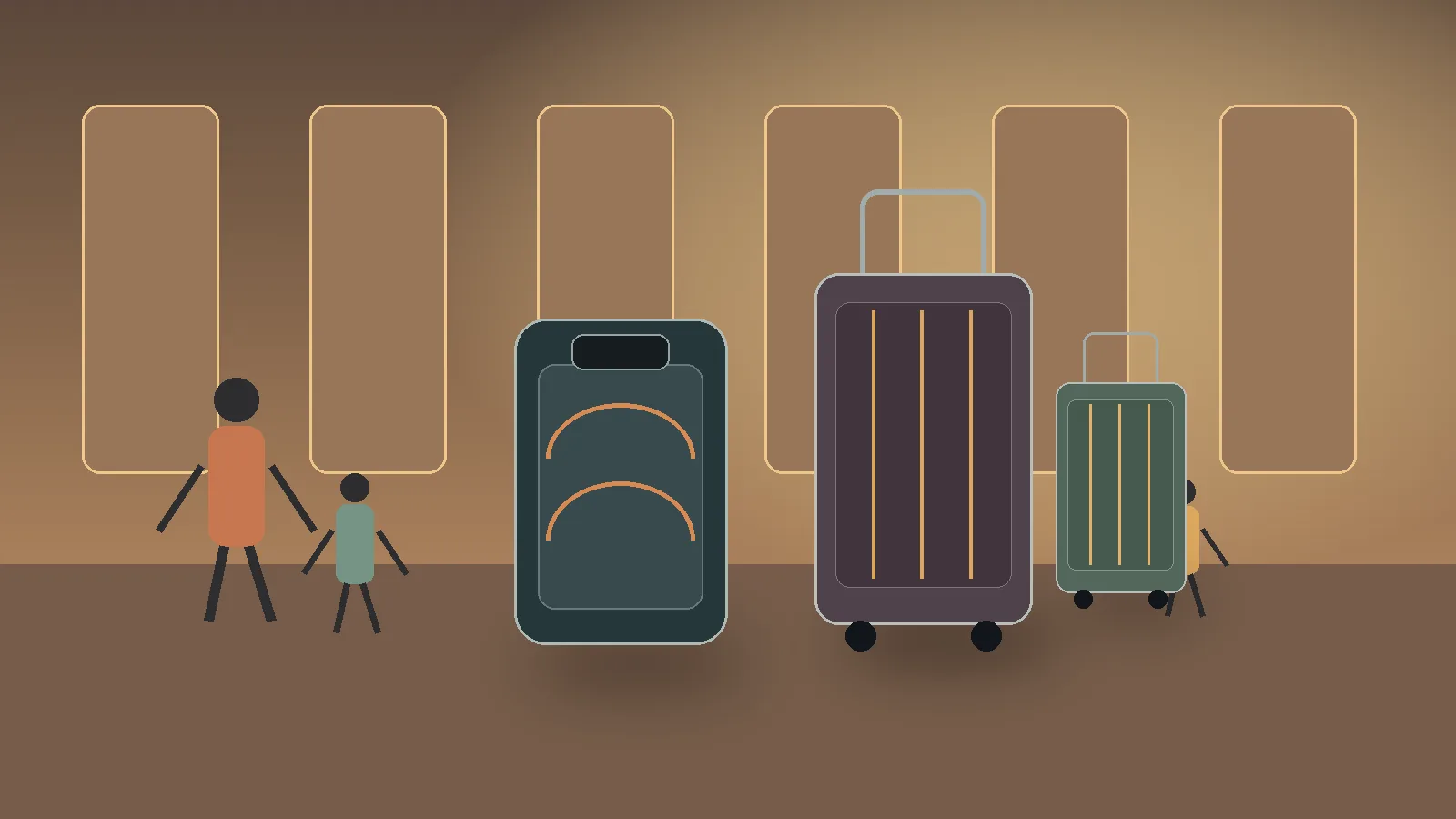
Using a rolling suitcase is usually better for families because it easily holds the massive volume of gear needed for children while keeping items organized. When you are traveling with children, deciding whether is it better to travel with a backpack or suitcase depends on how much gear you must carry. Managing multiple young kids requires a packing strategy that minimizes stress during transit. A structured rolling suitcase allows you to pack heavy, bulky items without straining your shoulders.
Why do parents prefer rolling suitcases?
Parents often prefer rolling suitcases because they easily handle the huge volume of clothes, diapers, and toys required for kids. _Here is the kicker:_ trying to carry all that gear on your back can quickly lead to severe physical fatigue. Standard hard-shell suitcases lay flat, allowing you to instantly locate a clean set of clothes or a fresh diaper without digging.
Carrying child gear requires high capacity and clean organization:
* Ample room for structural baby gear.
* Secure internal dividers to isolate liquid formulas.
* Integrated tie-down straps to hold items stable.
What are the downsides of family suitcases?
Despite their spacious layout, rolling suitcases have severe limitations when you need to manage active children. _Let's face it:_ you cannot easily hold a toddler's hand or push a stroller if your hands are busy dragging heavy luggage. This restriction creates physical challenges that make family transit difficult:
* Reduced hand availability during emergencies.
* Heavy lifting over uneven pavement cracks.
* Constant physical strain while maneuvering tight spots.
Key Takeaway: While hard suitcases offer unmatched volume and organization for extensive family gear lists, they severely limit your physical hand mobility in active transit hubs.
| Suitcase Metric | Family Travel Advantage | Practical Travel Challenge |
|---|---|---|
| Gear Capacity | Extremely high volume for bulk items. | Requires flat pavements to move easily. |
| Accessibility | Lay-flat design allows instant sorting. | Keeps at least one hand constantly occupied. |
_This comparative data shows why family dynamics require balancing gear capacity against your need for hands-free child supervision._
Is it better to travel with a backpack or suitcase for active trips?
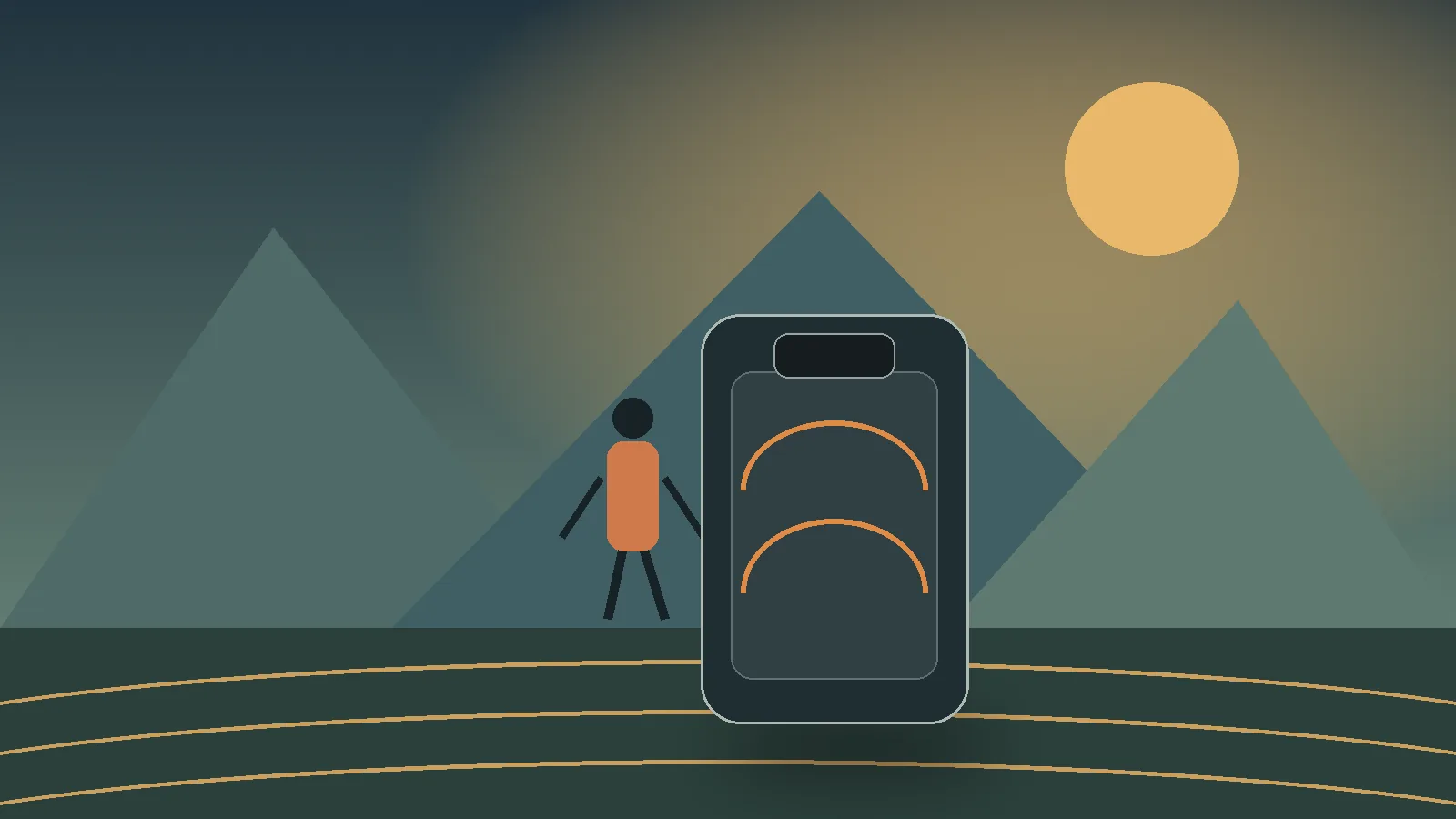
A specialized travel backpack is far superior for active trips because it moves with your body and keeps your hands free. When planning an adventure-filled itinerary, deciding whether OEM travel backpack projects is the first major step to ensuring your mobility. Active trips require you to quickly jump on and off local buses, trains, and ferries. Pushing a heavy suitcase through these high-energy transit spots is highly impractical.
How do backpacks provide hands-free freedom?
Wearing your luggage on your shoulders gives you the physical freedom to react quickly to any travel situation. _Think about it:_ you can easily check your phone for directions, buy tickets, or climb stairs without stopping to drag a rolling bag. This hands-free advantage makes navigating busy transit centers incredibly fast and efficient.
Staying light and mobile is crucial for dynamic travel. Here are some of the active scenarios where this system excels:
* Navigating congested city transit stations smoothly.
* Holding passports and travel documents securely.
* Walking freely up stairs and escalators.
Are there weight distribution benefits?
High-quality travel backpacks are designed with advanced suspension systems that make carrying heavy loads surprisingly easy. _But that is not all._ These packs feature padded shoulder straps and thick hip belts that shift the bulk of the weight onto your hips rather than your lower back. This ergonomic design prevents shoulder strain and keeps you comfortable during long walks, especially when encountering these challenges:
* Sustained physical walking over long distances.
* Carrying heavy technical camera equipment or gear.
* Rapid movement through crowded transit hubs.
Key Takeaway: Modern ergonomic suspension systems allow you to carry substantial gear weights comfortably over long distances without causing spinal fatigue.
| Backpack Component | Physical Ergonomic Benefit | Target Activity Fit |
|---|---|---|
| Padded Hip Belts | Transfers load weight to the pelvis. | Long-distance walking and hiking. |
| Internal Metal Frames | Prevents structural sag and shifting. | Navigating rugged trails and steps. |
_This mechanical breakdown illustrates how high-quality pack frames help ease the burden of heavy, long-distance carry loads._
Is it better to travel with a backpack or suitcase on rough roads?
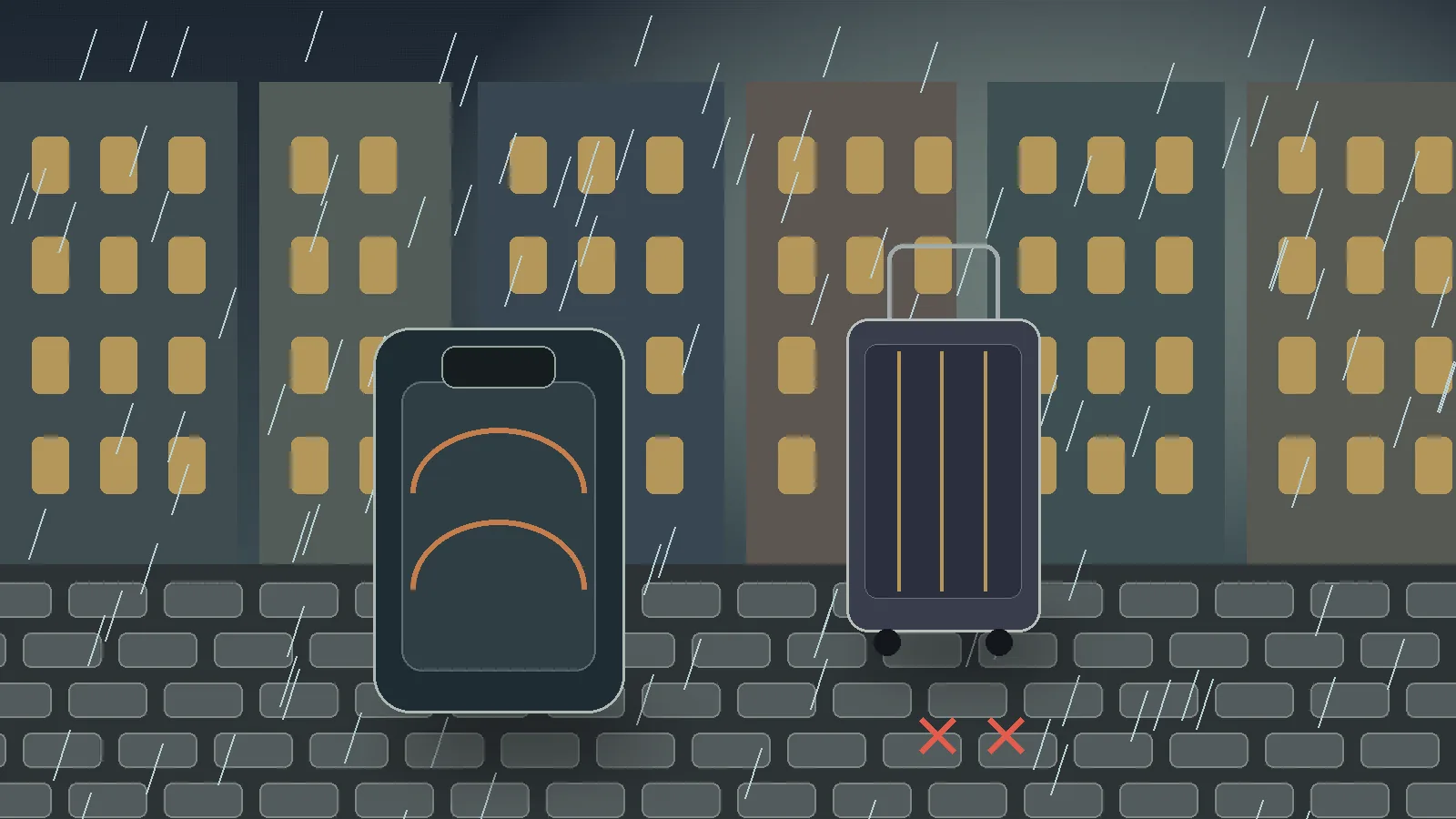
Traveling with a backpack is workably better on rough roads because it eliminates the risk of broken wheels and axle damage. When navigating unpaved paths, determining whether is it better to travel with a backpack or suitcase becomes a question of survival for your gear. Rough roads present severe hazards to small, plastic rolling wheels. Dragging a suitcase over dirt, sand, or rocks will wear down its parts and eventually cause a physical breakdown.
How do transit environments change things?
Transit environments outside modern airports often feature high steps, narrow aisles, and crowded platforms. _But that is not all._ Trying to squeeze a wide rolling suitcase onto a packed local bus or train can be highly stressful and slow you down. A slim backpack allows you to move fluidly through these tight physical spaces without blocking other passengers.
Dynamic travel often involves navigating several transportation modes. Keep an eye out for these common transport obstacles:
* High-step entryways on local trains.
* Extremely narrow aisles on public buses.
* Crowded platforms with minimal floor space.
What happens on uneven and rough terrain?
Dragging wheeled luggage over uneven surfaces like gravel, grass, or cobblestones generates heavy vibration and drag. _Let's face it:_ you will spend more energy pulling against the ground than moving forward. Carrying your gear on your back keeps your luggage completely elevated and protected from ground debris such as:
* Deep gravel pathways in rural towns.
* Cracked historic sidewalks and paving stones.
* Soft sand or muddy dirt roads after rain.
Key Takeaway: Backpacks are the clear winner for off-road environments, allowing you to walk right past terrain obstacles that would completely halt a wheeled suitcase.
| Terrain Category | Suitcase Performance | Backpack Performance |
|---|---|---|
| Cobblestones / Dirt | Heavy wheel vibrations and drag. | Zero terrain impact. |
| Paved Terminals | Smooth and effortless rolling. | Constant, comfortable back carry. |
_Reviewing these terrain differences shows why off-road routes demand a carry system that sits entirely off the ground._
Is it better to travel with a backpack or suitcase at airports?
A rolling suitcase is generally better for airports because it glides effortlessly across smooth terminal floors without straining your back. While passing through security, deciding whether OEM tactical backpack projects is highly dependent on how much walking you must do inside the terminal. Airports feature flat, polished pavements designed specifically for wheeled luggage. Utilizing a spinner case allows you to guide your bags with minimal physical effort.
Why is flat-lay packing more organized?
Suitcases excel at keeping your gear perfectly organized due to their wide, flat-lay opening design. _Let's dive right in._ This book-style layout allows you to view all your packed items at once without creating a disorganized mess. You can easily access specific items at the airport security gate without unpacking your entire bag.
Flat-lay suitcases offer highly structured storage benefits. These design features keep your belongings in place:
* Hard-shell outer cases protect delicate clothing from being crushed.
* Wide, flat compartments keep neatly folded garments wrinkle-free.
* Built-in mesh pockets organize smaller accessories effortlessly.
How do backpack compartments compare?
Backpacks often require you to load items from the top, which can make finding small accessories deeper in the bag difficult. _But that is not all._ Modern travel packs now incorporate front-loading panels and specialized laptop slots to close this convenience gap. Using organized packing cubes is highly recommended to keep your soft bag structured and avoid these common packing problems:
* Loose clothing shifting to the bottom.
* Fragile items getting crushed during transit.
* Wasted interior corner space.
Key Takeaway: While suitcases make finding your items simple with their lay-flat designs, packing cubes can help backpacks match that same level of organization.
| Packing Element | Suitcase Layout | Backpack Layout |
|---|---|---|
| Opening Style | Clamshell (lays flat on floors). | Top-loading or U-zip front panels. |
| Wrinkle Protection | High (rigid walls prevent crushing). | Moderate (requires careful rolling). |
_This visual comparison highlights why organized travelers often choose flat-lay suitcases to prevent rumpled clothing._
Is it better to travel with a backpack or suitcase for your health?
A rolling suitcase is usually better for your spinal health because it eliminates the physical stress of carrying heavy loads on your shoulders. When evaluating physical strain, analyzing whether is it better to travel with a backpack or suitcase depends heavily on your back strength and endurance. Carrying a heavy backpack for hours can compress your spine and cause muscular fatigue. Rolling your luggage allows you to move freely without putting unnecessary stress on your joints.
When should you use small backpacks for toddlers?
For very young children, carrying a small, light backpack can help build their confidence and independence. _It gets better._ Toddlers enjoy having their own special bag to carry lightweight toys or snacks during a family trip. However, you must make sure the bag is extremely light to protect their growing spines.
When choosing a toddler backpack, safety and size must be your top priorities. Look for the following ergonomic features:
* Ultra-lightweight materials to protect growing spines.
* Chest straps to prevent the pack from slipping off.
* Fun, recognizable animal shapes to encourage carrying.
Do ride-on suitcases work for preschoolers?
Ride-on suitcases are an excellent alternative for preschoolers who get tired of walking during long transit layovers. _Think about it:_ these hard-shell cases allow children to sit and ride while you pull them along safely. This setup resolves multiple airport issues for traveling parents:
* Child fatigue during long terminal walks.
* Boredom during extended gate delays.
* Wandering children in crowded public spaces.
Key Takeaway: Ride-on cases keep preschoolers entertained and active, while small, lightweight backpacks work best for toddlers on short day trips.
| Kid's Bag Type | Best Age Range | Primary Travel Benefit |
|---|---|---|
| Ride-On Suitcase | Ages 3 to 6 years. | Doubles as airport seating and entertainment. |
| Small Animal Pack | Ages 1 to 3 years. | Keeps favorite toys close and builds confidence. |
_These kids' options show how choosing the right size and style can keep young travelers happy and cooperative._
Is it better to travel with a backpack or suitcase for security?
A hard-shell suitcase offers superior physical security because its rigid exterior and integrated TSA-approved locks prevent unauthorized entry. If you are traveling through high-theft areas, deciding whether e-commerce bag projects can have a massive impact on the safety of your valuables. Soft backpacks are easier for thieves to slice open or unzip unnoticed in crowded crowds. Locking down your gear is essential for stress-free international travel.
How much money can cabin luggage save?
Traveling carry-on only can save you a significant amount of money by avoiding steep checked bag fees. _The truth is:_ airline baggage fees can add up quickly, especially on budget regional flights. Keeping your bag in the cabin with you also eliminates the risk of the airline losing your luggage entirely.
Packing light offers several direct financial and physical benefits. Here is how keeping your bags close saves resources:
* Saves you from expensive check-in fees on budget airlines.
* Skips the long lines at the baggage claim carousel.
* Avoids taxi fees by letting you walk straight to local transit.
What is the perfect carry-on setup?
The ideal carry-on setup balances compact dimensions with maximum interior packing volume. _But that is not all._ You want a bag that fits standard airline overhead bins perfectly while meeting these strict requirements:
* Exact dimensional compliance with major airlines.
* Easy-access pockets for electronics and liquids.
* Lightweight construction to pass weight audits.
Key Takeaway: Moving to a carry-on-only strategy saves you money and gives you the freedom to walk right off the plane and start exploring immediately.
| Cabin Bag Style | Standard Dimensions | Best Airline Match |
|---|---|---|
| Rolling Carry-On | 22" x 14" x 9" | Major international carriers. |
| Travel Daypack | 18" x 12" x 8" | Budget regional commuter flights. |
_This size comparison highlights how keeping your bags compact helps you easily meet strict airline cabin rules._
Is it better to travel with a backpack or suitcase in bad weather?
A specialized waterproof backpack is much better in bad weather because it keeps your gear dry while you navigate rain or snow hands-free. When traveling during the rainy season, deciding whether is it better to travel with a backpack or suitcase depends on the water resistance of your gear's exterior. Hard-shell suitcases can seal out moisture, but you still have to drag them through deep puddles and slush. A rugged waterproof pack keeps your gear elevated and clean, no matter how bad the storm gets.
Why do European cities demand backpacks?
European cities are famous for their old cobblestone streets, narrow stairways, and historic layouts. _Here is why:_ dragging a rolling suitcase through a sudden rainstorm on uneven cobblestones is an absolute nightmare. A backpack allows you to move quickly to shelter without getting your luggage soaked in muddy puddles.
European urban environments present several physical challenges during wet weather. These factors make rolling luggage highly impractical:
* Rough, uneven historic cobblestones.
* Historic buildings without modern elevator systems.
* Narrow, elevated stone stairs and pedestrian pathways.
Are resorts and hotels built for suitcases?
Resorts, modern hotels, and cruise terminals are specifically designed to accommodate rolling suitcases. _Think about it:_ these locations feature flat, covered walkways, smooth elevator ramps, and valet services that make luggage transit effortless. They completely protect your gear from outdoor issues like:
* Muddy grass pathways and gravel driveways.
* Standing puddles on unpaved resort lanes.
* Slippery, uneven external concrete stairs.
Key Takeaway: Historic, hilly cities demand an agile backpack, while modern resorts and paved destinations are perfect for rolling suitcases.
| Destination Type | Dominant Infrastructure | Recommended Luggage |
|---|---|---|
| Historic Europe / Asia | Narrow steps, cobblestone alleys. | Lightweight Travel Backpack. |
| Modern Resorts / Cruises | Flat walkways, elevators, valet. | Spinner Wheeled Suitcase. |
_Matching your bag to your destination's streets makes transit smooth and prevents broken wheels._
Is it better to travel with a backpack or suitcase for long term?
A durable, multi-compartment travel backpack is better for long-term travel because it adapts seamlessly to changing climates and varied transportation modes. As you plan a multi-month journey, assessing whether fast replenishment project will determine how easily you can adapt to unexpected travel conditions. Long-term travel requires gear that can withstand daily wear and tear for months on end. Having a versatile carry system ensures you can transition from city streets to rugged trails without a hitch.
What materials survive rough transport?
Long-term travel demands materials that can survive constant abuse from cargo handlers and rough terrain. _Believe it or not:_ lightweight, low-quality fabrics will tear within weeks of continuous, active use. Investing in high-denier nylon with water-resistant coatings ensures your luggage survives the journey intact.
Heavy-duty luggage relies on specialized material technology to prevent failures. Look for these durable material standards:
* 900D double-ripstop ballistic nylon.
* Waterproof polyurethane base backings.
* Heavy-duty, self-repairing oversized coil zippers.
Do zippers and wheels break easily?
Zippers and external wheels are the most common points of failure on travel gear. _But that is not all._ If a wheel snaps off a suitcase in a remote location, you are stuck carrying a heavy, awkward box by its side handle. Soft backpacks have no external wheels to break, meaning they survive these major wear-and-tear risks:
* High-impact drops from baggage handlers.
* Heavy friction against rough concrete platforms.
* Over-packing stress on main closure zippers.
Key Takeaway: Soft, heavy-duty packs withstand rough handling far better than suitcases, which are prone to cracked outer shells and broken wheels.
| Component Vulnerability | Suitcase Risk Point | Backpack Risk Point |
|---|---|---|
| External Wheels | Easily snapped off by cargo belts. | None (completely flush design). |
| Fabric / Shell | Hard plastic can crack under impacts. | Straps can catch if not tucked away. |
_This risk assessment shows why rugged, off-road journeys require durable, tear-resistant materials._
Is it better to travel with a backpack or suitcase FAQ?
Choosing the ideal bag depends on your body's physical capabilities, your itinerary, and the specific rules of the airlines you plan to fly. To finalize your choice on whether is it better to travel with a backpack or suitcase, let us address the most common packing questions. These detailed answers will help you make a fast, confident packing decision. We have compiled real-world solutions to resolve your final travel dilemmas.
Can I bring a large travel backpack on a plane?
Generally yes, but it depends on your pack's dimensions. Most airlines will accept packs under 45 liters in overhead bins, but larger bags must be checked.
What's the best gear for long-term travel?
A high-durability travel backpack is usually best. Active transit requires hands-free mobility and the flexibility to navigate different terrains easily.
How do I know if my child can carry their bag?
Check that the loaded weight stays under ten percent of their body weight. Keeping packs light prevents fatigue and protects growing backs from strain.
Can a hybrid rolling backpack solve my dilemma?
Yes, it offers the best of both worlds. These hybrid bags let you roll on smooth pavements and use shoulder straps on rough streets.
How do I protect delicate items inside a soft pack?
Using rigid packing cubes and internal padded cases is highly effective. Grouping fragile items in the center of your bag surrounded by soft clothing keeps them safe from impacts.
Choosing the perfect gear does not have to be a stressful choice that ruins your trip. Whether you need rugged, multi-compartment travel packs or heavy-duty gear bags, we manufacture durable solutions tailored to your brand's unique needs. We use premium materials, run strict quality checks, and offer low minimum order limits to build long-term, reliable manufacturing partnerships. To scale your inventory with custom, high-quality gear, contact us today for a free sample plan and direct-from-factory pricing.