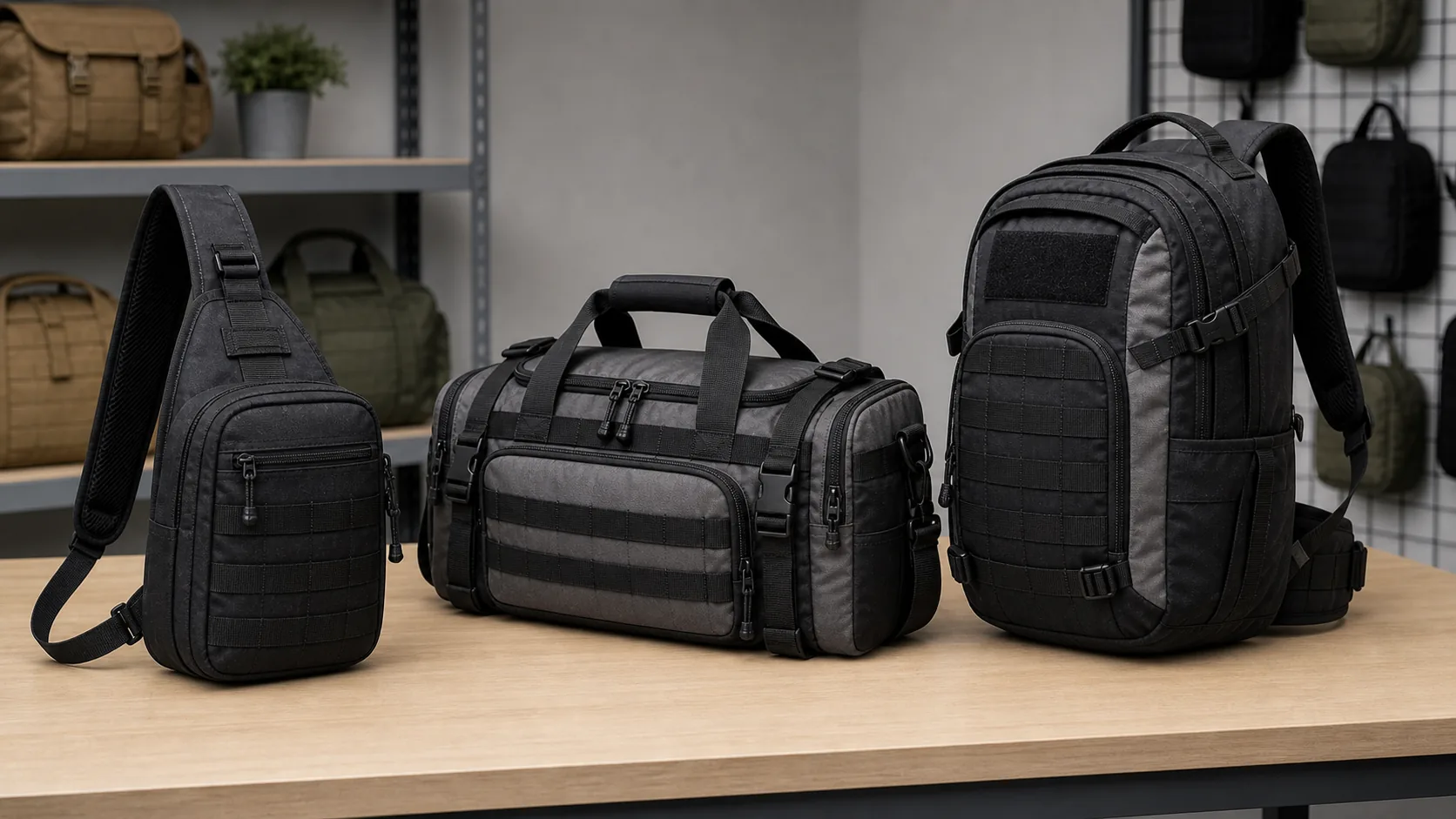
Tactical Backpacks
MOLLE, reinforcement, load organization, and tactical program decisions.
Tactical Backpacks
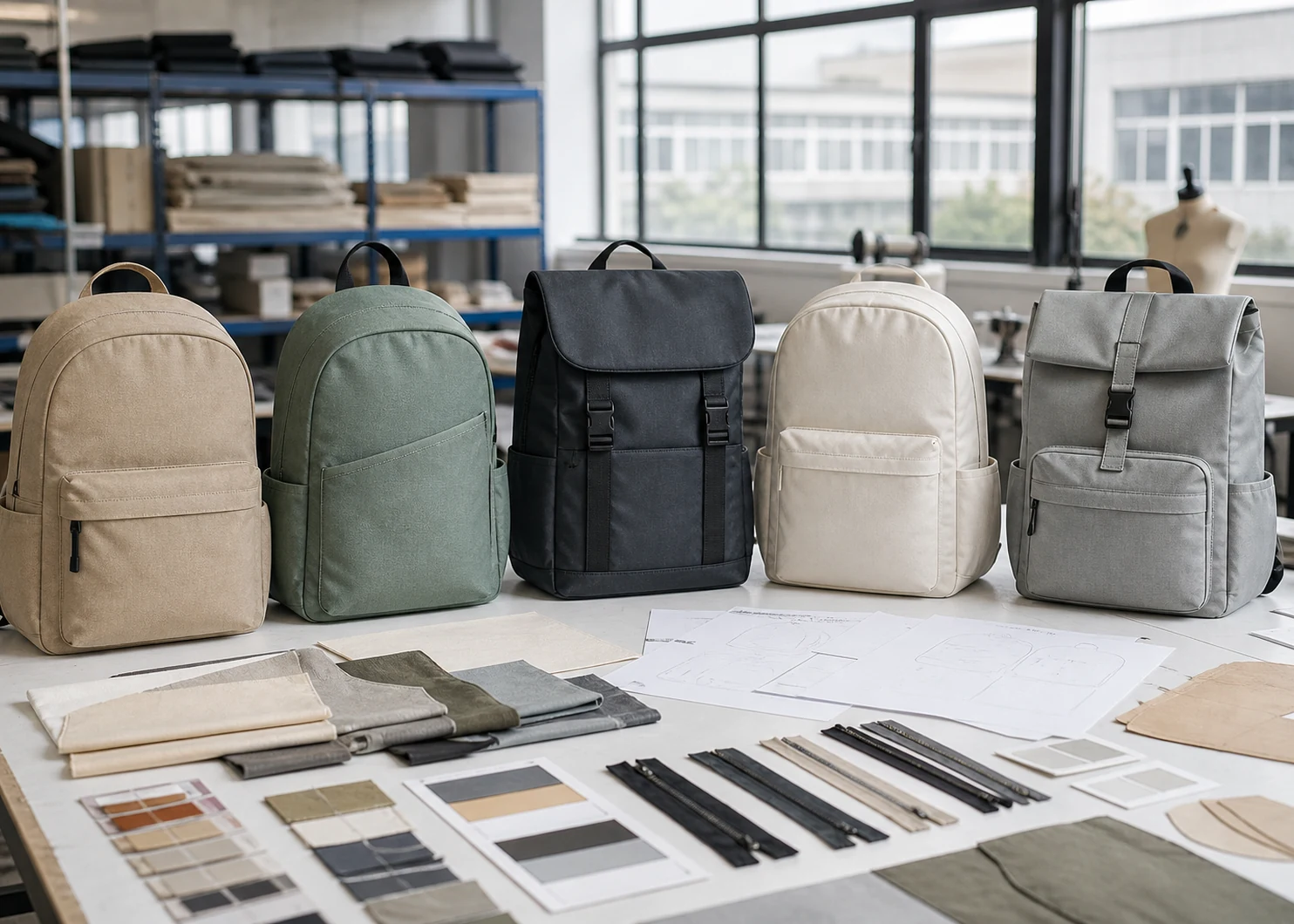
Compare backpack manufacturers for OEM, ODM, and private label programs by product type, development starting point, specification control, and evidence before requesting a sample.
Backpack Styles


Use this hub when you need to design your own backpack for a brand, compare custom backpack manufacturers, or move an existing design toward bulk production. Start by identifying what already exists: an idea, a reference product, a tech pack, or an approved sample. The next questions and quotation basis should follow that starting point.
Compare daily, laptop, travel, outdoor, tactical, waterproof, gym, and promotional backpack programs by target user, capacity, access, compartments, carry duration, and sales channel. When comparing backpack manufacturing companies, check whether specialist water-exposure or load-system requirements are routed to the right development path.


Define shell and lining specifications, dimensions and capacity, compartment and opening layout, base construction, zippers, buckles, webbing, reinforcement, and carrying system on one controlled product brief. Then review branding, packaging, manufacturability, and the evidence needed for any performance wording.
Shell and lining
Construction, finish, backing, color reference, and material code.
Layout and access
Dimensions, capacity, openings, compartments, pockets, and base.
Carrying and load
Back panel, shoulder straps, adjusters, load position, and target carry.
Hardware and reinforcement
Zippers, buckles, webbing, seams, attachment points, and stress areas.
Use an OEM backpack manufacturer when design files and specifications are substantially fixed. Use ODM when the structure, materials, or construction still need development. Use a private label backpack manufacturer when labels, logo application, packaging, and coordinated brand delivery are central to the scope.


Before sampling, match every claim to the exact object, version, and scope it covers. A factory-system certificate, material report, component record, finished-product test, and lot inspection answer different questions. An approved sample is a controlled reference, not a guarantee that a future production lot will match it.
Product and category
Images or examples should match the product category and the claim being evaluated.
Specification version
Quote, tech pack, BOM, artwork, and sample references should point to the same version.
Material and components
Bind material and component records to the codes used in the current product brief.
Test and inspection scope
Check the sample, method, condition, endpoint, date, and lot covered by each result.
Certificates and lot documents
Keep factory-system evidence separate from product, material, and production-lot evidence.
Use the Tactical Backpack page for MOLLE, reinforcement, load organization, and tactical program decisions. For a waterproof backpack program, name the exposure direction, intensity or depth, duration, load posture, closure state, and acceptance endpoint before selecting construction or evidence.
MOLLE, reinforcement, load organization, and tactical program decisions.
Tactical Backpacks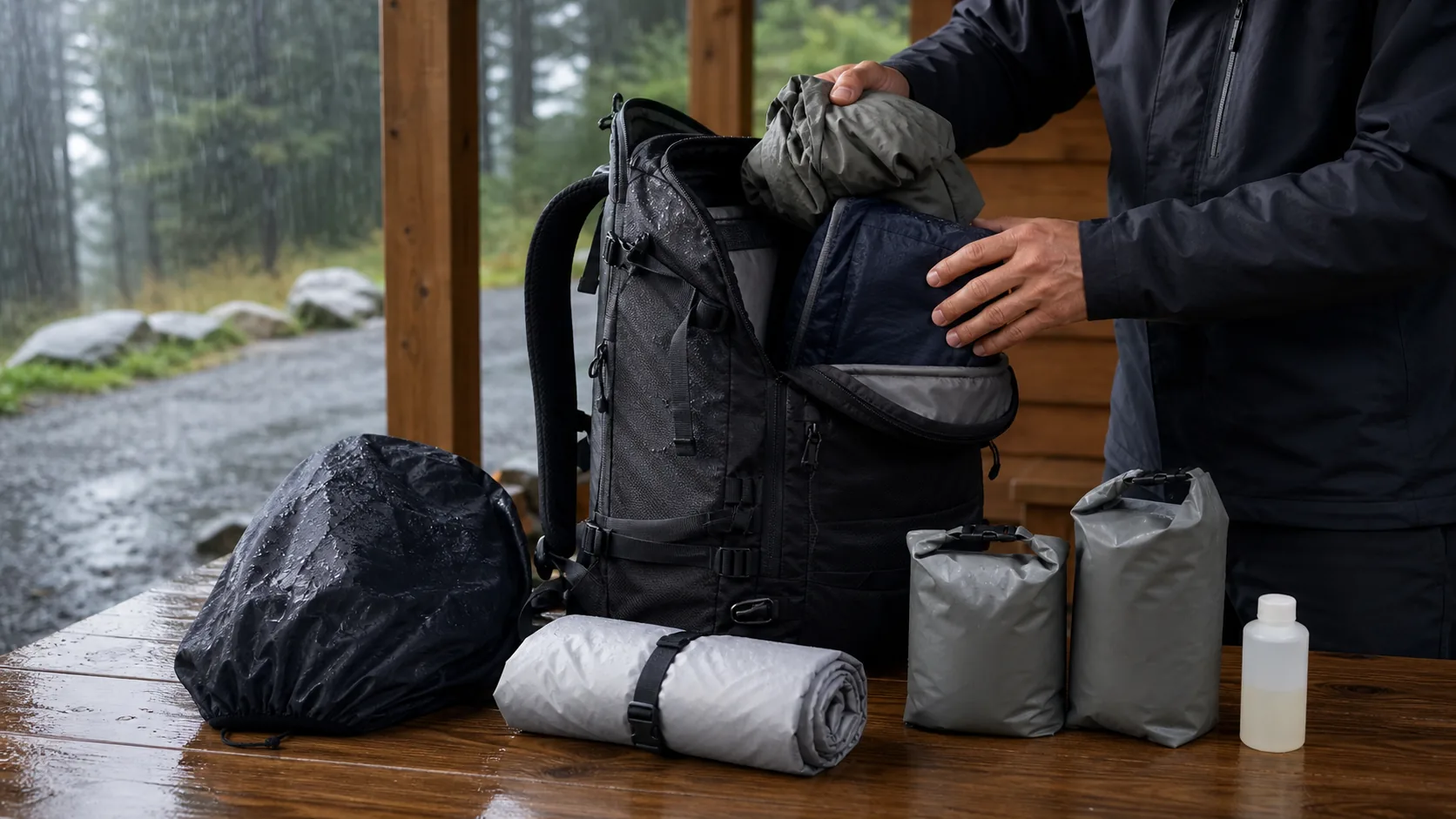
Defined water exposure, seam and closure paths, attachment points, and finished-product checks.
Waterproof Travel BackpacksUse this gallery to compare backpack directions before choosing the development route. Look at capacity, compartments, opening style, carry system, material direction, and branding placement.
The gallery helps you choose which backpack path to discuss first. Customer names, order data, prices, test results, and private construction files stay out of the public page unless release is approved.


Buyer questions
Compare the same product brief, specification version, quantity basis, inclusions, exclusions, and evidence scope. If suppliers are filling open items with different assumptions, the resulting prices and timelines are not directly comparable.
For a brand or bulk program, send the target user, use scenario, item list, capacity or dimensions, reference direction, material preference, compartments, carrying system, branding, packaging, quantity, market, and target date. Mark which decisions are fixed and which remain open.
No. An approved sample defines a controlled comparison reference. Each production lot still needs its own relevant inspection, measurement, or test records tied to the current specification and sample version.
Choose OEM when the backpack design is already approved, ODM when the structure and materials still need development, and private label when coordinated branding and packaging are central. Some backpack programs combine these paths.
Share the starting point, intended user, load, dimensions, compartments, carrying system, materials, branding, packaging, quantity, market, and target date.
We will review the product direction and return the next development questions.