
A backpack budget is easier to set when you know whether you need a school daypack, a hiking pack, or a custom-production quotation.
US listings consulted on October 2, 2026 showed an everyday backpack at $44.99, a travel backpack at $125.99 on promotion, and two hiking packs at $99.95 and $159. These are specific examples, not market averages. Custom manufacturing needs a separate, specification-based quote.
If you are buying one bag, start with the retail examples and compare the features you need. If you are sourcing an order, use the material and construction questions, then normalize the supplier quotations with the worksheet below.
How Much Does a Backpack Cost in the United States?
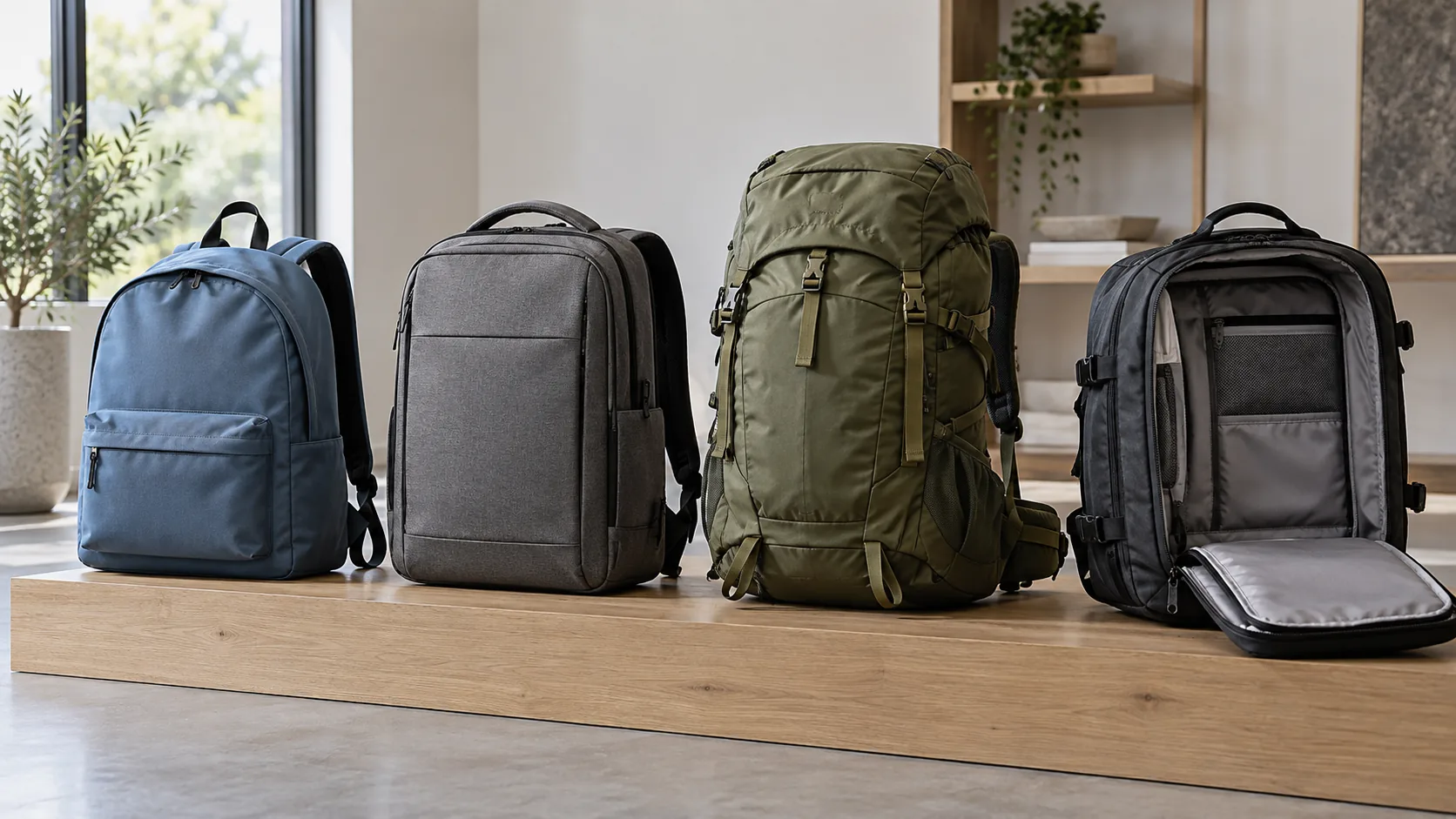
The table records four model-specific examples from three US sellers’ public pages. Prices are in US dollars, before applicable sales tax and shipping. They are the displayed product prices, not checkout quotations, and extra coupon, multi-item, or membership benefits are not deducted.
| Intended use | Specific listing and source | Displayed product price | Price basis and limit |
|---|---|---|---|
| School or everyday carry | High Sierra Swoop SG, Black | $44.99 | Product and category pages show this amount; multi-item promotion excluded |
| Business or short-trip travel | Samsonite Detour Travel Backpack, New Black | $125.99 | Displayed promotional price; $179.99 is separately labeled “Comp. Value,” not recorded here as a confirmed former selling price |
| Day hiking | REI Co-op Trail 25 | $99.95 | Posted product price; selected color/size availability requires checking |
| Larger hiking pack | REI Co-op Trail 40, Men’s | $159.00 | Posted product price; selected color/size availability requires checking |
Access date: October 2, 2026. Some displayed REI selections were marked sold out. A visible price is not a promise that every variant can be ordered at that price. The generated illustration shows generic categories, not the named models.
Use these examples to orient a search, then check the exact model, variant, stock status, price label, and checkout total. Four products cannot establish the minimum, maximum, or average price for all school, travel, or hiking backpacks. Luxury bags, accessories, resale listings, and custom bulk orders are outside this observation.
For a useful comparison, hold the intended use reasonably constant. A school backpack and a framed hiking pack solve different problems; the difference between their prices does not measure the cost of a single feature.
Why Do Backpack Prices Vary So Widely?
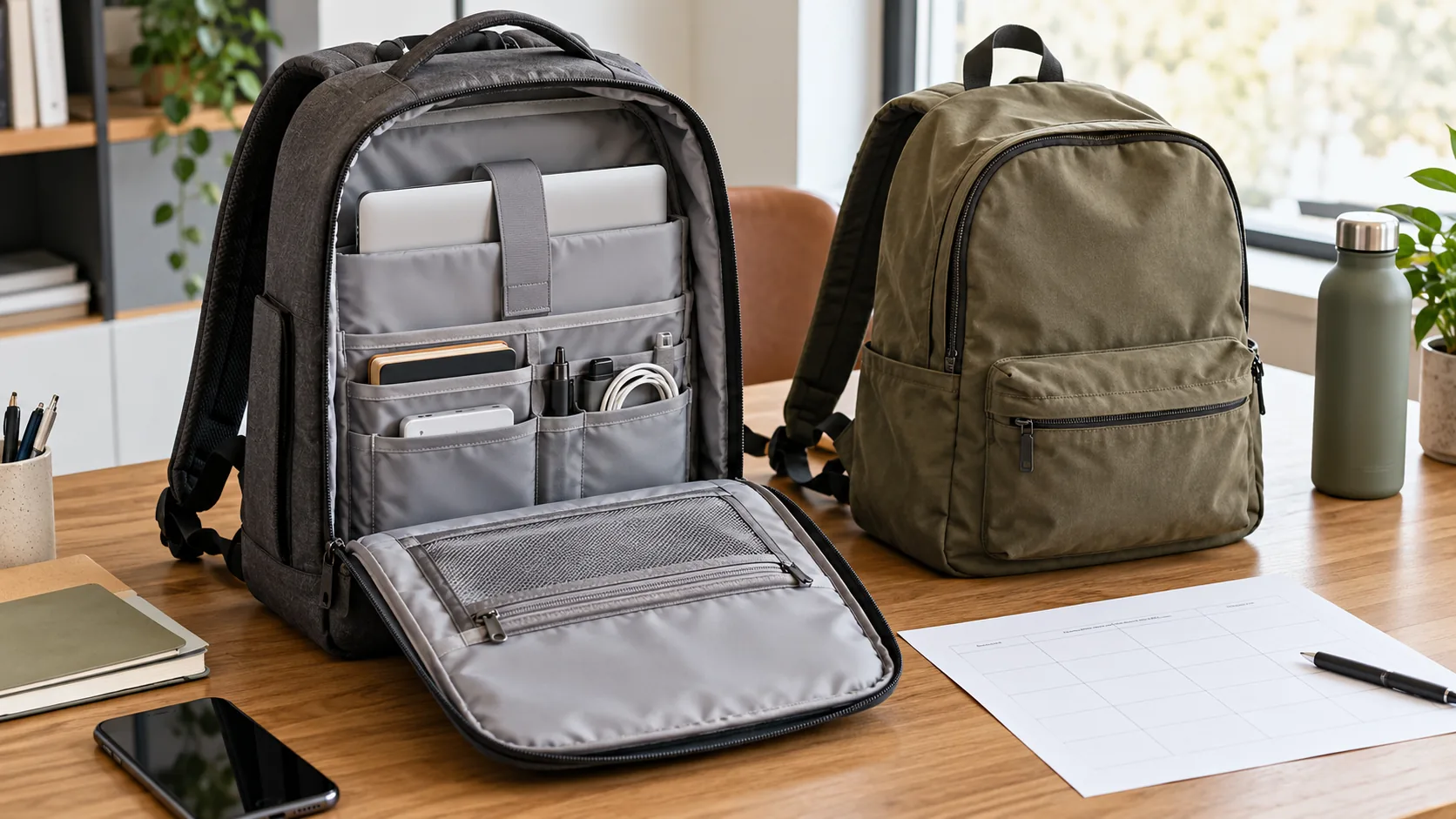
Compare the specified features, selling terms, and price basis within the intended category. Capacity alone does not explain a retail price, and unlike products cannot establish why one seller charges more.
Check what the listing actually includes: a laptop compartment, separate access, frame or support structure, pocket layout, raincover, attachment points, materials, and any stated service terms. Decide which of those matter for your use. A higher price is not independent evidence of better fit, durability, or protection.
Then read the price label. A promotional amount, a reference or comparison value, and a checkout total are different numbers. In the Samsonite example, the displayed $125.99 product price sits alongside a $179.99 comparison value. Keeping the two labels separate avoids turning a reference figure into an assumed regular selling price.
Warranty and return terms are also worth comparing, but a listing does not reveal how much of its price funds either service. The sample above supports the stated prices and labels; it does not prove the effect of brand positioning, channel margin, or manufacturing cost.
Before deciding that a bag is expensive, write down the category, exact model and variant, included features, displayed price, promotion conditions, shipping, and tax. Compare those fields with a product serving the same task.
Which Materials and Components Change the Cost?
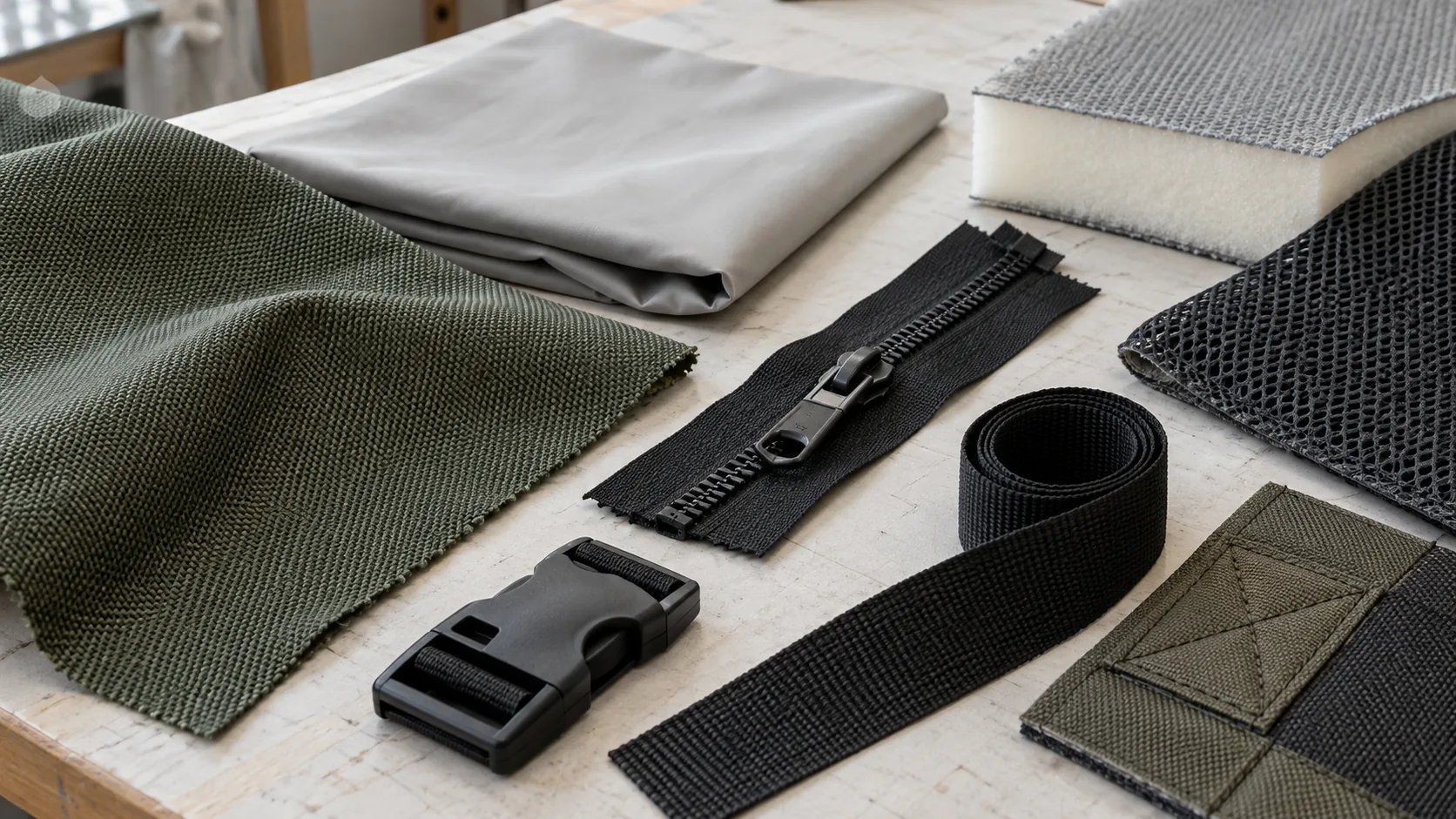
A custom quote needs identifiable materials and components. “Nylon backpack” or “600D polyester” leaves construction and finishing choices unresolved, so suppliers may be quoting different products despite using the same short description.
Record the shell’s supplier article or material code, fiber, yarn specification, weave or knit, weight where relevant, coating or backing, finish, and color reference. The nylon bag material guide helps frame those questions before a fabric comparison becomes a price comparison.
| Specification area | Fields to align between quotations |
|---|---|
| Shell and lining | Exact material references, construction, finishing, color, and lining coverage |
| Foam and mesh | Material identity, thickness or other agreed measured fields, location, and intended function |
| Zippers and closures | Chain or closure family, size, slider or mating components, finish, and position |
| Webbing, buckles, and adjusters | Material/component references, widths or sizes, attachment, and any required evidence |
| Frame and reinforcement | Proposed construction, component identity, placement, and load-related requirements |
| Decoration | Actual artwork, process, colors, positions, and setup versus per-unit charges |
| Packaging | Pack-out, labels, inserts, protection, and any retail presentation requirement |
Use the backpack parts and accessories guide when a component name needs clarification. A hardware substitution should be identified and assessed; a cheaper component is not automatically equivalent or unsuitable.
These fields are a purchasing aid, not a mandatory paperwork system. A stock component can use a clear supplier code and reference sample; a changed or critical component may need more detail. Keep performance requirements separate from the catalog name and ask the supplier which assumptions its quotation uses.
No universal percentage is assigned to fabric, labor, hardware, or profit. Those shares cannot be determined from a product photo, and a retail price is not a material-cost breakdown.
How Does Construction Complexity Affect a Quote?
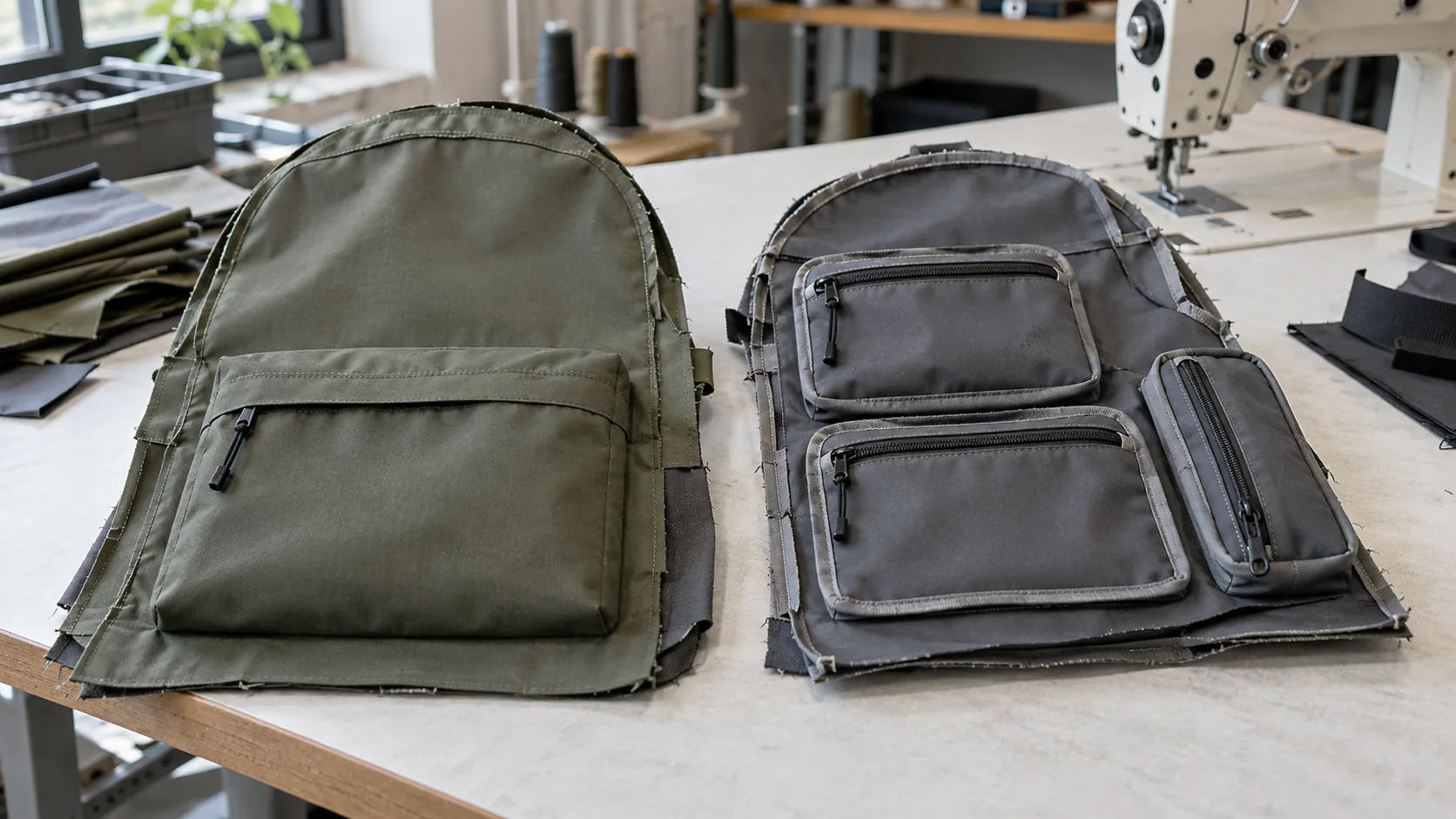
Construction changes the operations a supplier needs to assess: cutting, joining panels, assembling pockets, inserting zippers, attaching lining, finishing seams, installing hardware, decorating, and checking the finished bag.
A small organizer pack with several lined pockets can involve more separate components and operations than a larger single-compartment design. That is a design comparison, not a quoted labor multiplier. Capacity measures internal volume; it does not establish fabric consumption or sewing time by itself.
Ask the supplier to review the actual pattern and construction. Curved seams, binding, reinforcement, and access systems have different handling requirements, but their cost effect depends on the proposed process. The backpack production walkthrough shows where these choices enter cutting, sewing, and assembly.
Define inspection and testing separately. State the required checks, sample or lot scope, methods where relevant, responsible party, and whether the cost is included. Do not assume inspection appears as a separate line, or that an unspecified check will inevitably produce a dispute.
If construction is still open, request a proposed solution and list the assumptions before comparing precise unit prices. Once the design is settled, compare quotations against the same specification version. Keep unresolved choices visible instead of allowing each quote to close them differently.
What Does It Cost to Make a Custom Backpack?
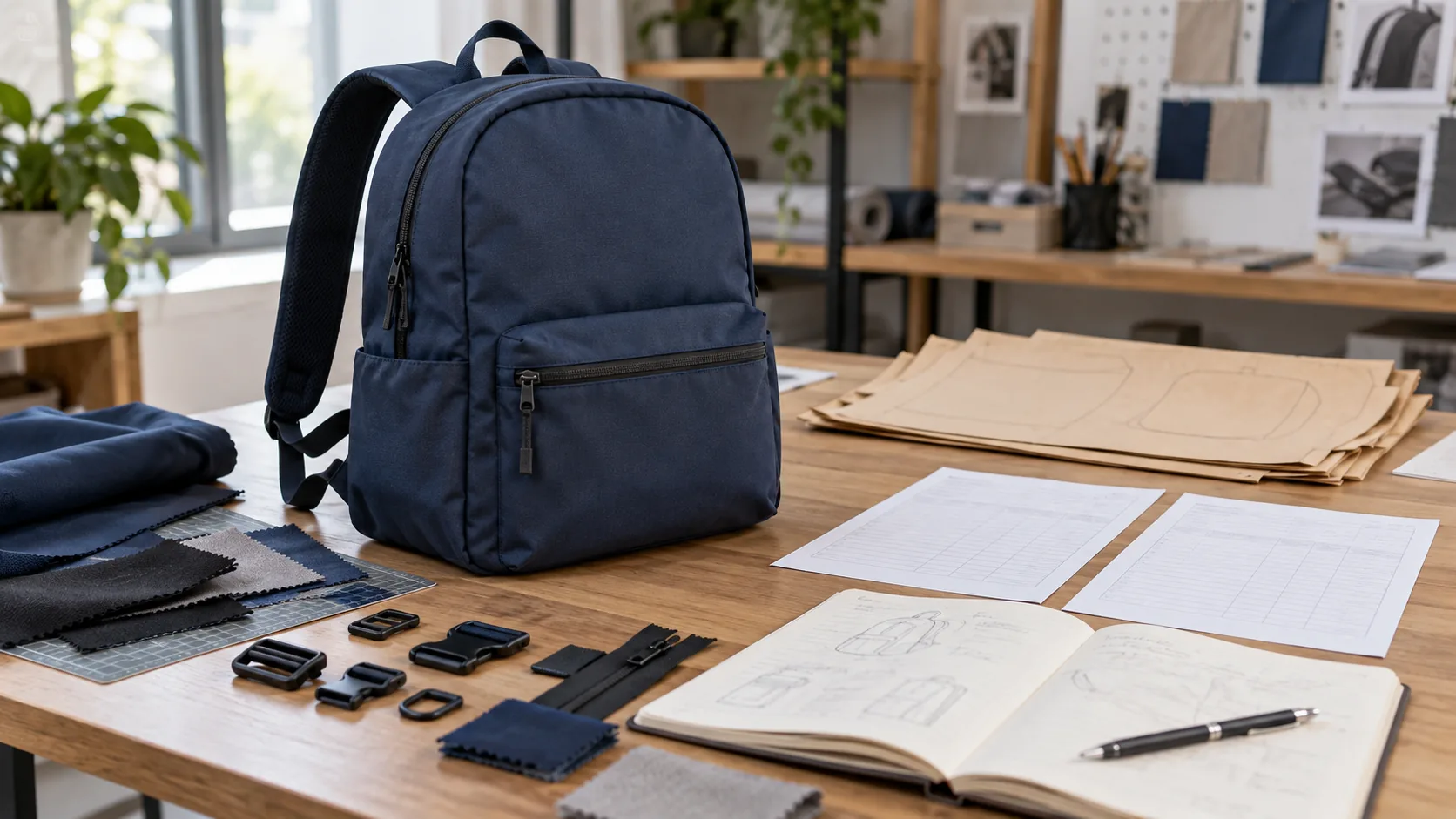
There is no project-independent custom backpack price in this guide. A useful quotation separates the proposed unit price from development, setup, testing, packaging, and delivery-related charges.
Confirm the sample or development charge, what it covers, and whether any amount is credited against a later order. Ask how revisions are handled. Neither a sample fee nor a credit should be assumed without the stated terms.
For the production quotation, give the specification version, quantity by relevant variant, materials, components, decoration, packaging, and required checks. If quantity is negotiable, request the same specification at two feasible order quantities. The difference shows the supplier’s quoted quantity effect for that project; it does not establish an industry-wide discount or minimum order.
Record logistics on the same basis. Include the stated delivery term and named place, quote validity, relevant shipping assumptions, and who is responsible for freight, duties, taxes, clearance, and other charges. An ex-factory figure and a delivered total are not interchangeable.
For US imports, confirm classification using the actual product and applicable legal notes rather than assigning every backpack one tariff code. The USITC classification and importing guidance explains why a keyword search alone is insufficient and why additional duty provisions may need checking. Verify the applicable treatment for the goods, origin, and entry timing before estimating landed cost; obtain qualified customs help where needed. This guide provides no universal duty rate.
When asking backpack manufacturers for a quotation, send the material and construction references, quantities, artwork, packaging, target timing, and open questions together. Specify which choices are fixed and where you want a proposed alternative. No ZWbags unit price, fee, MOQ, or lead-time promise is supplied here.
How Should Buyers Compare Two Backpack Quotes?
Compare the scope before the total. Quotes become meaningfully comparable when they describe the same version, quantity, components, construction, checks, packaging, and delivery responsibility-or clearly identify the differences.
Use this worksheet for each supplier. An unanswered field is an open question, not an included item or a zero cost. Where a field does not apply, record that rather than inventing a value.
| Comparison field | What to record | Question if the basis differs |
|---|---|---|
| Object and version | Model, specification version, quote date and validity | Are both suppliers quoting the same product revision? |
| Quantity | Units by color or variant and quantity basis | Does the price hold at the quantity you plan to order? |
| Shell, lining, and foam | Material/component references, coverage, finish and measured fields | Is there a proposed alternative rather than the same specification? |
| Hardware and reinforcement | Identifiable components, sizes, placement and construction | Which substitutions or attachment changes are included? |
| Construction | Pockets, access, lining, seam finishing and reinforcement | Do the pattern and operation assumptions match? |
| Decoration | Artwork, method, colors, positions and setup charges | Which costs are one-time and which are per unit? |
| Development | Sample scope, revision charges and any credit terms | What happens if the sample needs another revision? |
| Inspection and testing | Checks, methods, sample/lot scope, responsible party and costs | Which evidence and retests, if any, are included? |
| Packaging | Pack-out, labeling, protection and presentation | Is the required shipping or retail format included? |
| Timing | Stated start event, approval dependencies and delivery basis | Are both lead times measured from the same event? |
| Delivery and landed-cost inputs | Term, named place, freight, clearance, duty/tax responsibility | Are both totals priced to the same destination and scope? |
| Open items and exclusions | What is unresolved, excluded, or awaiting evidence | Who must clarify it before a comparison or order decision? |
Align the quote, material records, drawings, and sample to the same revision. A document set in one folder can still describe different versions. A complete worksheet also does not prove a supplier’s ability or the future lot’s conformity; those require their own assessment.
Keep retail benchmarking separate. Subtracting an assumed retail markup from a shelf price only replaces an unknown factory cost with an unverified assumption. Compare retail prices within a relevant category and supplier quotes on an aligned project scope.
How Can Cost Be Reduced Without Hiding a Specification Change?
Request alternatives with visible tradeoffs. A discount can reflect commercial terms or a scope change; ask what, if anything, changes rather than assuming every lower price hides a substitution.
- Review pockets and access. Removing or combining a pocket changes organization and appearance. Ask for the revised construction and quoted effect.
- Consider shared hardware families. Confirm compatibility and function at each position; using fewer variants may simplify sourcing but does not guarantee savings.
- Review decoration. A different method, fewer positions, or revised artwork can change appearance and quoted setup work. Approve the actual result.
- Consider an available material article. Confirm composition, construction, finish, color, and needed evidence before accepting an alternative; “stock fabric” is not a specification.
- Align packaging with the channel. Price the presentation and protection needed for the packed product rather than assuming the lightest pack-out is sufficient.
- Compare feasible quantities. Keep the specification fixed when testing quantity effects, and consider the inventory commitment as well as the unit price.
Document what changed, why, who approved it, the new revision, and which orders or lots it affects. Update the relevant material, drawing, quote, and sample references. A small project can keep this in a table or a clear written exchange.
Review only the evidence affected by the change: for example, an altered seam or load-bearing attachment may need a new sewn sample and relevant checks. The required reassessment depends on the change; do not assume every change needs the same full test program or that previous approval carries over automatically.
Before accepting a revised price, confirm that the agreed version and inclusions are the ones the supplier will produce. Resolve remaining questions explicitly so the lower total represents a decision you can trace.
Frequently Asked Questions
What is a reasonable price for a school backpack?
The dated table includes an everyday/school-use example at $44.99, not a complete school-backpack price range. Compare the required size, organization, materials, fit, service terms, and checkout total with similar products. Recheck the specific listing when purchasing.
How much does a good backpack cost?
Price alone does not establish suitability or quality. Define the intended use, then check the actual fit, features, construction, material evidence where needed, and selling terms. A bag that suits one task may not suit another at any price.
How much does it cost to make a custom backpack?
Request a specification-based quotation separating unit price, sample/development, setup, testing, packaging, and delivery-related charges. The total depends on the proposed product and order terms. No universal manufacturing price or unapproved ZWbags quotation is given here.
Does a bigger backpack always cost more to make?
Capacity alone cannot establish cost. Materials, panel layout, pockets, lining, support components, decoration, and the supplier’s proposed process all need assessment. Compare actual quotations rather than deriving cost from liters.
How should quantity, samples, and extra charges be compared?
Ask for the same specification at feasible quantities and record the sample scope, revisions, credit terms, tests, packaging, delivery responsibility, and exclusions. Mark unanswered items for clarification. Compare totals only after those assumptions are aligned.