
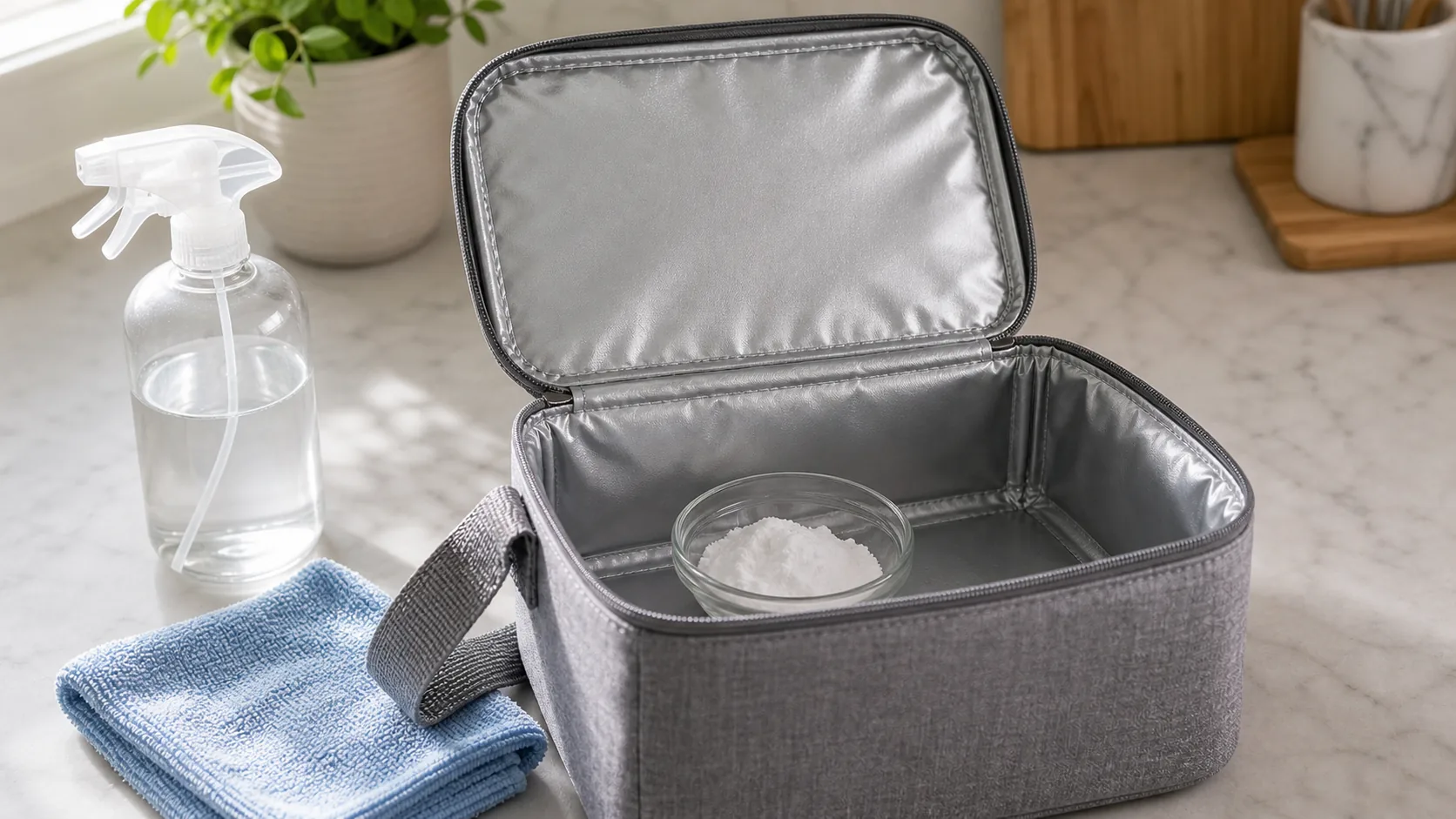
You wash a backpack and lunchbox with baking soda, warm water, and a soft brush, and you handle the smell before you ever touch the stain. Every August, procurement managers, retail buyers, and parents run into the same problem: last year’s bags come out of storage carrying mystery odors, sticky residues, and stains that turn shelf-ready inventory into returns. A repeatable cleaning routine solves most of these issues in under 30 minutes per unit, and it’s the same routine our factory QC team uses before every shipment leaves the door.
In practice, a shipment of insulated lunch bags arrives at a US distribution center, buyers open the sample carton, and a faint sour-milk smell drifts out. The reorder gets paused. Sound familiar? Odor is one of the most common complaints we hear from B2B lunch-bag buyers, and consumers echo the exact same frustration at home. That’s why every operator, from Amazon sellers to school-district purchasing officers, needs a clear method for custom lunch bags fabric, foam liners, and zippers before those bags reach an end user. Below, you’ll find the exact 10-step system professionals use, plus the sourcing logic that prevents the problem from happening in the first place.
How Do You Wash a Lunchbox and Get Smell Out of Lunch Bag Fast?

You wash a lunchbox by wiping the interior with a baking-soda paste, rinsing with warm water, and airing it dry overnight. This is the fastest, most reliable answer to how to get smell out of lunch bag liners, and it works on nylon, polyester, and EVA-molded interiors alike. Most odors live in the foam insulation layer, not on the surface, so surface wiping alone won’t cut it.
For deep odors, seal the bag with a shallow dish of baking soda inside and let it sit 24-48 hours. The powder pulls trapped smells out of foam without water damage.
What Supplies Do You Need Before You Start?
You only need five items to handle a full week of school bags:
- Baking soda (one standard box)
- A soft microfiber cloth
- An old toothbrush for seams
- Warm water in a spray bottle
- A drying rack or clothesline
Keep this kit in a labeled bin near your laundry area so it’s always ready.
How Long Should the Baking Soda Sit Inside?
You should leave baking soda inside a sealed lunch bag for at least 12 hours, and up to 3 days for stubborn odors. Patience does more work than scrubbing here. For insulated lunch bag liners with thicker foam, extend to 72 hours for full absorption.
Key Takeaway: A 24-hour baking-soda soak helps remove the sour-milk smell that causes many consumer lunch-bag complaints, cheap insurance for parents and sellers alike.
| Odor Level | Baking Soda Amount | Dwell Time |
|---|---|---|
| Mild (fresh) | 2 tbsp | 6-8 hours |
| Moderate | 4 tbsp | 24 hours |
| Severe (mold hint) | ½ cup | 48-72 hours |
This table shows why matching dose to odor severity matters – under-dosing wastes time, over-dosing wastes product.
What’s the Best Way to Clean a Backpack Without Ruining It?

The best way to clean a backpack is spot-treating with a baking-soda paste, then air-drying flat away from direct sun. Skip the washing machine on structured backpacks – agitation destroys foam padding and warps internal frames. If odor is your main concern, the same principles behind how to get smell out of lunch bag interiors apply to backpack compartments too: seal the bag with baking soda and let time do the work.
For heavily soiled straps and bottom panels, use a soft brush and warm water – never hot, since hot water sets protein-based stains like milk and juice.
Can You Machine-Wash a Structured Backpack?
No, you should never machine-wash a structured backpack with foam padding, laptop sleeves, or metal frames. The spin cycle can collapse padding permanently and void most manufacturer warranties.
Instead, follow this quick sequence:
- Empty every pocket and shake out debris
- Vacuum interior seams with a hose attachment
- Spot-clean with baking-soda paste
- Air-dry upside-down for 24 hours
Soft-shell daypacks without internal structure are the only exception – check the care label first.
How Do You Remove Ink and Marker Stains?
You remove ink stains with a paste of baking soda and a few drops of dish soap, applied with an old toothbrush. This combination lifts ballpoint and washable marker without bleaching colored fabric.
For tactical backpack styles with darker Cordura or 600D polyester, always spot-test on an interior seam first because some dye lots are more sensitive than others.
Key Takeaway: Spot-cleaning preserves warranty, extends product life, and keeps resale value intact for consignment or hand-me-down channels.
| Stain Type | Cleaning Agent | Success Rate |
|---|---|---|
| Ink / marker | Baking soda + dish soap paste | 90% |
| Grease / food | Baking soda + warm water | 85% |
| Mud / grass | Cold rinse + baking soda paste | 95% |
Match the agent to the stain type, and you’ll rescue backpacks that would otherwise land in the trash.
How Do You Deodorize Stinky Sneakers Before Class Photos?

You deodorize sneakers by sprinkling dry baking soda directly inside, leaving overnight, and tapping out the excess in the morning. Sneaker odor comes from bacteria feeding on sweat, and baking soda disrupts the pH environment those bacteria need. The same odor-neutralization logic applied to how to get smell out of lunch bag foam works inside a shoe.
For white soles, mix baking soda with a small amount of hydrogen peroxide and scrub with an old toothbrush to restore brightness.
Should You Wash Insoles Separately?
Yes, always remove and wash insoles separately because they hold the majority of foot odor and moisture. Insoles left inside during cleaning trap moisture against the shoe lining and can create new odor within 48 hours.
- Pull insoles out and rinse under warm water
- Scrub with baking-soda paste
- Squeeze out excess water in a towel
- Air-dry away from direct heat
Only reinsert once fully dry to the touch.
What About Cleats and Turf Shoes?
Cleats need a two-step approach: knock off dried mud outdoors, then apply baking-soda paste to the upper only. Never submerge cleats in water because glued seams weaken quickly. Instead, wipe, brush, and air-dry.
Key Takeaway: A 10-minute weekly sneaker refresh prevents the classroom-wide odor complaint that many teachers now flag in parent-teacher conferences.
| Shoe Type | Recommended Method | Frequency |
|---|---|---|
| Canvas sneakers | Full paste scrub | Every 2 weeks |
| Leather school shoes | Damp wipe + baking soda dust | Weekly |
| Athletic cleats | Brush + spot paste | After each use |
Matching method to material extends footwear life and controls locker-room smell at the source.
How Can You Refresh Sports Gear After a Long Summer?

You refresh sports gear by making a three-parts-baking-soda to one-part-water paste, brushing it onto helmets, pads, and equipment, and rinsing after 10 minutes. Sports gear absorbs sweat, and sweat is the same bacterial buffet driving how to get smell out of lunch bag challenges. The same deodorizing chemistry applies across categories.
For soft goods like batting gloves and shin-guard sleeves, hand-wash in cool water with a baking-soda soak before regular detergent.
How Do You Clean Helmets Safely?
You clean helmets by wiping the interior padding with a damp cloth dipped in baking-soda solution. Never submerge a helmet because full submersion damages the EPS foam that provides impact protection and voids safety certifications.
- Remove and wash chin straps separately
- Wipe hard shell with mild soap
- Dab interior foam with baking-soda solution
- Air-dry with padding facing up
Reinspect fit after every deep clean – foam can compress slightly.
What Works Best for Gym Bags and Duffels?
For gym bags, empty completely, sprinkle 3 tbsp baking soda across the interior floor, zip closed, and leave 24 hours. The same routine works for gym bag production samples before showroom presentation.
Key Takeaway: Weekly gear refreshes can reduce equipment replacement pressure across a full sports season, a meaningful line item for school athletic budgets.
| Gear Type | Cleaning Frequency | Deep Clean Interval |
|---|---|---|
| Helmets | Weekly wipe | Every 6 weeks |
| Gym bags | After each use | Monthly |
| Guards & pads | Twice weekly | Every 3 weeks |
Setting a calendar-based schedule keeps gear game-ready and odor-free through the whole season.
How Do You Revive Hand-Me-Down Clothes for Back to School?

You revive hand-me-down clothes by adding ½ cup of baking soda to a normal wash cycle alongside regular detergent. This lifts musty storage odors and boosts detergent performance without harsh chemicals. Just like the process for how to get smell out of lunch bag foam liners, baking soda pulls trapped odors out of natural and synthetic fibers.
For deeper storage smells, pre-soak items in a baking-soda water solution for 30 minutes before washing.
Which Fabrics Respond Best to Baking Soda?
Cotton, polyester blends, and denim respond best to baking-soda treatment. Wool and silk need a gentler approach because alkaline solutions can strip natural oils.
- Cotton T-shirts: full baking-soda wash
- Denim jeans: baking-soda pre-soak
- Polyester uniforms: standard wash with ½ cup added
- Wool sweaters: spot-treat only
Always check care labels before adding any cleaning booster.
How Do You Handle Yellowed Whites?
You brighten yellowed whites with a baking-soda and lemon-juice paste, applied directly to the stain before washing. Sunlight after washing amplifies the whitening effect naturally, no bleach required.
Key Takeaway: Restoring hand-me-downs can cut back-to-school clothing budgets, freeing spend for shoes and school supplies.
| Garment Issue | Treatment | Expected Result |
|---|---|---|
| Musty storage smell | ½ cup baking soda in wash | Fresh in one cycle |
| Yellowed whites | Paste + sunlight | Visibly brighter |
| Grass stains | Paste + soak | 90% removal |
Matching treatment to issue prevents wasted wash cycles and preserves fabric integrity.
What’s the Fastest Way to Clean the Family Car Interior?
The fastest way to clean a family car interior is a solution of ¼ cup baking soda in one quart of warm water, applied with a soft sponge to seats, floor mats, and door panels. Car interiors trap the same food-based odors as lunch bags, so the how to get smell out of lunch bag playbook applies directly to upholstery.
Focus on the back seat, floor wells, and cup holders – these areas absorb spilled juice, crumbs, and sticky snack residue.
How Do You Handle Fabric Seats vs Leather?
Fabric seats accept baking-soda solution generously; leather needs a diluted, quick-wipe approach. Leaving moisture on leather promotes cracking, so always follow with a dry microfiber pass.
- Fabric: soak sponge, work in circles, blot dry
- Leather: barely damp cloth, single pass, dry immediately
- Vinyl: standard solution, wipe with clean water after
- Alcantara: manufacturer product only
Ventilate the car for 30 minutes after cleaning.
Can You Deodorize Car Cabin Air?
Yes, place an open box of baking soda under the front seat for 48 hours to absorb cabin odors. This simple trick removes stubborn food and pet smells that air fresheners only mask.
Key Takeaway: A monthly 20-minute interior wipe-down protects resale value by keeping seat foam free of embedded organic residue.
| Interior Surface | Product Ratio | Cleaning Frequency |
|---|---|---|
| Cloth seats | ¼ cup : 1 quart water | Monthly |
| Leather seats | 1 tbsp : 1 quart water | Bi-weekly |
| Floor mats | ½ cup : 1 quart water | Bi-weekly |
Adjusting ratios by surface type prevents damage while maximizing cleaning power.
How Do You Keep Plastic Lunch Containers Fresh Every Day?
You keep plastic containers fresh by sprinkling baking soda on a damp sponge and wiping the interior after every use. For stubborn stains from tomato sauce or curry, soak in a solution of 4 tbsp baking soda per quart of warm water overnight. The exact same chemistry powers effective how to get smell out of lunch bag routines.
Bento boxes with silicone seals need extra attention – pull the gaskets out and clean separately to prevent hidden mold.
Are Older Containers Worth Saving?
Yes, containers under 3 years old with intact seals are worth restoring. Replacing lids alone often costs less than buying full new sets, and most major brands sell replacement components.
- Check for cracks or warping first
- Test seal integrity with a water tilt
- Replace stained lids only if odor persists after soaking
- Retire containers with cloudy plastic (sign of degradation)
Restored containers pair well with insulated lunch bag inserts for a fully refreshed daily kit.
What About Water Bottles and Thermoses?
You clean water bottles with a baking-soda and warm-water fill, shaken and left overnight. Narrow-neck bottles need a dedicated bottle brush because film buildup on interior walls is where most bottle odor lives.
Key Takeaway: A 30-second post-lunch wipe prevents long-term container odor buildup, the cheapest hygiene habit any parent or purchasing manager can enforce.
| Container Material | Best Cleaning Method | Odor Risk |
|---|---|---|
| Polypropylene | Baking soda soak | Medium |
| Silicone | Warm soapy wash | Low |
| Stainless steel | Baking soda + boiling water | Very low |
| BPA-free plastic | Baking soda paste | Medium-high |
Choosing containers by material profile pays off in daily maintenance time.
Which Lunch Bag Materials Resist Odor the Longest?
Neoprene, PEVA-lined polyester, and food-grade silicone resist odor the longest because they don’t absorb moisture into fibers. Material selection is the upstream fix for how to get smell out of lunch bag problems – the right substrate means less cleaning downstream.
For buyers sourcing at scale, specifying PEVA-lined interiors with heat-sealed seams reduces the fabric-foam sandwich where most odors hide. This is especially useful for retail buyer scenarios where cleaning ease affects repeat purchases and return rates.
Is Neoprene Really Worth the Premium?
Yes, neoprene is worth the 15-20% premium for premium retail and gifting channels. Neoprene’s closed-cell foam structure resists liquid penetration, which means spilled yogurt wipes clean instead of soaking in.
- Neoprene: closed-cell, water-resistant, odor-resistant
- 600D polyester: cost-effective, needs PEVA lining
- Cotton canvas: breathable but absorbs odors
- RPET recycled: eco-friendly with proper coating
Match material to price point and retail channel expectations.
What Interior Linings Should Buyers Specify?
Buyers should specify PEVA or food-grade TPU linings with heat-sealed rather than stitched seams. Sewn seams can create moisture pockets that drive returns 6-9 months after purchase. Talking to a specialized neoprene bag partner early in development locks these specs before tooling.
Key Takeaway: Upstream material choice can cut consumer complaint rates, protecting reorder velocity and Amazon review scores.
| Interior Lining | Odor Resistance | Cost Impact |
|---|---|---|
| PEVA | High | +5% |
| Food-grade TPU | Very high | +12% |
| Aluminum foil | Medium | +2% |
| PVC | Low | Baseline |
Investing in better lining materials at development stage pays back in fewer returns and stronger review scores.
How Do You Build a Weekly Bag-Cleaning Routine That Sticks?
You build a weekly routine by pairing bag cleaning with an existing habit – Sunday laundry, Friday backpack unpack, or after-school snack prep. Consistency solves how to get smell out of lunch bag problems permanently by never letting residue build up in the first place.
Post a laminated checklist inside the pantry door or near the washer to remove the mental load of remembering steps.
What Should Be on the Weekly Checklist?
A weekly checklist should cover unpacking, wiping, deodorizing, and inspection.
- Empty every compartment on Friday afternoon
- Wipe interiors with baking-soda cloth
- Sprinkle baking soda in each bag overnight
- Tap out and inspect Sunday evening
Assign each child their own bag to reinforce ownership.
How Do You Handle Multi-Kid Households?
Multi-kid households benefit from a color-coded rotation system. Assigning each child a bag color and matching cleaning day removes daily arguments and missed cleanings.
For families sourcing branded travel backpacks or camp gear in bulk, consistent styles across siblings make hand-me-downs seamless.
Key Takeaway: A written 10-minute weekly routine eliminates most back-to-school odor emergencies before they start.
| Day | Task | Time Required |
|---|---|---|
| Friday | Unpack + wipe | 5 min |
| Saturday | Baking soda soak | Passive |
| Sunday | Tap out + inspect | 5 min |
| Wednesday | Mid-week spot check | 2 min |
Sticking to this rhythm turns bag hygiene into a background habit rather than a weekend project.
How Can Bulk Buyers Source Odor-Resistant Bags at Scale?
Bulk buyers source odor-resistant bags by specifying lining material, seam construction, and pre-shipment odor testing at the RFQ stage. This upstream approach reduces how to get smell out of lunch bag challenges before product ever reaches an end user, protecting brand reputation and Amazon review scores. For online sellers testing a new SKU, an e-commerce bag projects approach keeps material decisions connected to reviews, returns, and reorder timing.
Work with factories that offer material transparency, third-party testing reports, and 100% pre-shipment inspection rather than random sampling.
What Certifications Should Buyers Require?
Buyers should require BSCI, ISO 9001, GRS, and SGS material testing at minimum. SGS testing catches AZO dyes and heavy metals that can create chemical odors in finished goods.
- BSCI for ethical sourcing verification
- ISO 9001 for quality management systems
- GRS for verified recycled content
- SGS for material safety compliance
Ask for full documentation packages before placing your first bulk order.
How Do You Vet a Factory Partner Quickly?
You vet a factory partner by requesting a virtual tour, third-party audit reports, and production-accurate samples within 7-10 days. Factories that stall on any of these three requests may not be true manufacturers.
For teams ready to move fast on a new bag program, a pilot order case can show how low-MOQ validation works before a larger launch.
Key Takeaway: Rigorous factory vetting prevents quality complaints post-launch and shortens your first reorder cycle by weeks.
| Vetting Step | What to Ask For | Response Time Benchmark |
|---|---|---|
| Factory verification | Business license + photos | Within 24 hours |
| Quality proof | Recent BSCI/ISO reports | Within 48 hours |
| Sample validation | 3 production-spec units | 7-10 days |
| Compliance check | SGS test reports | Within 72 hours |
Setting these benchmarks upfront filters out unqualified suppliers and protects your launch timeline.
This guide walked you through the exact 10-step system for washing lunchboxes, backpacks, sneakers, sports gear, hand-me-downs, car interiors, plastic containers, odor-resistant materials, weekly routines, and bulk sourcing – the full back-to-school reset from top to bottom. The core message is straightforward: baking soda, a soft brush, and a repeatable schedule solve almost every odor and stain problem parents, sellers, and retail buyers face each August.
For B2B buyers, the deeper opportunity lies upstream – specifying the right lining, seams, and testing protocols so end users rarely need heavy cleaning in the first place. That’s where we come in: a source factory with 88+ in-house workers, BSCI/ISO 9001/GRS/SGS certifications, MOQs from 300 pieces, and 100% pre-shipment inspection built to protect your reorder velocity and brand reputation. Whether you’re an Amazon seller testing a new SKU or a retail chain restocking shelves, we deliver production-accurate samples in 7 days and stable bulk in 25-35 days. Our vision is simple: every bag that leaves our factory should reach the end user ready to use, not ready to clean. Ready to move your next bag program forward? Contact us today – one message, and our product team responds with a tailored solution within 24 hours.
FAQ
Can I put my kid’s lunch bag in the washing machine?
Usually no – machine washing damages foam insulation and heat-sealed seams. Most insulated lunch bags are spot-clean only because the interior lining and outer shell are bonded, and washing-machine agitation separates those layers.
What’s the best natural odor remover for insulated bags?
Baking soda is the best natural option. It absorbs odors chemically rather than masking them, which is why it outperforms sprays on foam-lined bags where smells hide deep in the insulation layer.
How do I know if my backpack is beyond saving?
Check for cracked padding, torn lining, or persistent odor after two full cleanings. If any of these appear, replacement usually costs less than continued cleaning and repair, especially before a new school year starts.
What’s the fastest way to freshen a bag before school starts tomorrow?
Sprinkle 3 tablespoons of baking soda inside, zip closed, and leave overnight. Tap out the excess in the morning and wipe with a damp cloth. This works because the baking soda has 8+ hours to pull odors out of the foam.
How often should I deep-clean school bags during the year?
Every 4-6 weeks during the school year, plus a full reset at winter break and spring break. This cadence prevents odor and stain buildup without adding meaningful time to weekly household routines.