
Handbag names overlap so often that comparing products by name alone can lead to the wrong size, carry method, or construction.
Purse styles are best compared by how the bag is carried, opened, shaped, and structured. In US usage, “purse” and “handbag” are broad, overlapping terms. A style name such as tote, satchel, or hobo helps describe a product, but it does not replace dimensions or construction details.
This guide covers 12 major styles, the features that separate them, and the fields a brand buyer needs before sampling.
What Do Purse and Handbag Mean?
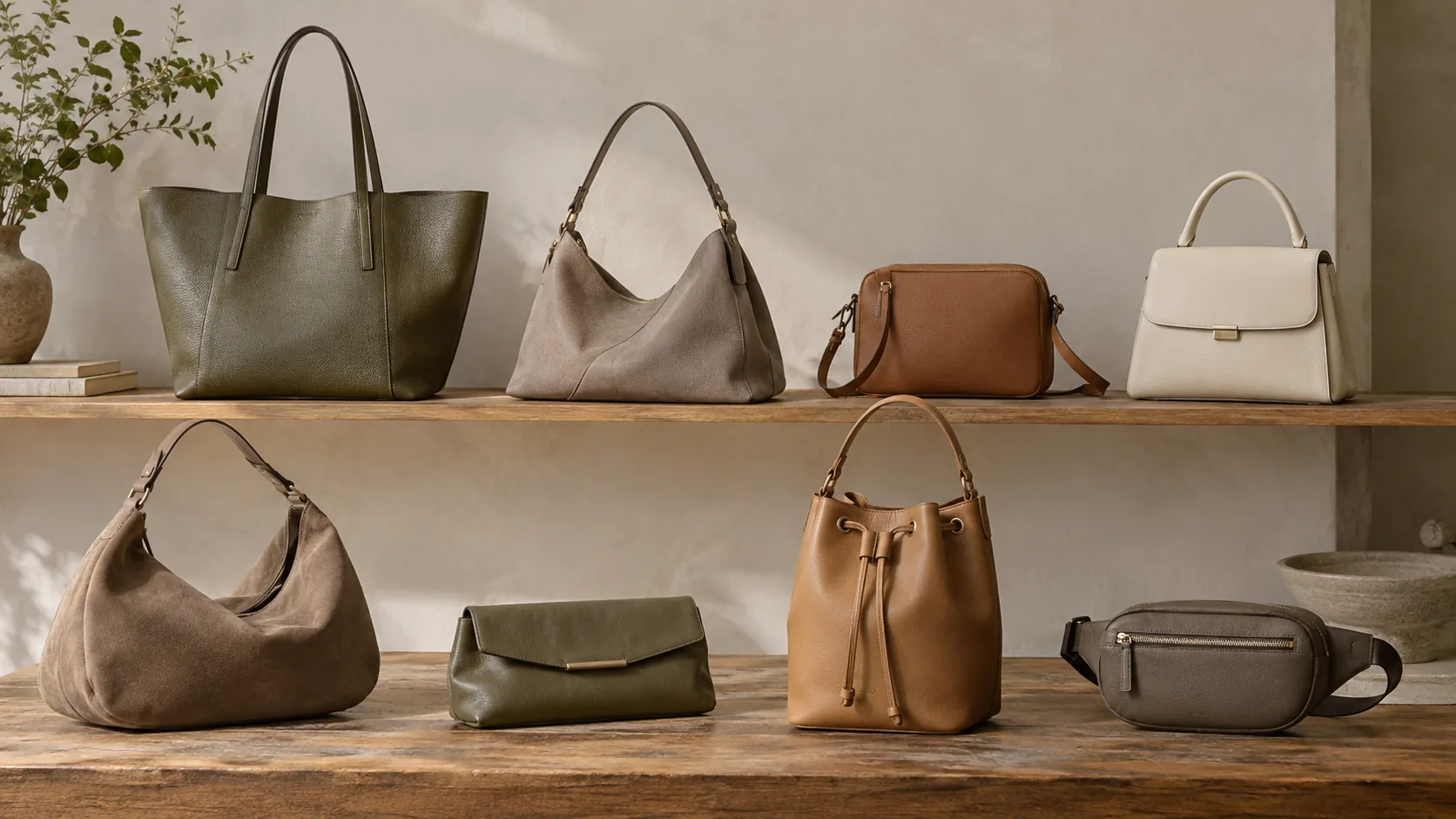
In American English, “purse” and “handbag” commonly refer to the same broad product family: a carried bag for personal items. Usage changes by region. The Cambridge Dictionary entry for purse gives “handbag” as the US meaning, while the UK meaning is a smaller container for money.
Neither term defines a fixed pattern. A purse may be held in one hand, worn on one shoulder, carried across the body, or attached at the waist. A handbag may be soft or structured, open or fully closed, compact or large enough for work items.
The words still help with audience and navigation. “Purse” is common in consumer searches in the United States. “Handbag” appears often in retail categories, product development, and fashion history. The Victoria and Albert Museum’s Bags: Inside Out material also shows how bags have changed with function, status, craft, and fashion rather than following one permanent category system.
For shopping, either word is adequate. For product development, replace the broad label with observable fields: carry method, body shape, opening, structure, dimensions, materials, and intended contents.
Which Features Separate One Handbag Style From Another?
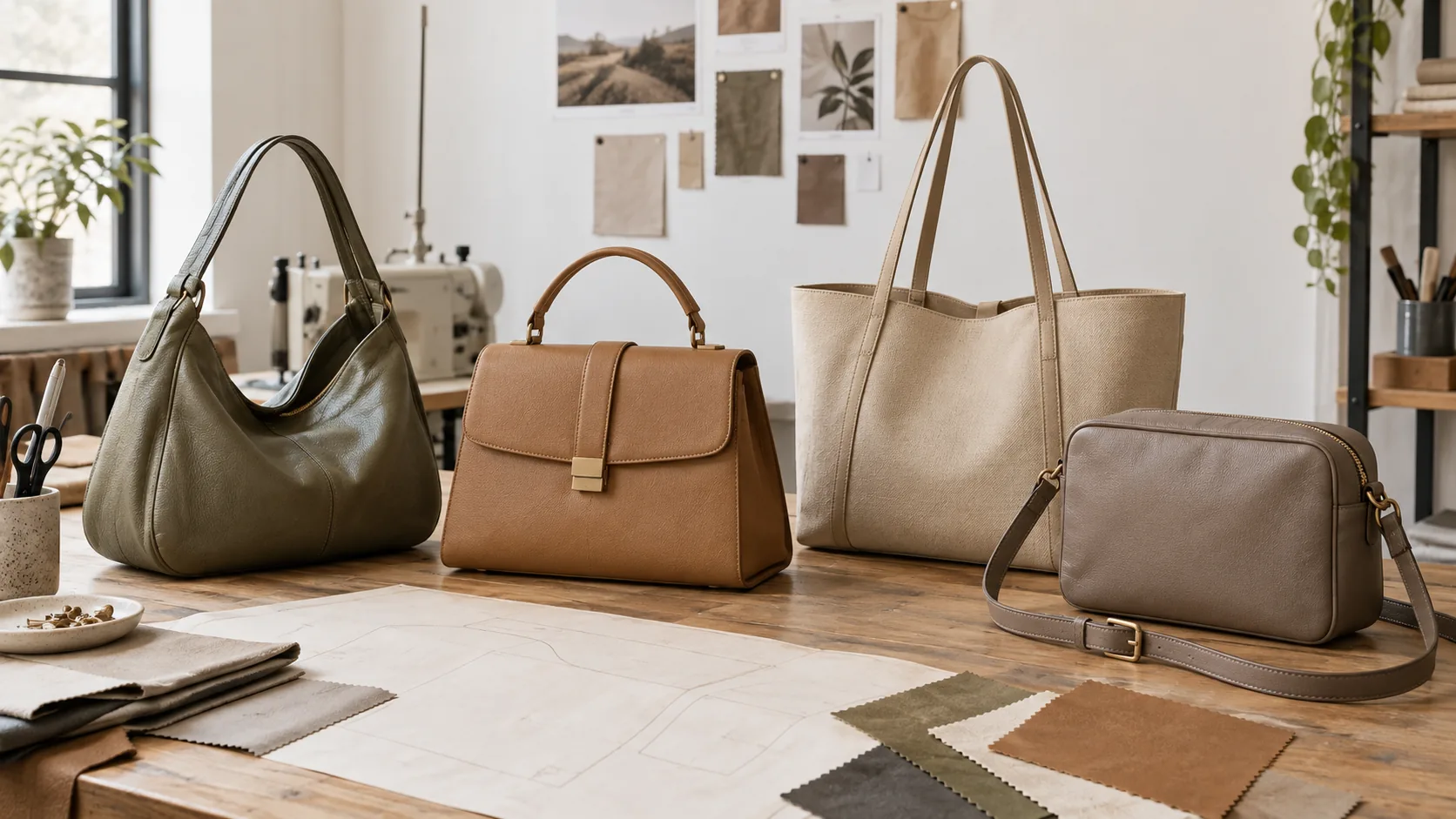
Most purse styles combine several design features. No single feature settles every name, but the following fields make useful comparisons possible.
| Design field | What to record | What it changes |
|---|---|---|
| Carry method | Hand, shoulder, crossbody, back, wrist, or waist | Body position and whether the hands remain free |
| Handle or strap | Quantity, drop, adjustment range, width, padding, detachability | Fit, wear mode, and load path |
| Body shape | Rectangular, crescent, cylindrical, trapezoid, envelope, or another defined silhouette | Appearance and usable space |
| Base and gusset | Flat body, side gusset, full gusset, defined base, or soft base | Depth, standing shape, and packing behavior |
| Opening | Open top, zipper, flap, frame, drawstring, snap, or mixed closure | Access and content retention |
| Structure | Soft, semi-structured, framed, or reinforced | Drape and shape when empty or packed |
| Intended contents | Phone, wallet, documents, tablet, laptop, clothing, or other items | Minimum internal space and pocket plan |
Retail names can describe different levels of this table. “Crossbody” describes a wear position. “Bucket” describes a body shape. “Clutch” describes how the bag is held. “Work bag” describes a use. A product can therefore belong to several categories without any label being wrong.
Handle drop and strap range need a defined measurement method. A shoulder bag with a short drop may sit close to the underarm, while a longer strap may allow the same body to work as a crossbody. Likewise, overall width does not reveal usable floor width when the sides taper sharply.
For buyers, style classification works best as a first filter. The physical fields decide whether two apparently similar bags are actually comparable.
What Are the Main Purse Styles?
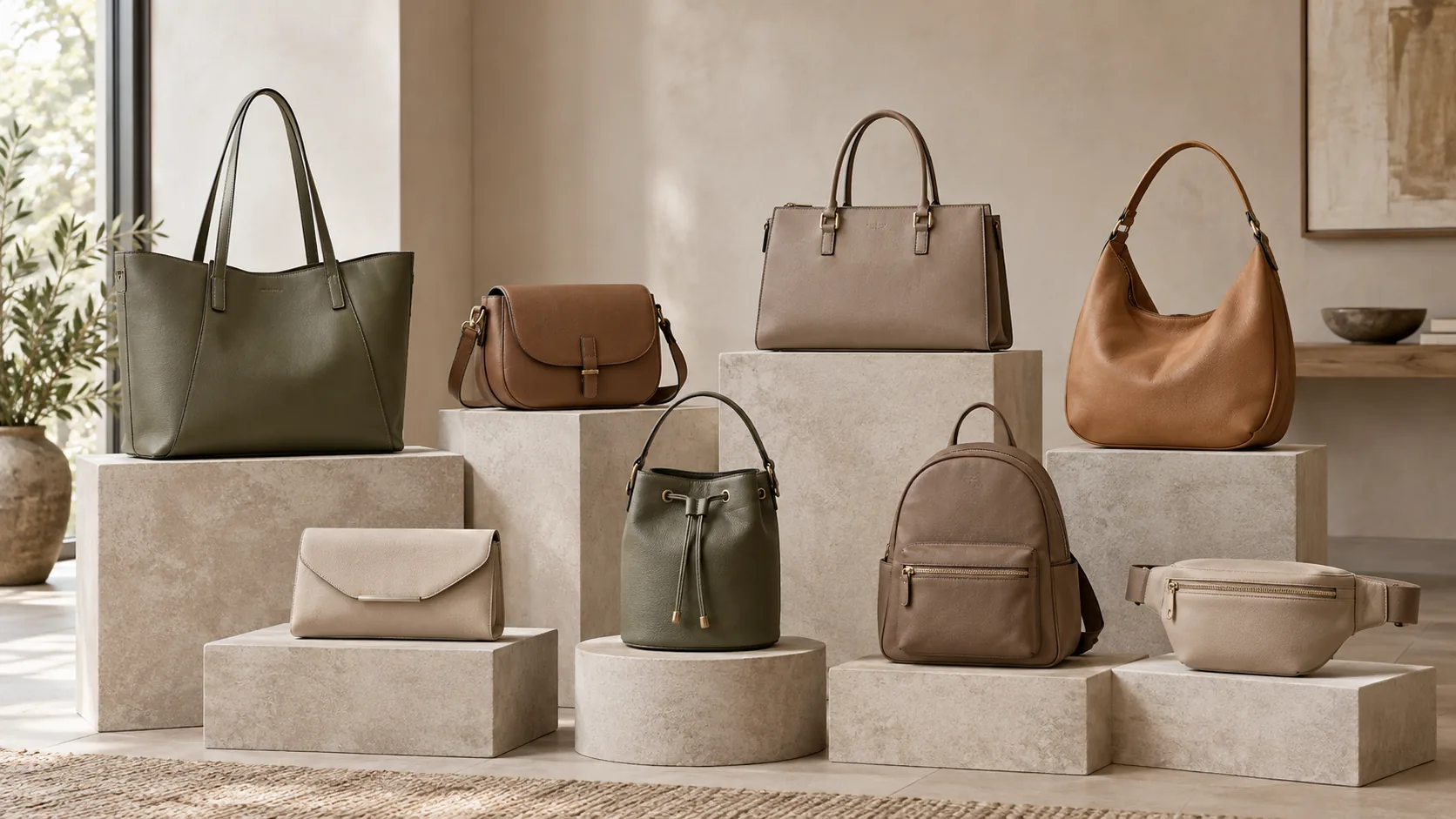
The 12 styles below cover common carry tasks without treating every retail nickname as a separate construction.
| Style | Usual carry method | Common opening | Typical body | Useful for |
|---|---|---|---|---|
| Tote | Hand or shoulder with two handles | Open top, snap, or zipper | Broad opening; soft to structured | Work items, shopping, and general carry |
| Shoulder bag | One shoulder | Zipper, flap, or snap | Many shapes and sizes | Frequent everyday access |
| Crossbody bag | Across the torso | Zipper or flap | Often compact or medium | Hands-free everyday and travel use |
| Satchel | Hand, shoulder, or convertible | Flap, frame, or zipper | Often rectangular with a defined base | Work and general personal carry |
| Top-handle bag | Hand or forearm | Frame, zipper, flap, or clasp | Often structured | Compact personal carry and formal settings |
| Hobo bag | Shoulder | Zipper or snap | Soft, curved, and slouching | Casual personal carry |
| Clutch | Hand or underarm | Flap, zipper, or frame | Small and strapless | Minimal contents and events |
| Wristlet | Wrist loop | Zipper | Small organizer body | Phone, cards, keys, or use inside a larger bag |
| Wallet-style bag | Hand, wrist, or chain strap | Snap or zipper | Flat organizer format | Cards, phone, and small essentials |
| Bucket bag | Shoulder, crossbody, or hand | Drawstring, cinch, or zipper | Tall body with a rounded or shaped base | Flexible everyday capacity |
| Backpack purse | Both shoulders | Zipper, flap, or drawstring | Compact backpack format | Hands-free personal carry |
| Belt bag | Waist or crossbody | Zipper | Small body mounted on a strap | Minimal carry and quick access |
These are working descriptions, not protected technical definitions. Hybrids are common. A satchel may add a detachable crossbody strap. A tote may include a full zipper and structured base. A belt bag may be marketed as a crossbody sling when the strap range supports that wear position.
The satchel meaning guide shows why one style name can cover a traditional shoulder bag and a modern structured handbag. Use the table to identify a starting family, then confirm the physical product.
How Do Clutches, Wallets, Shoulder Bags, and Crossbody Bags Differ?
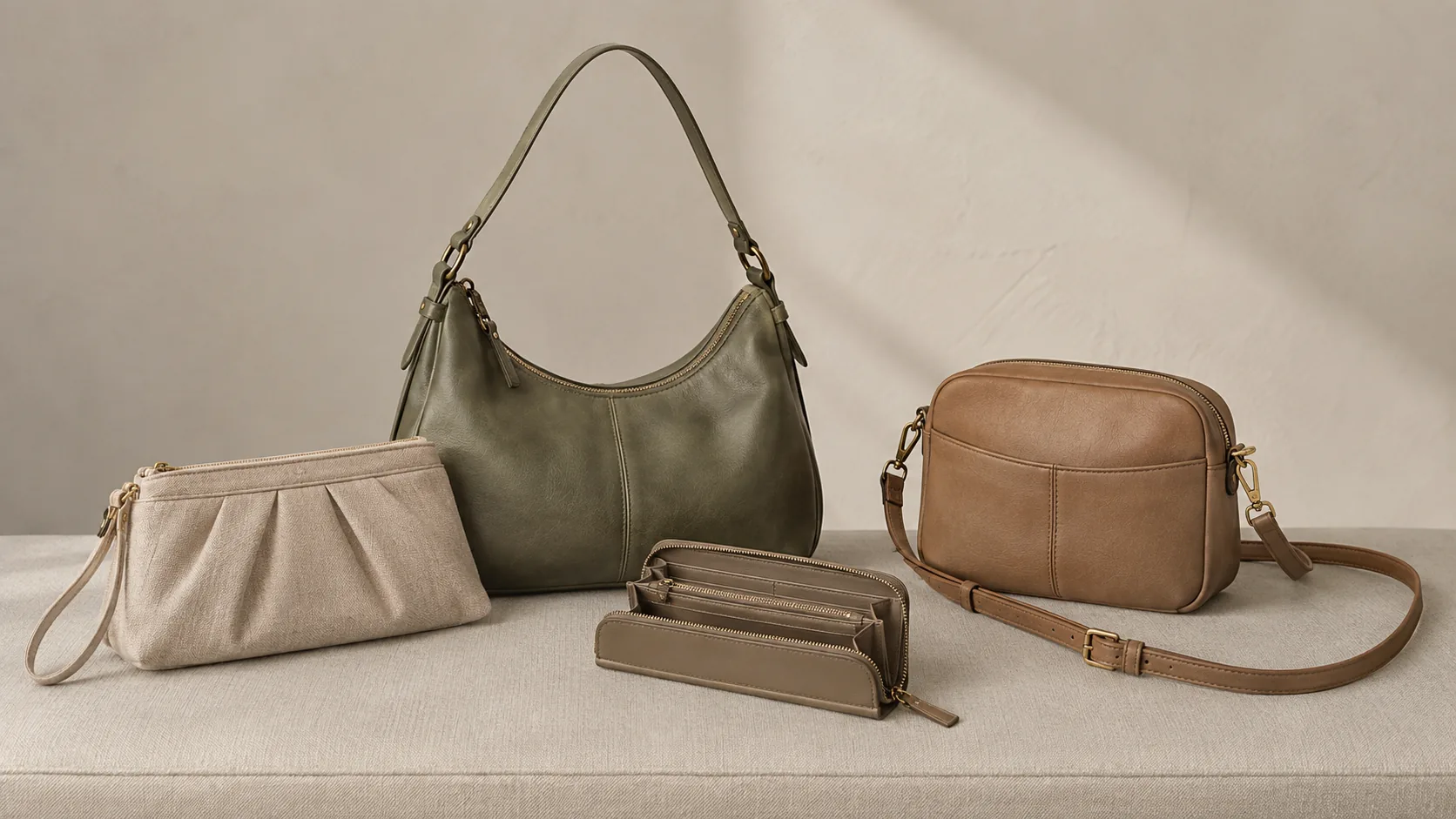
These terms overlap, but each points to a different primary feature.
- Clutch: a small bag designed mainly for hand or underarm carry. Some include a removable chain or wrist loop, but the strapless body remains the defining retail idea.
- Purse: the broad US term that may include clutches, shoulder bags, crossbody bags, wristlets, and other personal bags.
- Wallet: an organizer for cards, cash, and identification. It may sit inside another bag or gain a loop or chain for independent carry.
- Shoulder bag: a bag worn from one shoulder. The name does not settle the body shape, size, or opening.
- Crossbody bag: a bag with a strap long enough to run across the torso. It may share the same body with a shoulder-bag version.
A clutch is therefore one purse style, while “purse” names the wider family. A wallet becomes harder to separate when it has a phone compartment, wrist loop, or long chain. A shoulder bag and crossbody bag can be the same product if the strap adjusts across both wear positions.
Avoid forcing a clean boundary when the construction does not support one. Record the strap configuration, closed dimensions, usable compartments, and intended contents. Those fields explain the product more clearly than debating which retail label is correct.
How Should You Choose a Purse Style?

Start with the contents and the day, then choose the carry format. This keeps capacity, access, and comfort ahead of a style name.
| Situation | Contents and access | Carry need | Styles to compare |
|---|---|---|---|
| Short everyday errands | Phone, wallet, keys; frequent access | Hands-free | Crossbody, shoulder bag, belt bag |
| Work or commute | Documents, tablet or laptop, personal items | Hand or shoulder | Tote, satchel, structured shoulder bag |
| Event or dinner | Phone, cards, a few small items | Hand or underarm | Clutch, wristlet, compact top-handle bag |
| Travel day | Documents, phone, wallet; repeated access | Close to the body | Crossbody, belt bag, zipped shoulder bag |
| Active day | Personal items plus a few bulky extras | Both hands free | Backpack purse or a larger backpack |
| Minimal carry | Cards, phone, keys | Wrist, hand, or narrow strap | Wristlet, wallet-style bag, mini crossbody |
Check the largest object first. A bag that appears wide enough may have a smaller opening, tapered base, thick lining, or internal divider that prevents the object from fitting. Then review how often the bag will be opened and whether the closure still works when packed.
Security also comes from several fields rather than one style. A zipper, flap overlap, body position, pocket placement, and strap attachment all affect content retention. Do not treat “crossbody” or “anti-theft” as proof without checking the actual design.
Finally, test the intended wear mode. Strap length, handle clearance, body depth, and loaded shape can change whether a bag sits cleanly at the side or twists during movement. A product photo cannot answer that question.
How Do Materials and Construction Change the Same Style?
Two bags can share a style name and behave differently because structure comes from an assembly, not from the label.
A soft hobo may use a flexible shell with little hidden support. A structured tote may add interlining, foam, a stiffener, a defined base, or edge reinforcement. Those hidden layers influence the silhouette but cannot be confirmed from an exterior photo.
Key variables include:
- shell material, thickness, backing, and surface finish;
- lining and internal pocket construction;
- interlining, foam, stiffener, and base support;
- seam, edge, and binding construction;
- handle and strap anchors;
- zipper, snap, frame, drawstring, and other closure components;
- hardware attachment and reinforcement.
The same material name can also cover different constructions. A PU leather bag material needs a defined surface layer, backing, thickness, finish, and approved sample. The words “PU leather” do not establish how a finished hobo will drape or how a top-handle bag will hold its shape.
Industry insight: Terms such as flat, gusseted, box, bucket, soft, and structured describe useful design families, but they do not prove capacity, standing ability, or durability. Record the visible panel construction and every hidden support layer separately, then confirm the result on a physical sample.
Material and component evidence also need the correct level. A shell test does not prove the strength of a handle anchor, and a buckle data sheet does not prove the installed strap system. Evaluate the assembled bag against the intended contents and use conditions.
What Should Brands Specify Before Developing a Handbag?
A reference photo communicates direction. A development brief must convert that direction into measurable fields.
Use this checklist before asking for a sample:
- Body and dimensions. State length, height, depth, measurement points, body construction, base shape, gusset form, and target silhouette.
- Opening and closure. Record opening width, zipper or frame length, flap overlap, drawstring path, hardware, and the required closed state when packed.
- Handles and straps. Define quantity, drop, width, thickness, adjustment range, detachability, hardware, attachment location, and reinforcement.
- Materials and hidden layers. Identify shell, lining, interlining, foam, stiffener, base insert, backing, finish, color reference, and material code.
- Interior plan. Define the intended contents, pocket sizes, dividers, device sleeves, key attachments, and access priority.
- Branding and trim. Specify logo method, position, dimensions, hardware finish, edge treatment, stitch color, and any decorative components.
- Acceptance fields. State measurement tolerances, appearance criteria, functional checks, sample version, and the evidence needed for each claim.
Do not let “adjustable strap,” “structured body,” or “gold hardware” stand alone. An adjustable strap needs a range and measurement method. A structured body needs the layers and locations that create the shape. Hardware needs a finish reference, component code, and approved appearance sample.
Samples answer different questions. A material swatch can establish color, texture, and feel. A development sample can check proportions and assembly. A pre-production sample can freeze the approved configuration. None of them replaces the written fields that identify what was approved.
If the concept is tote-led, the custom tote bag manufacturer page shows the commercial route for material, construction, printing, and sampling. For mixed handbag formats, use the broader custom bag manufacturing process.
Frequently Asked Questions
Is a purse the same as a handbag?
Usually, yes, in American English. Both are broad terms for a carried personal bag. In British English, “purse” more often means a smaller money container. Product specifications should use physical features rather than rely on either word.
What is the difference between a clutch and a purse?
A clutch is one type of purse. It is generally small and designed for hand or underarm carry. The clutch bag guide compares six construction types and explains how the opening, contents, structure, and removable hardware affect the choice. “Purse” can also describe shoulder bags, crossbody bags, totes, satchels, and other personal bags.
Is a wallet a type of purse?
Usually not in US product naming. A wallet organizes cards and cash, while a purse carries a wider group of personal items. Wristlets and wallet-on-chain formats blur the boundary because they add independent carrying hardware.
What is the difference between a shoulder bag and a crossbody bag?
The clearest difference is wear position and strap length. A shoulder bag hangs from one shoulder. A crossbody strap runs across the torso. One adjustable design may support both modes.
Which purse style offers the most capacity?
No style name guarantees the most usable space. Large totes and bucket bags often provide broad storage, but opening width, taper, lining, dividers, and base construction can reduce usable capacity. Compare the actual measurements and intended contents.
Can the same bag have more than one style name?
Yes. A structured bag with top handles and a detachable long strap may be listed as a satchel, top-handle bag, shoulder bag, or crossbody. Record the physical configuration and use the retail names as navigation terms.
Turn a Purse Style Into a Product Brief
Choose the closest style family, then write the body construction, opening, dimensions, carry hardware, materials, hidden support, interior plan, branding, and acceptance fields. Attach reference images to explain visual direction, but mark which details are references and which are requirements.
The resulting brief gives the sample maker defined decisions to follow and gives the buyer a consistent basis for reviewing the finished bag.