
To understand how to choose a travel backpack for women, start with torso fit, shoulder-strap shape, hip-belt support, capacity, opening style, pocket layout, security, suspension, and weather protection. A backpack that looks practical in photos can still cause shoulder pain, neck pressure, and poor balance if the frame is too long or the straps sit too wide. For buyers, retailers, and product teams, this guide explains how to choose a travel backpack for women with clear checks that support both comfortable travel and smarter bag design.
Why do women need gender-specific backpacks?
Women need gender-specific backpacks because how to choose a travel backpack for women depends on anatomy, not only color or capacity. Many women have shorter torso lengths, narrower shoulder spacing, and different hip angles than the generic unisex frame assumes. A poorly matched pack can shift weight onto the shoulders and create rubbing during long airport walks or city transfers.
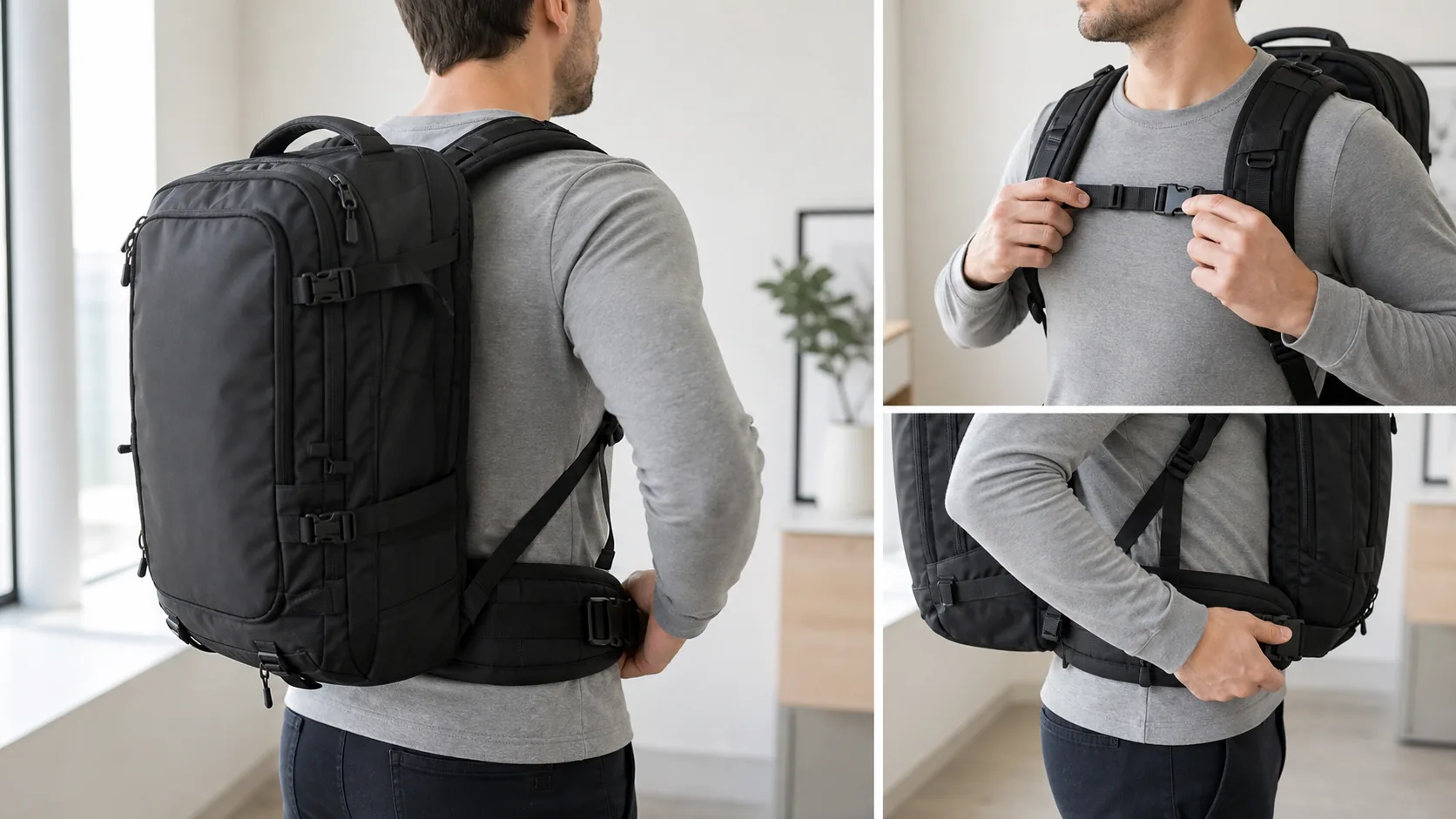
Why do unisex frames cause shoulder strain?
Unisex frames often use wider shoulder spacing and longer back panels. If the frame is too long, the hip belt may sit too low while the shoulder straps pull downward.
- Wide straps can slide outward.
- Long frames can hit the head or lower back.
- Straight hip belts may not wrap the pelvis well.
What ergonomic details matter most?
Look for S-shaped shoulder straps, narrower strap placement, a supportive hip belt, and an adjustable harness. These details help the load sit close to the body without pinching the neck or chest.
Key Takeaway: A women's travel backpack should fit the body before it fits the packing list.
| Fit Challenge | Common Problem | Better Design |
|---|---|---|
| Short torso | Frame sits too low | Adjustable back length |
| Narrow shoulders | Strap slippage | Closer S-shaped straps |
| Curved hips | Belt pressure | Contoured hip belt |
For private-label teams, retail buyer scenarios often show why fit details matter in product positioning, returns, and repeat purchases.
How do you measure torso length correctly?
You measure torso length correctly by checking the distance from the C7 vertebra at the base of the neck to the top of the hip bones, which is essential when learning how to choose a travel backpack for women. Height alone is not enough because two women of the same height can need different frame sizes.
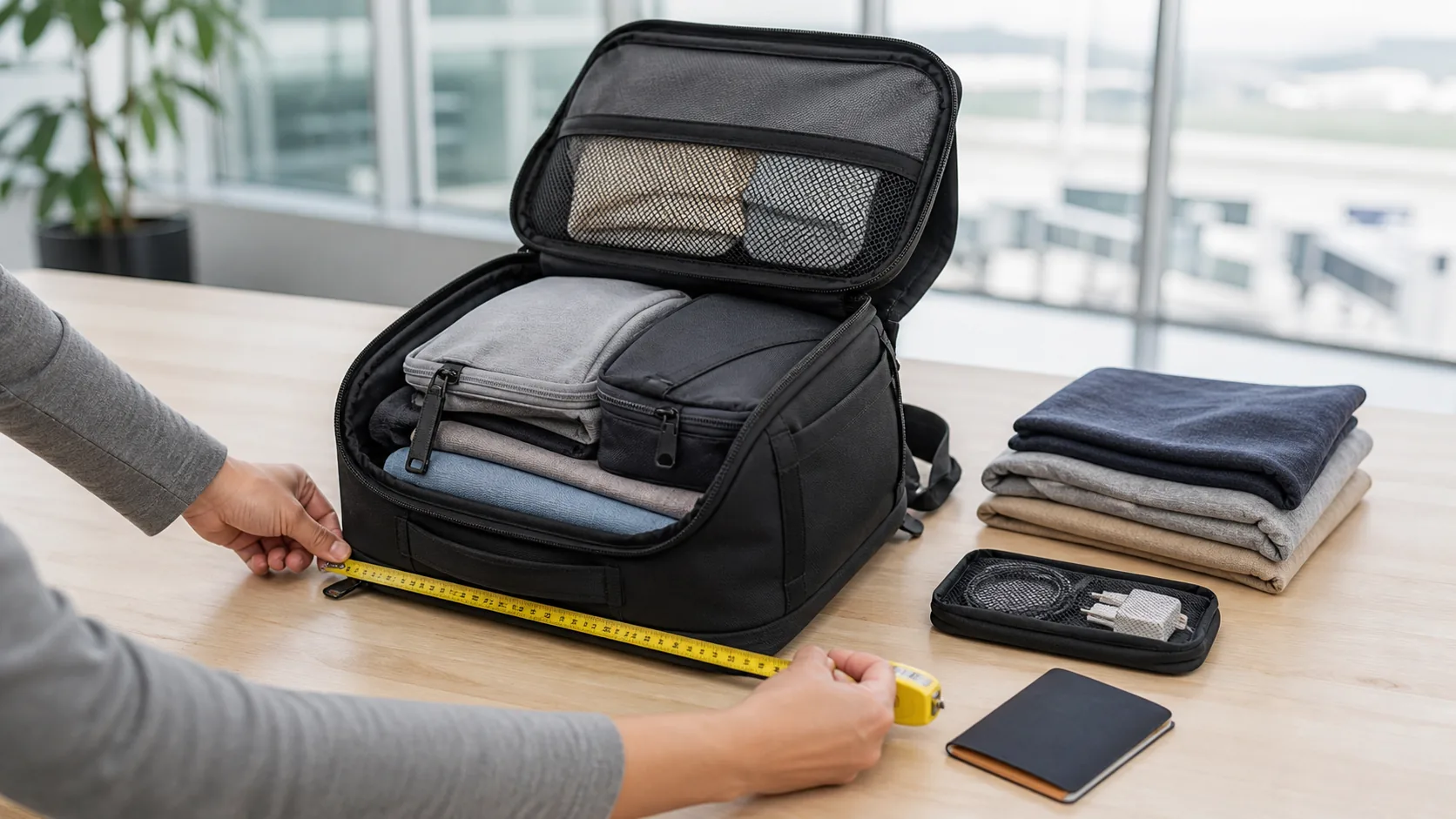
How do you locate the measuring points?
Tilt the head forward and find the bony point at the base of the neck. Then place hands on the top of the hip bones and imagine a line across the back.
- Measure along the spine's natural curve.
- Compare the number with the brand's size chart.
- Recheck after adjusting the harness.
Where should the hip belt sit?
The padded wings should wrap around the top of the hip bones, not the stomach or upper thighs. When tightened, the belt should carry much of the load without creating sharp pressure.
Key Takeaway: Torso length and hip-belt placement decide whether the pack carries on the hips or hangs from the shoulders.
| Measurement | What to Check | Why It Matters |
|---|---|---|
| Torso span | Neck base to hip crest | Matches frame size |
| Hip belt | Around upper hips | Transfers weight |
| Shoulder width | Strap position | Prevents rubbing |
This simple fitting process should happen before comparing colors, pocket count, or fabric.
What backpack size fits your trip?
The right backpack size fits your trip when capacity, airline limits, and physical comfort all line up, which is a practical part of how to choose a travel backpack for women. A larger bag may look useful, but unused volume invites overpacking and extra strain.
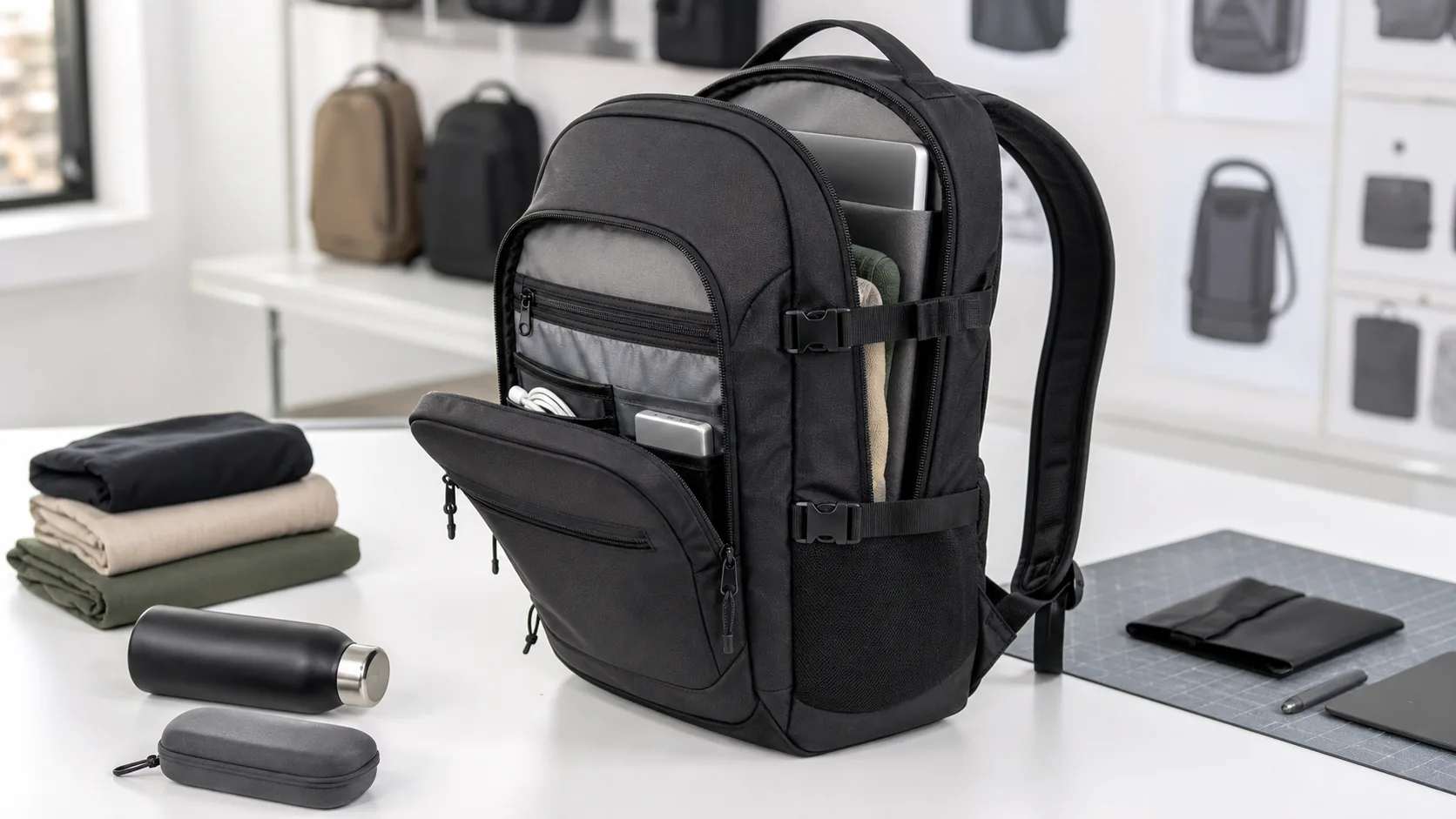
Is a 35L to 40L backpack enough?
A 35L to 40L backpack works well for carry-on travel, warm climates, short trips, and efficient packers. It helps reduce waiting time and keeps walking days easier.
- Easier to lift into overhead bins.
- Better for stairs and public transit.
- Forces a cleaner packing list.
When does a larger pack make sense?
A 50L to 70L backpack may make sense for cold weather, multi-climate trips, outdoor gear, or checked-bag travel. The tradeoff is heavier carry weight and more airline restrictions.
Key Takeaway: Choose the smallest capacity that supports the real trip, not the largest bag you can carry.
| Trip Type | Useful Capacity | Best Fit |
|---|---|---|
| Weekend or city trip | 30L-40L | Carry-on speed |
| Multi-week travel | 40L-55L | Flexible packing |
| Cold or outdoor route | 55L-70L | Checked capacity |
For online brands, clear capacity photos in e-commerce bag projects can reduce buyer confusion by showing how a women's pack looks when realistically loaded.
Why is front-loading access better?
Front-loading access is better because how to choose a travel backpack for women should include how quickly the traveler can see, pack, and repack items. A clamshell or U-shaped opening works more like luggage, while deep top-loading packs can bury clothing, chargers, and toiletries.
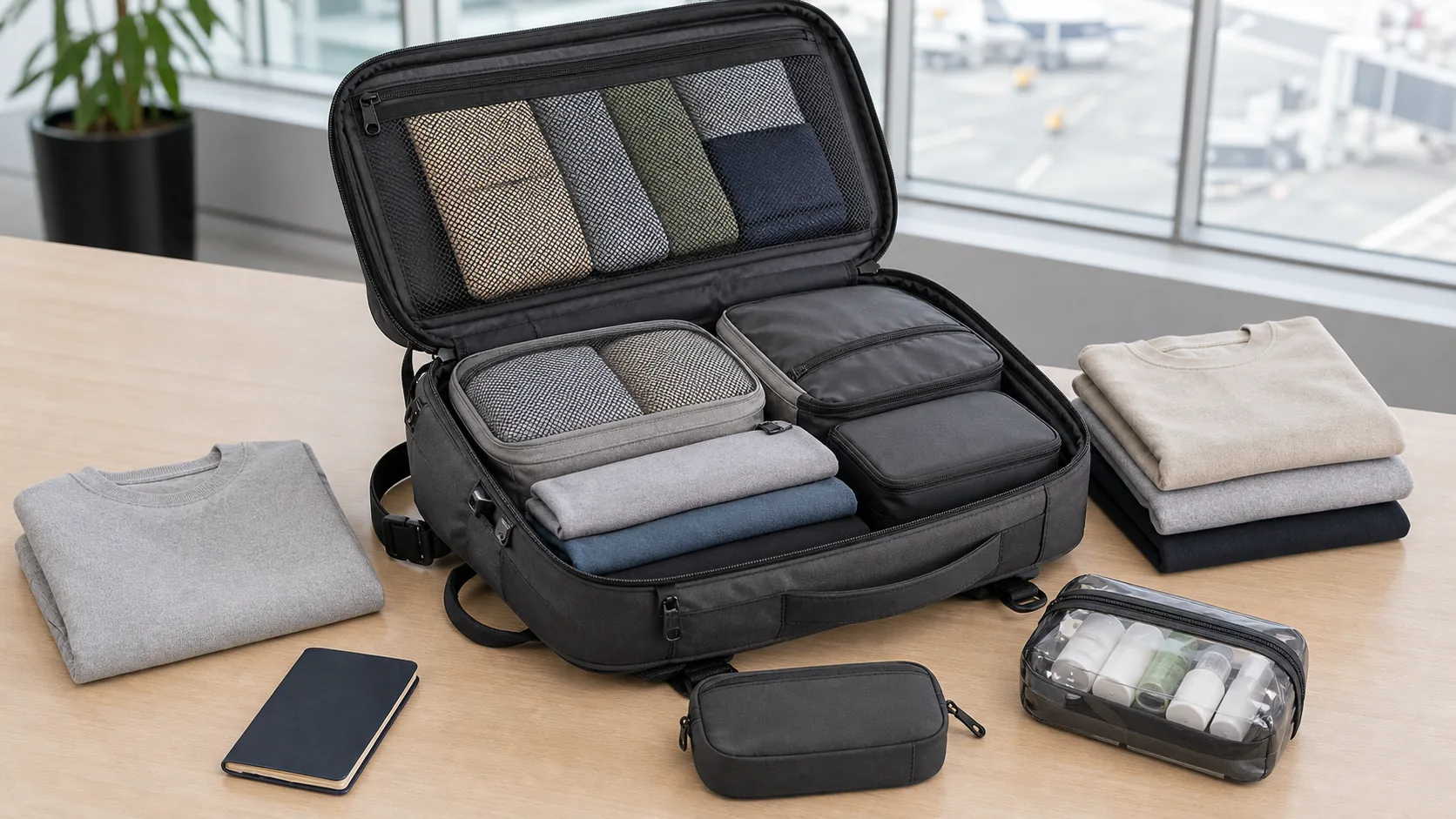
Why does suitcase-style opening help?
Suitcase-style opening lets packing cubes slide in like drawers. It also helps travelers find one item without emptying the whole bag onto a bed, hostel floor, or airport bench.
- Better visibility.
- Faster repacking.
- Less wrinkling from digging.
How do compression straps help?
Compression straps stabilize the load and take pressure off the zipper track. Internal straps hold clothing flat, while external straps reduce the pack profile.
Key Takeaway: A front-loading backpack saves time because the interior stays visible and organized.
| Opening Type | Travel Experience | Main Risk |
|---|---|---|
| Top-loading | Good for trails | Hard to reach bottom items |
| Front-loading | Good for travel | Needs strong zippers |
| Hybrid access | Flexible use | Can add weight |
A front-loading layout also gives product teams a clearer structure for pocket mapping, zipper testing, and sample evaluation.
Which pocket layout works best on the road?
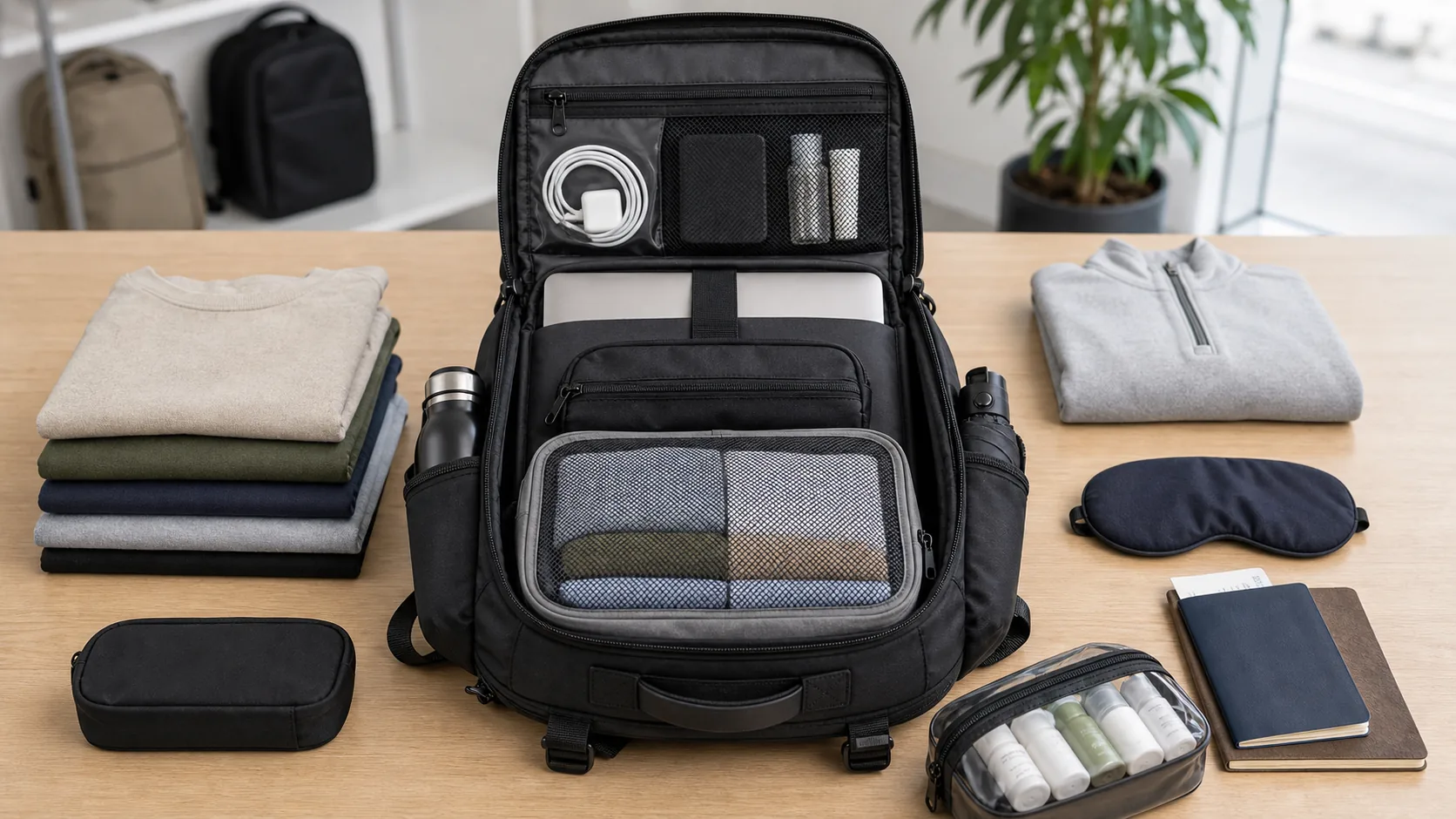
The best pocket layout supports quick access, clean storage, and secure valuables, all of which matter in how to choose a travel backpack for women. A good travel pack should keep documents, water, laundry, and tech separate enough that the user does not need to unpack in public.
Where should quick-access essentials go?
Quick-access essentials belong in top, side, hip-belt, or body-side pockets depending on security needs. Passports and cash should be harder for strangers to reach than snacks or a water bottle.
- Side pocket: water bottle or umbrella.
- Top pocket: sunglasses, charger, lip balm.
- Inner security pocket: passport, card, backup cash.
Is a laundry or shoe compartment useful?
Yes, a separated lower pocket can keep shoes, damp clothes, or used laundry away from clean outfits. This matters on long trips where odor and moisture can spread quickly.
Key Takeaway: Pocket layout should match travel behavior, not simply add more compartments.
| Pocket Type | Best Use | Design Check |
|---|---|---|
| Side sleeve | Bottle or umbrella | Secure stretch |
| Hip pocket | Small daily items | Easy reach |
| Lower pocket | Shoes or laundry | Moisture barrier |
For women's travel packs sold on marketplaces, a fast replenishment project can be a useful reminder that clear feature planning and reliable production timing both affect launch success.
What safety features should you look for?
You should look for safety features that protect documents, cards, and electronics when deciding how to choose a travel backpack for women. Security matters for solo travel, crowded trains, hostel storage, airport queues, and city walking routes.
Why are lockable zippers helpful?
Lockable zipper pulls make quick opening harder in crowded places. They are not a complete security system, but they reduce casual access and make the traveler more aware of the bag.
- Interlocking zipper pulls.
- Strong zipper tracks.
- Flap coverage over exposed pulls.
How do hidden pockets help?
Hidden pockets keep passports, backup cash, and emergency cards away from easy reach. Body-side pockets are especially useful because they sit against the wearer while the pack is carried.
Key Takeaway: Security features should slow down opportunistic theft without making daily access inconvenient.
| Feature | Use Case | Practical Benefit |
|---|---|---|
| Lockable pulls | Trains and hostels | Slower access |
| Hidden pocket | Passport and cash | Better concealment |
| Strap cover | Checked baggage | Less snagging |
Security should feel integrated into the backpack, not added as bulky hardware that makes the bag harder to use.
How does suspension prevent shoulder pain?
Suspension prevents shoulder pain by shifting weight toward the hips and keeping the pack close to the spine, which is central to how to choose a travel backpack for women. A supportive system includes shoulder straps, load lifters, sternum strap, hip belt, frame sheet, and back padding working together.
Why are load lifters important?
Load lifters pull the top of the backpack closer to the upper back. When adjusted well, they reduce backward pull and help the traveler stand more upright.
- Adjust after the hip belt is tightened.
- Keep the pack close without crushing the shoulders.
- Recheck after walking for a few minutes.
What should the sternum strap do?
The sternum strap keeps shoulder straps from sliding outward. It should sit comfortably across the upper chest and should not restrict breathing.
Key Takeaway: Good suspension makes a loaded pack feel controlled instead of hanging from the shoulders.
| Suspension Part | Function | Fit Goal |
|---|---|---|
| Hip belt | Transfers load | Wraps upper hips |
| Load lifters | Pulls pack closer | Reduces backward drag |
| Sternum strap | Centers straps | Comfortable breathing |
Fit testing should be done with weight inside the pack because an empty backpack can hide problems.
Should you choose carry-on or checked size?
You should choose carry-on or checked size based on how you travel, because how to choose a travel backpack for women changes when airline rules, liquids, cold-weather clothing, and walking distance enter the decision. Carry-on packs move faster, while checked packs support more gear.
What are the benefits of carry-on travel?
Carry-on travel is faster and lighter. It can also reduce lost luggage risk because the backpack stays with the traveler during flights.
- Faster airport exit.
- Lower total weight.
- Easier movement on stairs and streets.
When is checking a backpack better?
Checking a backpack may be better for full-size toiletries, winter gear, boots, or long outdoor routes. If checking the bag, use strap covers or tuck-away harness panels to reduce conveyor damage.
Key Takeaway: Carry-on is usually better for mobility, while checked size is better for bulky or specialized gear.
| Choice | Best For | Tradeoff |
|---|---|---|
| Carry-on | Speed and light travel | Less space |
| Checked | Bulky gear | More waiting |
| Personal item | Minimal trips | Very limited capacity |
The right size is the one the traveler can manage comfortably after the bag is fully packed.
What materials and manufacturing details matter?
Materials and manufacturing details matter because how to choose a travel backpack for women is also about durability, weather resistance, and long-term product value. Strong fabric, reliable zippers, reinforced stress points, and clean stitching all affect whether the pack stays comfortable after repeated trips.
Is water-resistant nylon enough?
Water-resistant nylon can handle light rain, but coatings, zipper type, and seam construction decide how well the pack performs in longer wet conditions.
- DWR treatment helps rain bead off.
- PU or TPU coating improves resistance.
- A rain cover adds protection in heavy weather.
How can OEM design improve fit?
OEM design can improve fit by adjusting torso lengths, strap curves, hip-belt shapes, pocket placement, and fabric choices for a specific customer group. For travel backpack programs, ZWbags can support samples, material selection, feature planning, and production checks. If your brand needs women's travel backpacks with better fit and retail-ready details, contact us today to discuss materials, compartments, samples, and production.
Key Takeaway: Good materials protect the contents, while good manufacturing protects the user's comfort and the brand's reputation.
| Detail | What to Check | Why It Matters |
|---|---|---|
| Fabric | Denier, coating, hand feel | Durability and weather use |
| Zippers | Smooth pull, lockable heads | Daily reliability |
| Stitching | Reinforced stress points | Longer service life |
This is where design intent, supplier capability, and user comfort meet.
What FAQs clarify how to choose a travel backpack for women?
These FAQs clarify how to choose a travel backpack for women by covering school backpacks, cleaning, frame length, carry-on size, and hip-belt fit. Use them as a final check before comparing models or approving a product sample.
Can I use a regular school backpack for travel?
No, not for heavy or long-distance travel. A school backpack usually lacks a supportive hip belt, frame structure, and travel-ready organization.
What's the best way to clean a travel backpack?
Hand clean it with cool water and mild soap. Avoid harsh machine washing or high heat because these can damage coatings, foam, and zipper performance.
How do I know if the frame is too long?
The frame may be too long if it hits the back of your head, sits below the hips, or prevents the hip belt from wrapping the upper hip bones correctly.
Can a 50L backpack be a carry-on?
Usually no. Some soft 50L packs can compress, but many exceed airline carry-on limits after packing, especially on budget flights.
How should the hip belt feel?
The hip belt should feel snug around the upper hip bones without digging into the stomach or sliding onto the thighs.