
To support your specific fitness routine, a standard gym bag should generally have a capacity of 30 to 50 liters to fit your necessary workout gear. You struggle to pack your workout gear because your bag is either overflowing with messy clothes or awkwardly sagging and half-empty. Carrying your shoes, clothes, and water bottles should not feel like a complex engineering puzzle every single day before you head to the fitness center.
Look: finding exactly what size should a gym bag be can streamline your preparation, protect your training accessories, and keep you focused on hitting your training targets. For brands developing OEM gym bags, the same size decision affects comfort, pocket layout, material stress, and repeat purchase value. By selecting a bag that matches your exact daily routine, you can make your transitions easier.
Why does your gym bag size actually matter?
Your gym bag size actually matters because it directly dictates how comfortably and safely you can transport your daily athletic equipment. When deciding what size should a gym bag be, you must evaluate both your physical gear requirements and your daily transit methods. The broader sports bag market context also shows why size, ventilation, and clean-dirty separation matter for active users. A bag that is too small leads to crammed, wrinkled items, while an oversized bag becomes a clumsy burden. Selecting the correct volume streamlines your pre-workout prep and keeps you organized.
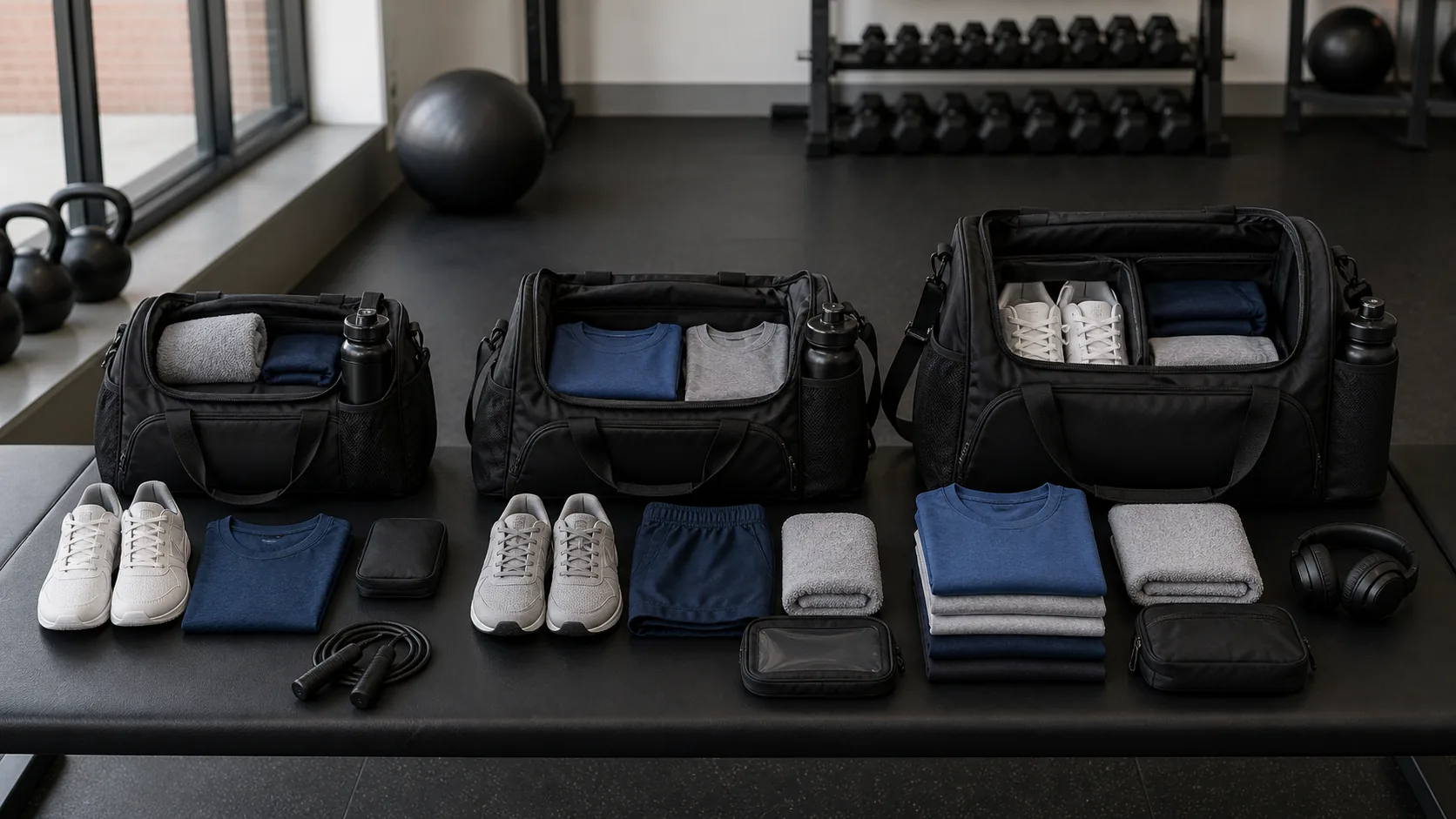
Additionally, an appropriately scaled bag protects expensive specialized accessories from premature wear. Having designated space for items ensures they do not rub or compress during transit. This small adjustment can transform your daily workout preparation from a chore into a smooth routine.
How size impacts your workout efficiency
Think about it: a properly sized bag saves you valuable time when transitioning from your locker to the training floor. If you do not have to dig through a chaotic mess of clothing and gear, your focus remains entirely on your performance. Organizing your gear helps you maintain your mental focus before you step onto the training floor.
Look: when you carry a bag that is organized, your mind is clearer, and your pre-workout anxiety drops significantly. You can focus on your routine rather than searching for missing accessories. This smooth transition helps you make the most of every minute in the fitness center.
- Saves you time finding keys, grips, or straps.
- Keeps clean and dirty items separate.
- Protects delicate electronics from water leaks.
The hidden cost of packing a bag too small
Here is the thing: compressing wet clothes and dirty shoes into a tiny space is a recipe for terrible odors and fabric damage. You will end up replacing both your workout clothes and your bag much sooner than you think. Overstuffing also places immense strain on the stitching and zipper teeth.
But wait, there's more: forcing shoes against clean shirts will constantly ruin your clean clothing before you even wear it. You deserve a better transition experience when you prepare for your post-workout meetings. Key Takeaway: Choosing the right bag size protects your fitness gear and significantly reduces transition times before and after your workouts.
- Traps moisture and creates mold risks.
- Stretches zippers beyond their structural limits.
- Forces you to leave valuable recovery tools behind.
| Capacity Choice | Storage Outcome | Durability Impact |
|---|---|---|
| Too Small | Crammed gear, poor ventilation | Strained zippers, structural tears |
| Correctly Sized | Organized pockets, fresh apparel | Long-lasting fabric, easy transit |
Analyzing these foundational concepts helps you transition smoothly to identifying the ideal dimensions for everyday usage.
What size should a gym bag be for daily use?
For daily use, a gym bag should ideally be between 30 and 40 liters in capacity to balance carrying space with urban mobility. Determining what size should a gym bag be for daily commutes requires you to evaluate how much space your workplace allows. This specific volume balance ensures you can easily fit your bag into standard locker rooms and under office desks. Having a compact design prevents you from feeling weighed down during your morning subway ride or walk.
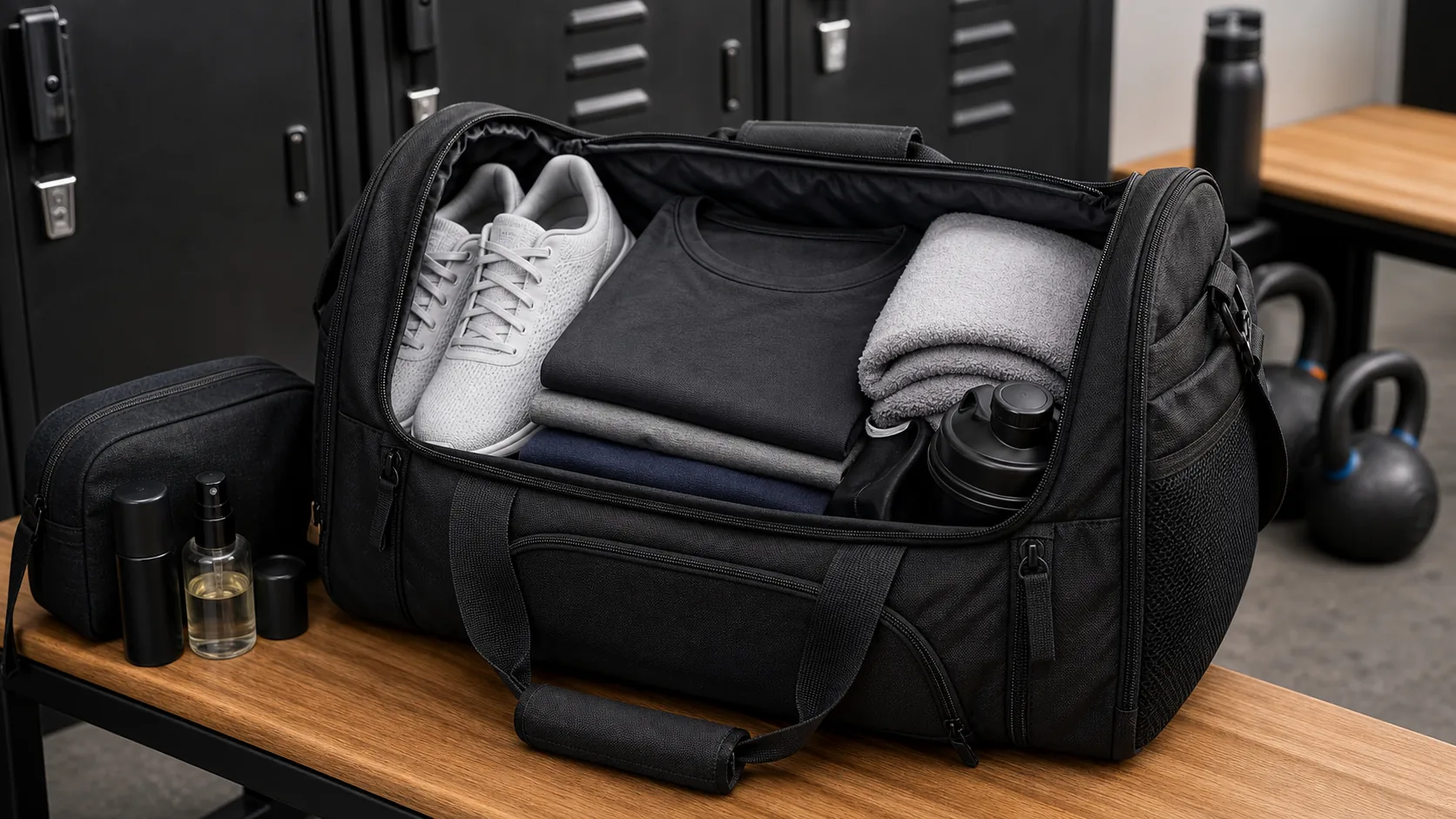
A daily-use carrier in this class fits smoothly into modern active lifestyles. It prevents you from feeling weighed down during rush hour transits. Additionally, it sits securely on car seats or public transportation floorboards.
Is a 30-liter capacity the sweet spot?
Look: a 30-liter bag offers the strong balance of volume and portability for the vast majority of active lifestyle enthusiasts. You can comfortably pack all your daily training necessarys without carrying empty, sagging fabric. This keeps your appearance neat and organized when walking into the fitness center.
Think about it: avoiding excessive empty space prevents your gear from shifting and sliding around while you walk. This compact size also fits beautifully into even the smallest fitness center locker cabins. It makes your daily commute much more enjoyable and hassle-free.
- Fits one pair of athletic shoes.
- Holds a full set of dry changing clothes.
- Accommodates standard shaker bottles easily.
How to fit your daily gear without bulk
But wait, there's more: you do not need to carry a bulky duffel to be fully prepared for your daily training sessions. By utilizing smart packing techniques like rolling your shirts, you can maximize every cubic inch of your chosen pack. This keeps your appearance clean and professional when walking into business meetings.
Here is the thing: staying streamlined is all about selecting a bag with clever pocket placement. It allows you to organize your gear without adding physical bulk to your shoulders. Key Takeaway: A 30-liter bag allows you to pack your necessary training items cleanly without carrying excess weight or bulky fabric.
- Roll shirts tightly to save internal space.
- Use external water bottle pockets.
- Place flat sandals on the bottom.
| Volume Option | Best Daily Setup | Daily Convenience |
|---|---|---|
| 30 Liters | Gym shoes, light change, shaker | Extremely compact, fits small lockers |
| 40 Liters | Shoes, heavier apparel, shower kit | Extra breathing room, separate pockets |
With daily commute dimensions established, your specific training discipline will further refine your volume requirements.
How does sport type change your volume needs?
Your sport type changes your volume needs because different fitness activities require vastly different physical tools, accessories, and gear profiles. When analyzing what size should a gym bag be for a specific discipline, you must calculate the physical footprint of your largest training tools. For new retail lines, a small pilot order case can help confirm whether customers prefer compact daily bags or larger sport-specific duffels before scaling inventory. For example, swimming gear takes up far less physical space than powerlifting equipment or competitive boxing gear. Matching your volume to your sport prevents you from buying an inadequate setup.
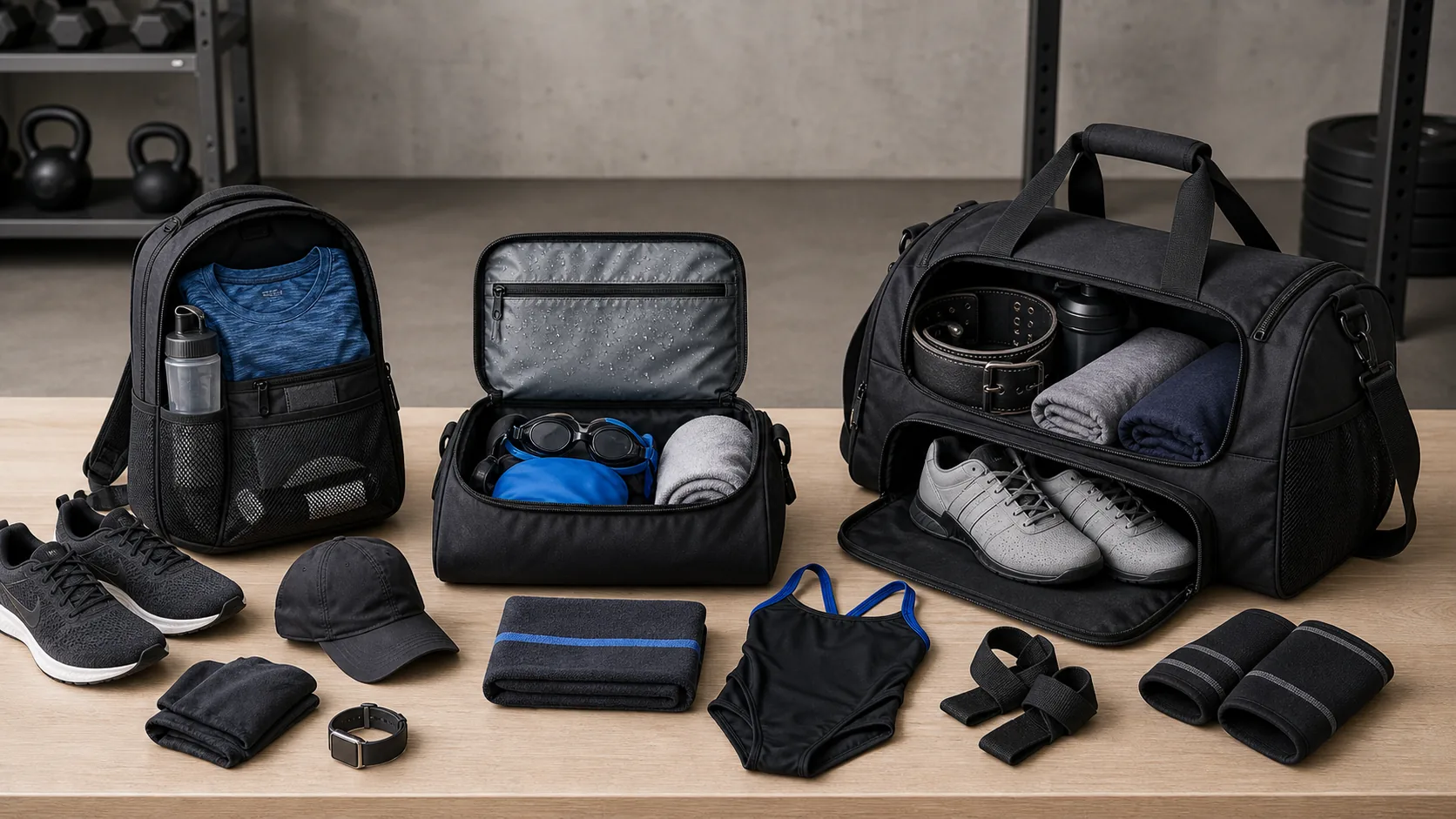
An improper match leads to immediate frustration when your gear spills out of your bag. By choosing sport-specific designs, you ensure every item has a secure place. This tailored approach dramatically improves your training prep efficiency.
What gear must heavy lifters pack daily?
Here is the thing: competitive strength athletes and powerlifters carry incredibly bulky accessories that quickly overwhelm standard backpacks. You have to pack heavy leather belts, specialized flat squat shoes, knee sleeves, and personal chalk containers. Trying to force these items into a tiny bag is a guaranteed way to split your zippers.
Think about it: your lifting gear requires heavy-duty structures and wide main compartments to remain organized. It ensures that your valuable training equipment does not get damaged during transit. This professional setup keeps you focused on hitting your training targets.
- Accommodates rigid 13mm leather lifting belts.
- Stores dedicated deadlift and squat shoes securely.
- Holds chalk bags away from clean clothes.
- Protects thick neoprene sleeves from crushing.
Why casual runners need minimalist bags
Look: if your workout routine consists of casual road running or treadmill sessions, you can easily opt for a highly minimalist bag design. You do not need the heavy reinforcement or high-volume capacities that strength athletes rely on daily. Carrying a light, flexible bag saves your energy and speeds up your active transitions.
But wait, there's more: a simple drawstring bag or compact backpack is incredibly easy to store and carry. It minimizes physical weight on your shoulders and streamlines your journey. Key Takeaway: Tailoring your bag's volume to your sport's gear requirements prevents physical strain and zipper damage.
- Holds a single light windbreaker jacket.
- Secures your house keys and smartphone safely.
- Carries a compact hydration flask effortlessly.
| Workout Category | Core Equipment Carried | Recommended Volume Range |
|---|---|---|
| Strength Training | Belts, sleeves, lifting shoes | 45 to 55 Liters |
| Cardio & Light Fitness | Shoes, towel, water bottle | 20 to 30 Liters |
Evaluating these sport-specific needs raises the question of whether a compact minimalist setup can work for you.
Is a 40-liter gym bag too big for the office?
A 40-liter gym bag is generally not too big for the office, provided it features a structured, professional design with a clean, neutral aesthetic. Determining what size should a gym bag be for professional workplaces involves balancing your packing needs with executive office etiquette. A sleek, well-organized duffel or convertible backpack will blend beautifully into corporate environments. However, unstructured, brightly colored bags can look messy and out of place in a boardroom.
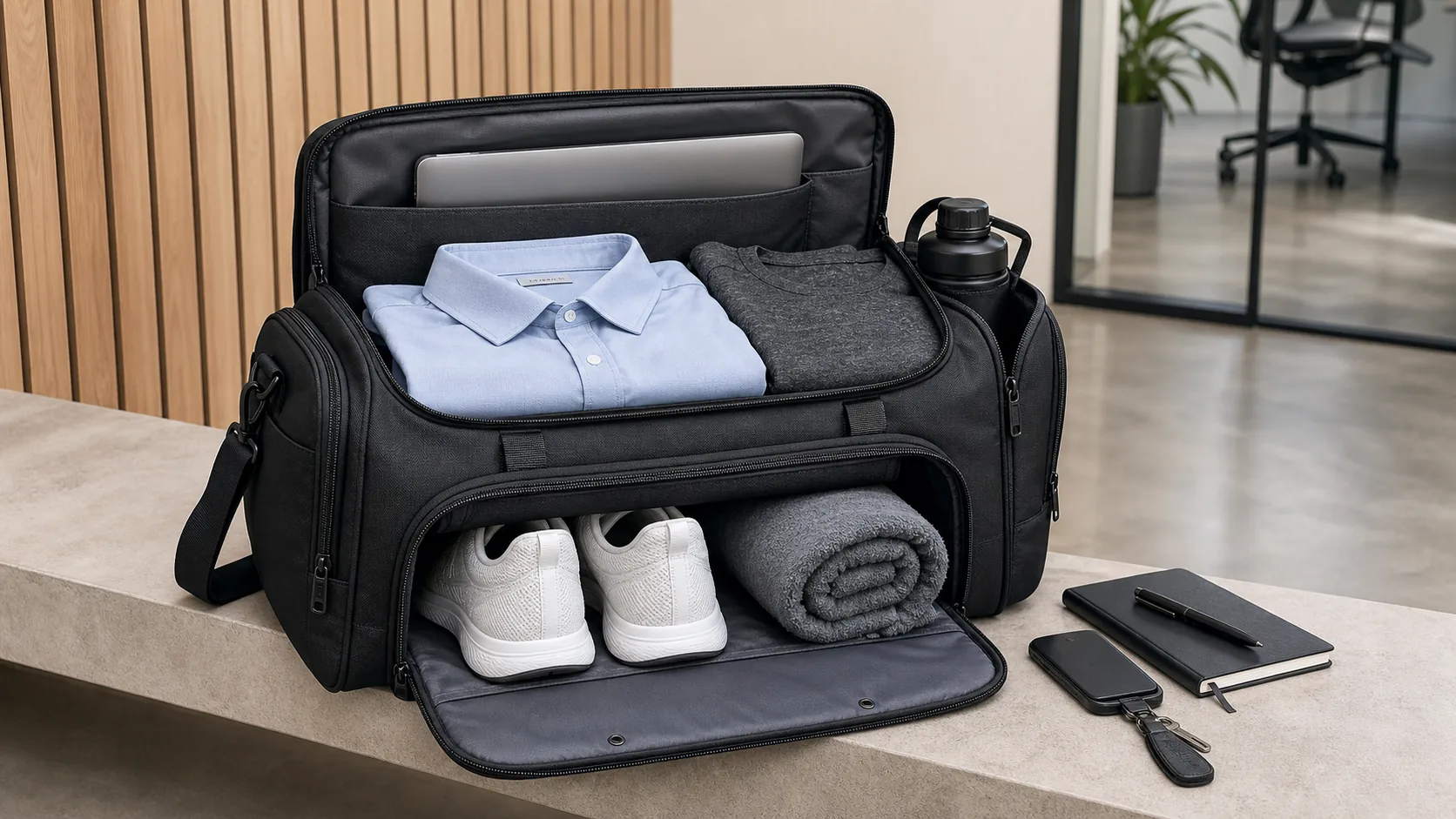
Choosing a modern hybrid design ensures you maintain a clean, professional image. It allows you to carry both your business laptop and workout shoes in one single bag. This eliminates the awkwardness of carrying multiple heavy cases to work.
How to transit from work to workout smoothly
Think about it: transitioning smoothly from a desk to the gym floor requires a bag that isolates your work life from your athletic life. You do not want your corporate files or your laptop getting covered in chalk dust or smelling like damp sweat. Investing in a dual-purpose carrier solves this problem and simplifies your daily schedule.
Look: keeping your professional and active life separated is necessary for mental clarity. It allows you to move smoothly between meetings and training sessions without missing a beat. This high-efficiency layout is a game-changer for corporate professionals.
- Padded compartments protect expensive work laptops.
- Separate dry zones keep documents well crisp.
- Neutral exterior designs match your professional attire.
Can it fit into narrow locker compartments?
But wait, there's more: you must make sure your chosen 40-liter bag can actually fit into standard gym lockers without being crushed. If your bag is too rigid or oversized, you will struggle to secure your items while you train. A flexible yet structured 40-liter bag offers the ideal balance for easy locker storage.
Here is the thing: measuring your favorite fitness center's lockers can save you from purchasing the wrong bag. A flexible fabric design guarantees a hassle-free fit every single day. Key Takeaway: A 40-liter hybrid bag offers a highly professional look while providing sufficient space for your work-to-workout transitions.
- Slides smoothly into narrow vertical locker openings.
- Folds slightly when empty to maximize storage spaces.
- Stands upright to prevent taking up excessive floor space.
| Bag Structure | Locker Fit | Office Suitability |
|---|---|---|
| Semi-Structured | High (Flexible sides) | Professional & modern |
| Hard-Shell / Rigid | Low (Cannot compress) | Oversized & cumbersome |
Whether in the office or locker room, separating specific items like dirty footwear is your next major consideration.
Do you need a separate shoe compartment?
You clearly need a separate shoe compartment if you want to keep your clean clothes, electronics, and food products sanitary and odor-free. When deciding what size should a gym bag be, you must account for how a dedicated shoe pocket will eat into the bag's main compartment volume. In shoe compartment gym bags, that pocket can be the difference between a clean daily carry and a bag that smells stale after one workout. This specialized design adds massive value by isolating dirt, grass, and sweat from your clean wardrobe. It is an necessary feature for anyone who changes footwear before training.
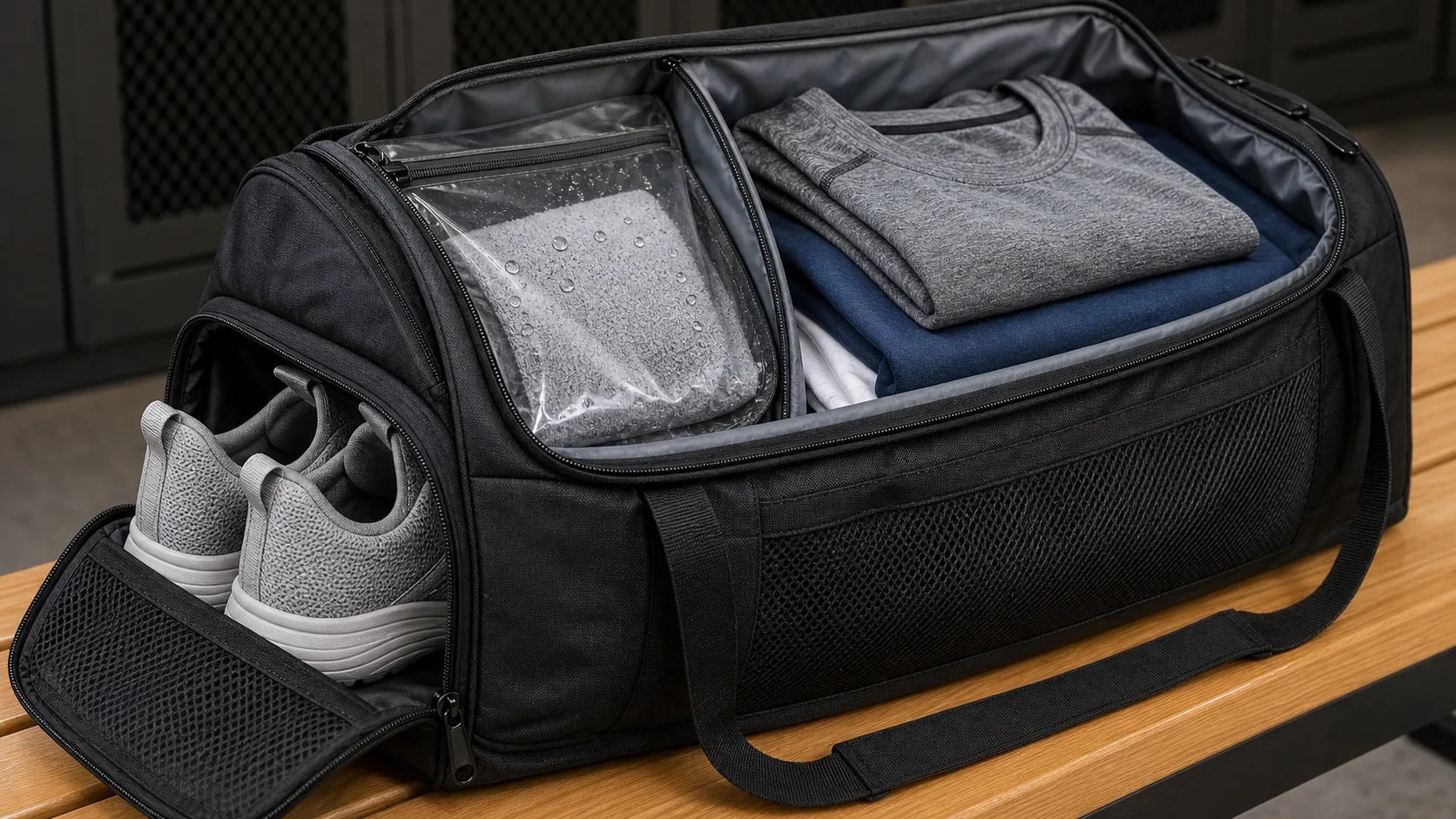
Without this division, your clean training gear will quickly get dusty and dirty. Having an integrated shoe pocket eliminates the need to carry separate plastic bags. This smart addition elevates your total packing efficiency and hygiene.
Why wet and dry items must stay isolated
Look: keeping wet and dry items isolated is key to maintaining a fresh, professional gym bag. If you throw a damp post-workout towel or sweaty tank top into your main compartment, moisture will seep into everything. This ruins clean clothes and can even damage sensitive electronics like headphones.
Think about it: water-resistant divider walls are the best defense against moisture transfer. They create a secure barrier that protects your dry garments and valuables. This small feature provides incredible peace of mind during your daily commute.
- Protects clean shirts from damp towel moisture.
- Keeps wet swimming suits fully isolated.
- Prevents condensation on cold water bottles from leaking.
How to prevent bad odors from spreading
Here is the thing: trapped sweat and damp shoes are a recipe for terrible odors that will quickly ruin your bag's lining. If you do not have proper ventilation, bacteria will multiply, making your gear smell bad even after washing. Utilizing a bag with ventilated mesh panels ensures fresh air circulates continuously through your shoe pocket.
But wait, there's more: keeping your footwear ventilated extends the lifespan of your shoes. It keeps your sneakers fresh and ready for your next training session. Key Takeaway: Dedicated shoe and wet compartments protect your clean clothing and maintain excellent hygiene inside your gym bag.
- Airtight spaces trap moisture and accelerate mold.
- Mesh vents allow sweat to evaporate quickly.
- Isolated pockets trap loose dirt from running trails.
| Storage Type | Odor Control | Hygiene Level |
|---|---|---|
| Single Compartment | Poor (Smells spread) | Low (Dirt transfers) |
| Multi-Compartment | Excellent (Ventilated) | High (Fully isolated) |
With your daily hygiene secured, let us explore how travel and weekend activities expand your size requirements.
How big should a weekend sports bag be?
A weekend sports bag should be between 50 and 60 liters to easily fit multiple changes of athletic clothing, travel necessarys, and spare shoes. Evaluating what size should a gym bag be for weekend tournaments or out-of-town games involves planning for several days of active use. This generous capacity ensures you do not have to leave key recovery tools or personal items behind. It provides the strong physical footprint for multi-day sporting trips.
A weekend-ready bag must be robust yet portable enough for travel. It allows you to pack for both your training sessions and social gatherings. This makes it a versatile lifestyle asset for any active individual.
What to pack for an out-of-town game
Look: packing for an out-of-town game requires careful organization because you cannot easily return home for forgotten gear. You must pack your primary uniform, warm-up layers, casual clothes, extra socks, and personal hygiene products. A spacious weekend duffel makes organizing these varied items stress-free.
Think about it: you need a bag that handles unpredictable weather and scheduling changes. Having ample space ensures you are prepared for any game-day scenario. This keeps your mind focused on winning rather than packing.
- Holds heavy outer hoodies for cold morning warm-ups.
- Provides space for foam rollers and recovery tools.
- Stores specialized nutrition, snacks, and supplements.
Is a 50-liter duffel the right choice?
Here is the thing: a 50-liter duffel bag is the clear strong choice for most weekend athletic trips. It offers ample storage room while still qualifying as a standard carry-on bag for most commercial flights. This allows you to travel light and fast without waiting at airport baggage claims.
But wait, there's more: a 50-liter volume gives you the flexibility to adapt to any travel situation. It bridges the gap between active training and casual travel beautifully. Key Takeaway: A 50 to 60-liter duffel is the ideal travel companion, merging immense storage with convenient flight-friendly dimensions.
- Fits well into standard automobile trunks.
- Offers comfortable handles for long terminal walks.
- Organizes up to three complete sports outfits.
| Duffel Volume | Best Trip Duration | Travel Compatibility |
|---|---|---|
| 50 Liters | 2 to 3 Days | Standard airline carry-on compliant |
| 60 Liters | 3 to 5 Days | Ideal for road trips and heavy gear |
As your bag capacity grows for travel, selecting the right carrying method becomes key for physical comfort.
Which carry style fits your body best?
The carry style that fits your body best is determined by your primary mode of travel and the physical distance you walk with your gear. When reviewing what size should a gym bag be for comfortable carrying, you must match the bag's physical shape to your personal posture. For commuter-focused custom travel backpacks, weight distribution and weather protection can matter as much as raw liter capacity. Backpacks distribute weight evenly across both shoulders, making them ideal for long walking commutes. Duffel bags offer faster, wider access to your gear, which is strong for quick locker room transitions.
Choosing the wrong carrying style can lead to chronic shoulder discomfort. By evaluating your daily transit habits, you can select the most ergonomic setup. This simple decision keeps you comfortable and pain-free on your daily commute.
Should you buy a backpack or a duffel?
Think about it: deciding between a backpack and a traditional duffel comes down to how much you value mobility versus easy access. If you commute on a bicycle or walk long distances, a backpack keeps your hands free and protects your spine. If you drive to your workouts, a duffel bag lets you throw in gear and go.
Look: both styles offer unique functional benefits depending on your daily routine. Finding the right style ensures you do not strain your back during transit. This small choice keeps your energy levels high for your workout.
- Backpacks offer superior weight distribution during long walks.
- Duffels feature wider openings for fast gear packing.
- Hybrid bags easily convert between both styles.
How adjustable straps reduce neck pain
Here is the thing: carrying heavy workout gear with cheap, unpadded straps is a fast track to neck and shoulder pain. Well-built adjustable straps with thick padding absorb shock and distribute heavy loads away from sensitive neck muscles. This small ergonomic design detail makes a massive difference during long, busy commutes.
But wait, there's more: adjustable strap configurations allow you to customize how the bag rides on your body. It ensures a comfortable fit regardless of your physical height or build. Key Takeaway: Selecting an ergonomic carry style protects your body from strain and drastically improves commuting comfort.
- Prevents the bag from bouncing against your lower back.
- Saves your shoulders from painful friction and digging.
- Maintains natural spine alignment under heavy loads.
| Carry Style | Weight Distribution | Access Speed |
|---|---|---|
| Backpack | Excellent (Dual shoulders) | Moderate (Top/zipper access) |
| Duffel Bag | Moderate (Single shoulder) | Fast (Wide-open main cavity) |
No matter how you carry your bag, selecting high-grade, durable materials ensures your investment lasts.
What materials offer the best durability?
The materials that offer the best durability for long-term athletic use are heavy-duty synthetic fabrics like high-denier polyester and reliable ballistic nylon. If you are researching what size should a gym bag be, you must also ensure the material can support the weight of your gear without tearing. Cheap fabrics will quickly wear thin at the bottom, split under pressure, and let external rain ruin your clean clothes. Investing in professional, certified fabrics ensures your bag remains structured and reliable for years of daily workouts.
Durable fabrics are designed to handle rough gym floors, concrete, and constant travel. They protect your expensive training shoes and personal electronics from external damage. Selecting well-built materials ensures your bag looks pristine and performs flawlessly over time.
Why water resistance is a non-negotiable
Look: water resistance is a non-negotiable feature for anyone who commutes in unpredictable weather or places their bag near wet pool decks. A single heavy rainstorm can soak through cheap fabrics and badly damage your dry clean clothing or expensive electronics. Choosing a bag with a polyurethane coating keeps your gear well dry.
Think about it: keeping external moisture out is just as useful as keeping internal leaks contained. It ensures your belongings remain safe, fresh, and dry no matter where you travel. This professional-grade protection is necessary for year-round training.
- Protects valuable work laptops from sudden rain.
- Prevents damp ground moisture from soaking the bag's bottom.
- Cleans easily with a quick towel wipe after muddy outdoor sessions.
How nylon compares to polyester fabrics
Here is the thing: understanding how nylon and polyester compare helps you choose the strong fabric for your training style. Nylon is incredibly lightweight and has higher tensile strength, making it extremely resistant to heavy weight loads. Polyester offers superior resistance to stretching, color fading, and harsh ultraviolet light.
But wait, there's more: both fabrics provide outstanding performance when woven in high denier counts. Choosing the right material ensures your bag stays in peak condition for years of training. Key Takeaway: High-denier synthetic fabrics provide the key durability needed to withstand daily gym wear and wet weather.
- Nylon is highly flexible and soft to the touch.
- Polyester holds its structured shape beautifully when empty.
- Both fabrics resist tearing under heavy daily use.
| Fabric Type | Primary Strength | Ideal Use Case |
|---|---|---|
| High-Grade Nylon | Extreme tear resistance, lightweight | Heavy-duty lifters & trail travelers |
| Reliable Polyester | UV resistance, retains bag shape | Daily commuters & corporate athletes |
With ultra-durable materials secured, you can focus on mastering your internal bag organization.
How do you organize gym gear effectively?
You organize gym gear effectively by utilizing specialized internal mesh pockets, key clips, and dedicated compartments to separate clean clothes from dirty items. Knowing what size should a gym bag be is only half the battle; you must also learn to utilize its internal layout efficiently. In e-commerce bag projects, small pocket placement can affect buyer reviews because daily users notice lost keys, tangled cords, and messy shoe storage quickly. If you throw all your gear into one giant main compartment, you will spend half your workout time searching for small items. A structured organization routine keeps you fast, focused, and prepared for your workouts.
A systematic packing routine prevents you from forgetting key accessories. It ensures your keys, cards, and phone remain safe and easily accessible throughout your busy day. This simple habit saves you valuable time and reduces pre-workout stress.
Where should small accessories be stored?
Think about it: losing your locker keys, wedding ring, or gym pass at the bottom of a massive, dark bag is incredibly frustrating. Small personal items should always be stored in dedicated internal zip pockets or quick-access outer compartments. This keeps your valuables secure and ensures you can grab them in a single second.
Look: well-built bags feature clever small-pocket layouts for strongest convenience. This layout ensures you never waste time digging through a mountain of dirty clothes to find your keys. It keeps your transition completely smooth.
- Mesh internal pockets keep small cords and chargers visible.
- Fleece-lined sleeves protect delicate smartphone screens from scratches.
- Integrated key clips secure your ring or keys safely.
How to keep clean clothes pristine
Here is the thing: keeping your fresh, clean clothes pristine during transit requires isolating them from dusty shoes and damp towels. If you pack everything together, your office change of clothes will arrive wrinkled, dusty, and smelling like sweat. Utilizing internal compression straps and physical divider walls keeps your clean apparel well fresh.
But wait, there's more: rolling your clothes tightly instead of folding them prevents severe creases. This space-saving technique ensures you are always ready for your post-workout meetings. Key Takeaway: Smart internal organization saves time, protects your valuables, and keeps your clean clothes looking well professional.
- Saves massive amounts of physical space in your bag.
- Keeps professional shirts looking neat and crisp.
- Prevents clean garments from touching dirty outsoles.
| Gear Category | Optimal Storage Location | Organization Benefit |
|---|---|---|
| Small Valuables | Fleece-lined zip pocket | Zero scratches, quick access |
| Clean Apparel | Main compartment (Rolled) | Wrinkle-free, fresh smell |
Mastering your internal packing setup prepares you to make your final, ideal bag selection.
How do you choose your ideal workout bag?
You choose your ideal workout bag by matching your weekly training frequency, travel distance, and gear requirements to a functional, durable design. Finding what size should a gym bag be for your lifestyle requires a realistic assessment of what you actually carry on your heaviest training days. If you only exercise occasionally, a simple, lightweight carrier will serve you beautifully. For frequent athletes, investing in a robust, multi-compartment duffel provides the reliability you need.
Your final choice should merge outstanding physical comfort with reliable, long-lasting materials. It must align well with both your professional work dress code and your athletic needs. This guarantees a satisfying experience every single time you pack your gear.
What features offer long-term value?
Look: true long-term value comes from reliable design elements like heavy-duty metal hardware, robust stitching, and self-repairing zippers. Cheap bags might look attractive initially, but their seams will quickly fail, and their zippers will split under pressure. Investing in quality manufacturing saves you money and prevents embarrassing bag breaks in public.
Think about it: looking for these necessary indicators of durable bag construction ensures you are getting a reliable product. It prevents you from having to purchase a new bag every few months. This attention to detail defines well-built performance gear.
- Double-stitched seams at major weight-bearing joints.
- Smooth, heavy-duty metal or reliable SBS zippers.
- Thick, padded shoulder straps that distribute heavy loads.
How to customize your bag for your brand
But wait, there's more: if you run a fitness brand, gym, or sports club, custom-branded bags are an incredible marketing tool. Collaborating with a professional manufacturer allows you to select custom dimensions, colors, and add your official brand logo. This creates a highly professional, cohesive look that your members and clients will love to carry.
Here is the thing: custom bag manufacturing is a smooth and affordable process when partnering with experts. It is an excellent way to boost brand loyalty and increase your business's market visibility. Key Takeaway: Choosing a bag with well-built components and optional custom branding guarantees immense long-term value and brand visibility.
- Choose tailored colorways that match your brand identity.
- Add custom embroidery or durable silicone logo prints.
- Select the exact pocket configurations your athletes demand.
| Buyer Type | Key Priority | Recommended Action |
|---|---|---|
| Individual Athlete | Comfort, personal pocket layout | Select correct volume & materials |
| Gym / Brand Owner | Customization, high quality, Low MOQ | Partner with ZW Bag Manufacturer |
With your ideal bag criteria fully defined, taking action with a trusted manufacturing partner is your next logical step.
FAQ
Can I use a standard school backpack as a gym bag?
Yes, you can, but it is highly inefficient for long-term use because school backpacks lack dedicated ventilation and wet-dry separation. This means your sweaty gym shoes and clothes will quickly cause dampness and bad odors to ruin your school books or laptop.
What's the best size for a gym bag if I run to my workouts?
A 20-liter backpack is the strongest choice because it offers a compact, aerodynamic profile that fits snugly against your back while running. Any larger capacity will sag, bounce excessively, and cause painful shoulder chafing during your commute.
How do I know if my gym bag is too big?
It is too big if your bag constantly sags when packed or cannot fit inside a standard fitness facility locker. If you find yourself carrying mostly empty space and loose, sliding gear, you should downsize to a more compact, structured capacity.
Can I wash my heavy-duty gym bag in a washing machine?
No, you should never wash it in a machine because machine washing can strip away the specialized water-resistant coatings and damage the internal structural seams. Instead, you should always hand-wash your bag using a damp cloth, mild detergent, and let it air dry completely.
How do I know if I need a separate shoe compartment?
You definitely need one if you carry outdoor training shoes or specialized lifting footwear to the gym. A dedicated shoe pocket keeps dirty outsoles and trapped moisture fully isolated from your clean towels, hygiene products, and shirts.
Finding the ideal gym bag size is one of the most effective ways to simplify your daily fitness routine and keep your workout gear organized, safe, and clean. From compact 20-liter minimalist packs to heavy-duty 50-liter multi-sport duffels, selecting the correct capacity ensures you have exactly what you need for peak performance.
If you are a business owner, fitness brand, or corporate buyer looking to design and manufacture durable, functional athletic bags customized to your target market's needs, we are here to support you. Once a winning capacity and pocket layout is proven, a fast replenishment project can also help keep popular SKUs available during peak demand. Let us help you engineer well-performing gear with low minimum order quantities, rapid 7-day sampling, and 100% pre-shipment quality control-contact us today to start your custom project.