
CORDURA vs ripstop is a fabric-brand comparison with a construction term, not a choice between two equivalent fibers. CORDURA identifies a branded fabric program; ripstop describes a reinforcement structure. Compare specific fabrics for the same bag use, with their composition, construction, finish, and relevant evidence identified.
What Are You Actually Comparing in CORDURA vs Ripstop?
The names describe different parts of a specification. Neither supplies the complete material description or a universal performance grade.
| Specification layer | What to identify | How the terms relate |
|---|---|---|
| Brand or approval program | Brand, fabric identity, applicable approval | CORDURA belongs at this layer |
| Fiber | Polymer or blend composition | A name alone is not a composition report |
| Yarn | Linear density, filament and yarn construction | Matching yarn size does not establish equal performance |
| Fabric construction | Base weave and reinforcement structure | Ripstop belongs at this layer |
| Finish or backing | Coating, lamination, treatment, and face side | Record the actual build |
| Bag assembly | Panels, seams, attachments, closures | Fabric evidence does not cover the complete assembly |
A fabric can fall within a brand program and use ripstop construction. Do not assume the two descriptions exclude each other, or that every fabric in either group shares one specification.
Start by identifying two actual fabric articles. Then state the intended bag zone and the requirement being compared. “Which is stronger?” needs a property and method before it can produce a useful answer.
For the fiber layer, see nylon fabric for bags. Other construction comparisons remain separate; the guide to Oxford fabric construction addresses that term rather than treating it as another name for CORDURA.
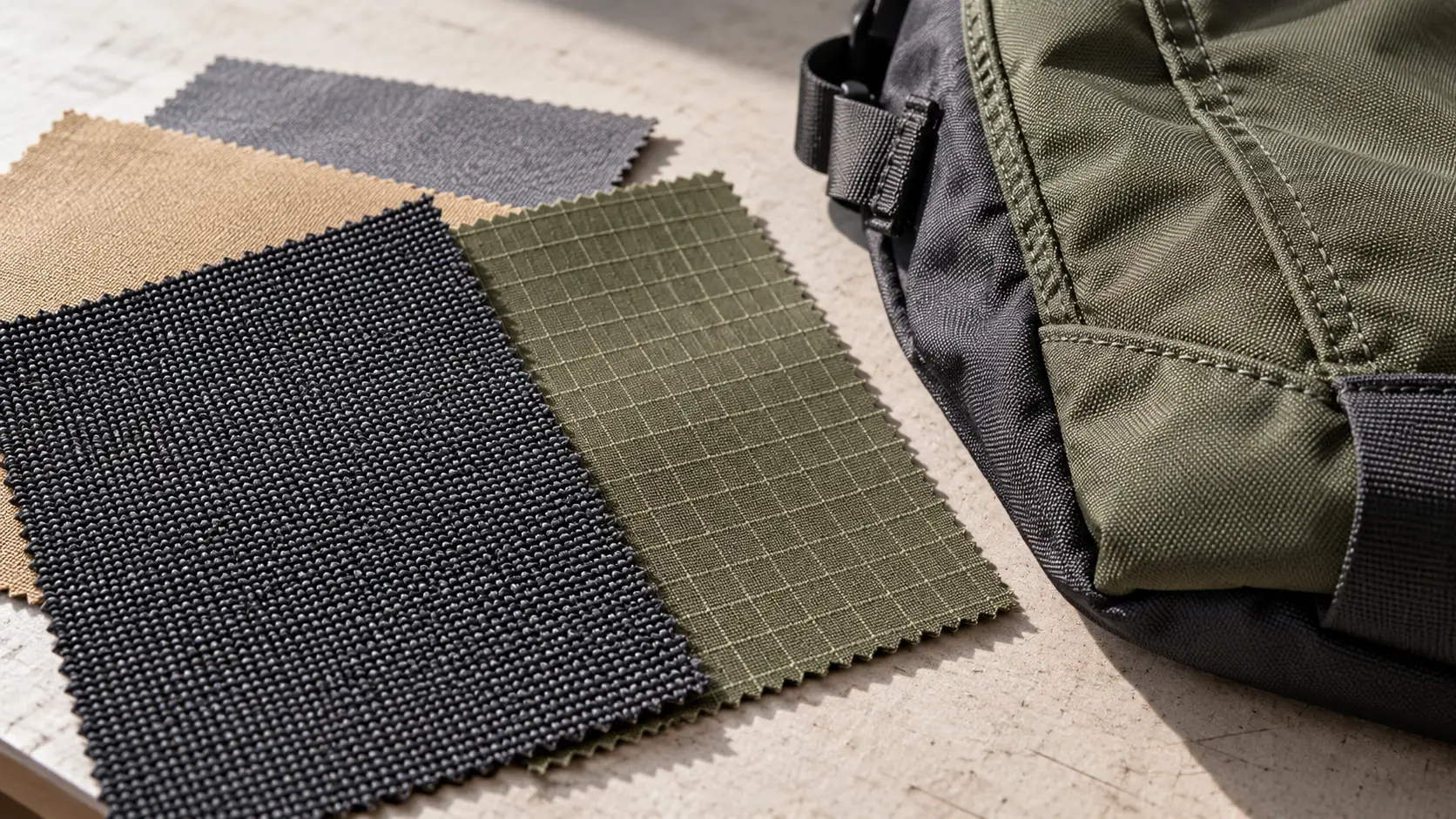
What Does the CORDURA Name Tell You-and Not Tell You?
The CORDURA FAQ describes an ingredient-brand model in which certified mill partners produce fabrics. Its Brand Quality Standards govern fabric approval, and its branding arrangements involve trademark licensing.
That identifies a sourcing and approval framework. It does not tell you which fabric article is in a particular quote.
Ask for the fabric identity, mill, technical data sheet, and relevant approval documentation. Put those records beside the quotation, rather than accepting a description such as “CORDURA-grade.”
Check the details the name leaves open:
- Fiber and yarn specification.
- Base construction, including any ripstop grid.
- Finished mass and thickness.
- Coating, backing, finish, and color.
- Test results relevant to the intended panel or bag use.
Keep purchasing, fabric approval, and permission to use a mark separate. Buying a material is not sufficient evidence of on-product branding rights. Confirm the current requirements with the brand before using its logo, hangtag, or sew-in label.
This guide makes no claim that ZWbags or a particular supplier has brand approval or a licensing agreement.
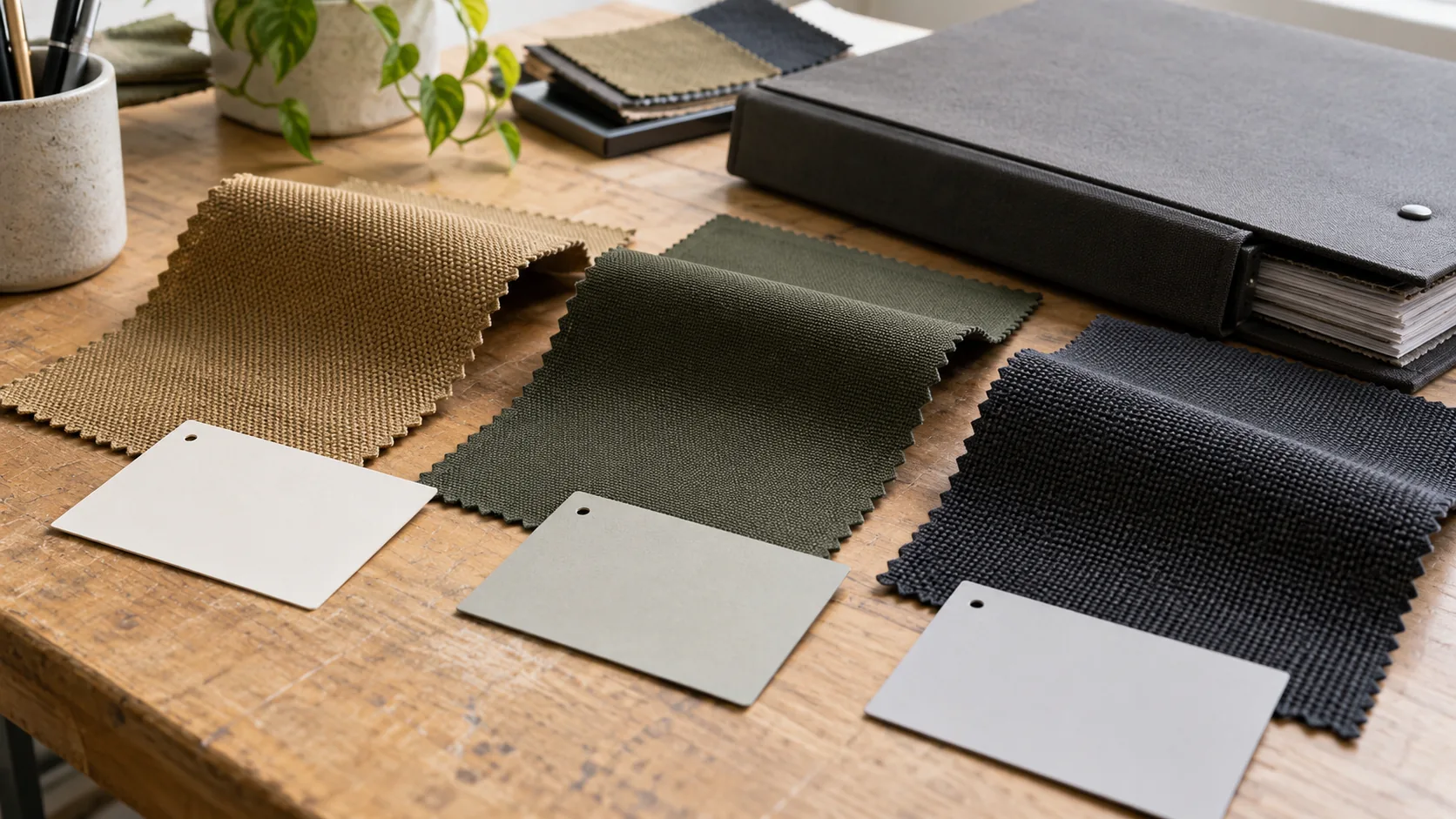
What Does Ripstop Construction Tell You-and Not Tell You?
Ripstop refers to reinforcement incorporated into a woven structure. Bientech’s technical fabric overview describes a reinforcement grid formed during weaving and lists different fiber and blend constructions. This is first-party textile information, not a bag-performance ranking.
A visible grid can help identify a construction feature. It cannot verify polymer, yarn specification, coating, or a measured tear result.
Two swatches with similar grid spacing may still differ in base weave, mass, backing, and finish. Treat a visually similar substitution as a proposed material change until the relevant specification and performance requirements have been checked.
Do not assign every property to the material “around” the grid. The fabric construction is part of the tested system, including reinforcement yarns. Nor does the label mean that a tear will always stop at the next grid line.
For purchasing, record both the base construction and the reinforcement details supplied by the mill. Ask for measured results for the property you need instead of converting grid spacing into strength or durability.
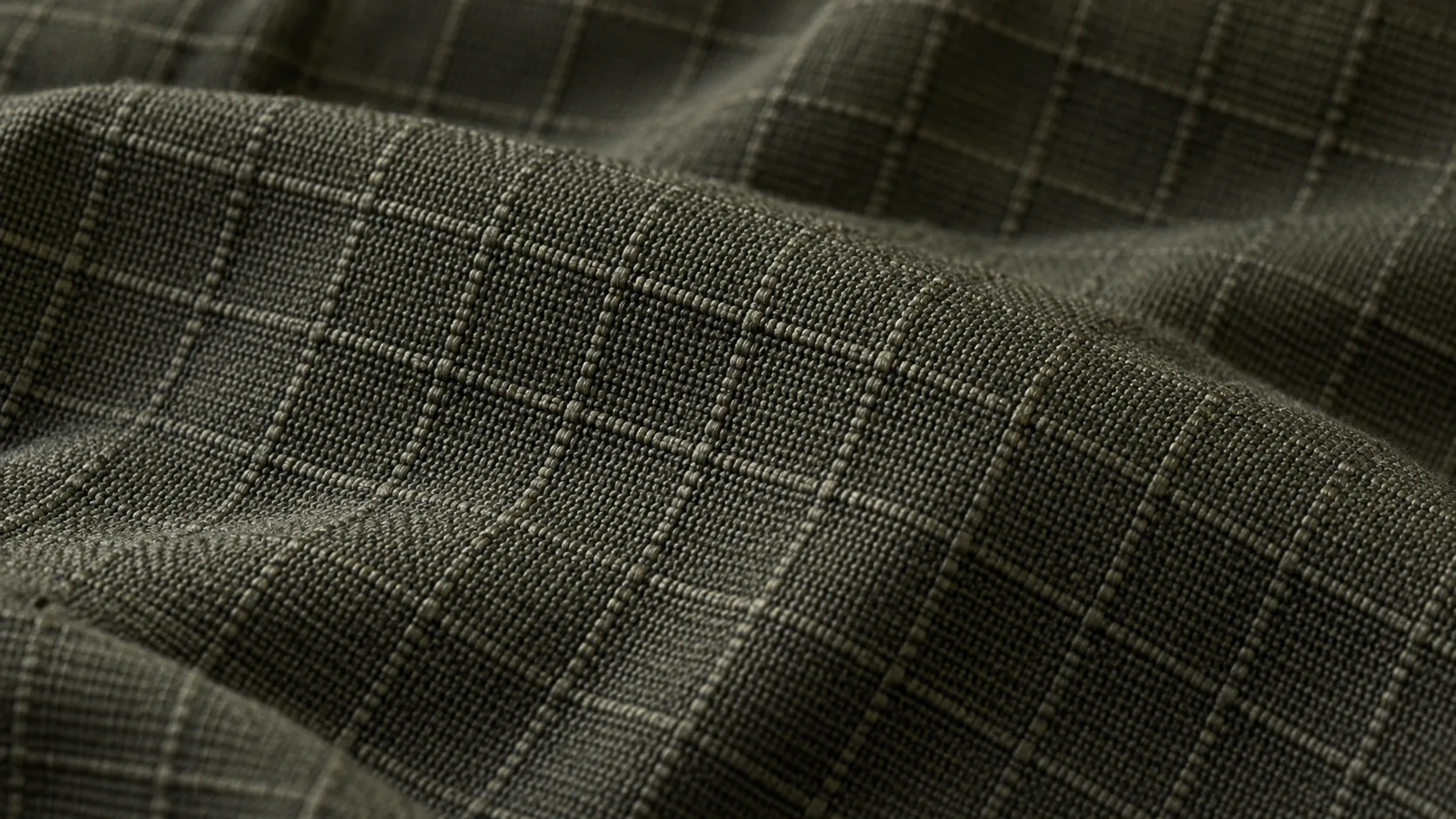
Which Specifications Should Be Recorded Before Comparing Performance?
First decide which question you are asking:
- End-use selection: Which complete fabric specification better meets this bag requirement?
- Controlled comparison: What changes when one particular variable changes?
Different weights or coatings can be compared for an end-use decision using an appropriate method and compatible conditions. But if several variables change together, the results do not isolate the effect of the brand, grid, coating, or weight alone.
Use the worksheet to make those differences visible.
| Field | Fabric A | Fabric B |
|---|---|---|
| Fabric code, mill, and report identity | To be supplied | To be supplied |
| Fiber and blend | To be supplied | To be supplied |
| Yarn linear density and construction | To be supplied | To be supplied |
| Base weave and reinforcement details | To be supplied | To be supplied |
| Finished mass and thickness, with units | To be supplied | To be supplied |
| Coating, lamination, backing, and face side | To be supplied | To be supplied |
| Finish and color | To be supplied | To be supplied |
| Property, method, and edition | To be supplied | To be supplied |
| Specimen direction and conditioning | To be supplied | To be supplied |
| Device, settings, endpoint, and units | As applicable | As applicable |
| Laboratory, date, sample state, and limitations | To be supplied | To be supplied |
A different specimen is not necessarily a different measurement method. Conversely, identical units do not prove that two tests measure the same thing.
Matching denier is one recorded field, not a shortcut past this worksheet. The guide to what denier measures explains yarn linear density separately from finished fabric mass and performance.
If a report leaves a decision-critical field unclear, ask the laboratory or supplier to clarify it. Do not fill the gap with a “typical CORDURA” or “typical ripstop” value assembled from unrelated fabrics.
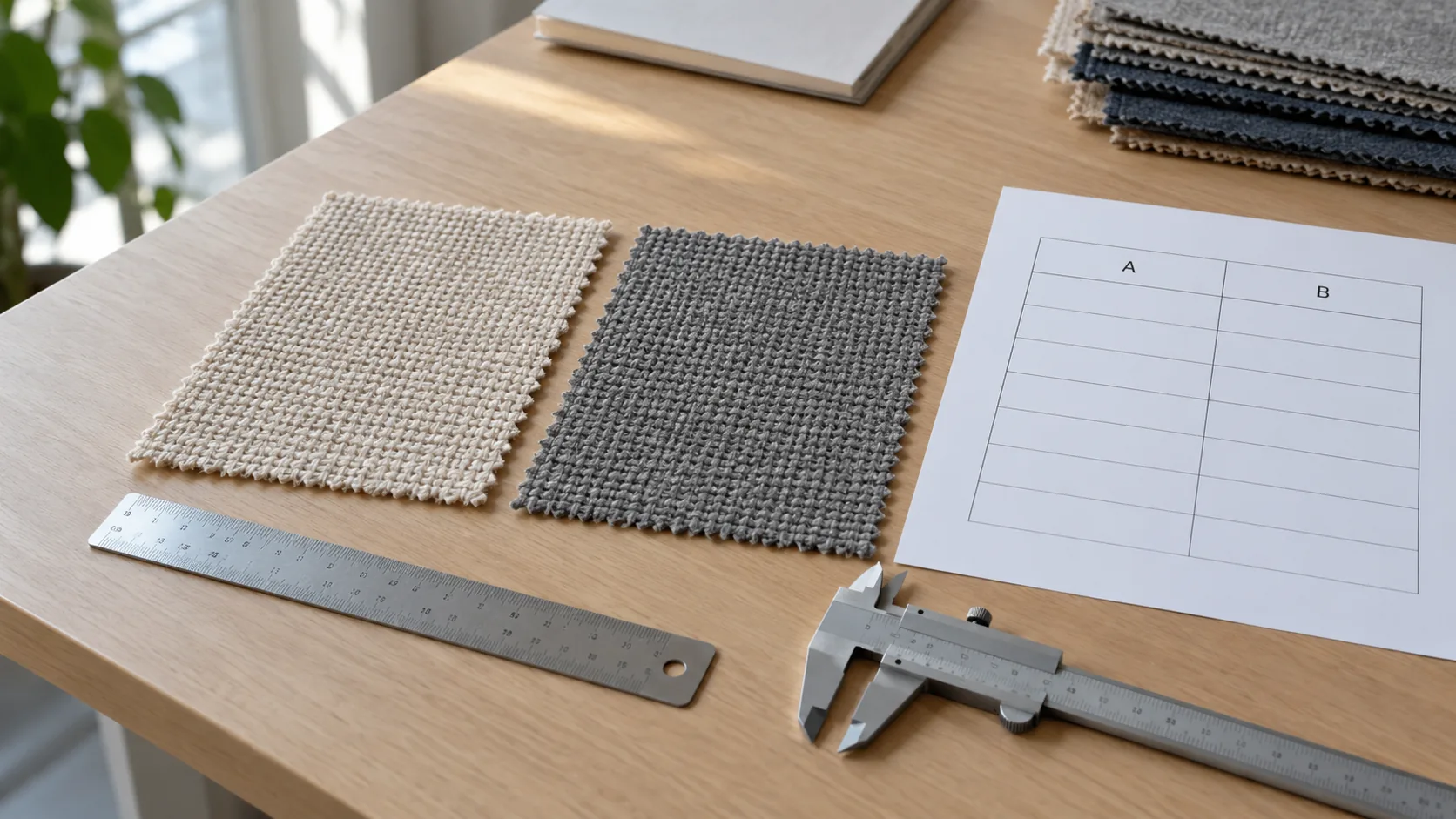
How Do Abrasion, Tear, Tensile, and Water Claims Differ?
“Stronger” can refer to several different tests. Select the property from the failure question rather than the largest available number.
Abrasion
ASTM D3884-22 is a guide for rotary-platform abrasion testing. Its public summary identifies fabric and finish variables, test conditions, and evaluation as influences on results. It also cautions against predicting actual wear life without evidence relating the laboratory test to the intended use.
Keep the device, abradant, load, motion, evaluation endpoint, and result expression with the report. A cycle count from one abrasion procedure is not automatically interchangeable with a count from another.
Tear versus tensile breaking
ASTM D2261-13(2024) concerns tongue single-rip tearing. The tear is initiated before testing, so the result is not directly the force needed to start a tear.
ASTM D5034-21(2025) concerns grab and modified-grab breaking strength and elongation. It measures a different response; the public summary also says there is no simple relationship between grab and strip results.
A ripstop construction can influence more than one response. Do not claim that its grid affects tearing but has no effect on tensile behavior, or treat a tear result as proof of puncture resistance.
Fabric water resistance
AATCC TM127 measures fabric resistance to water penetration under hydrostatic pressure. Its scope identifies fiber and yarn repellency and fabric construction as relevant, and distinguishes these results from rain or spray tests.
Coating and lamination matter, but they are not the entire explanation. A fabric-level report also does not establish how a completed bag performs: panel materials, seams, needle holes, closures, joins, and other components are part of that system.
No fabric in this guide is ranked by an invented tear force, abrasion count, waterproof rating, or expected service life.
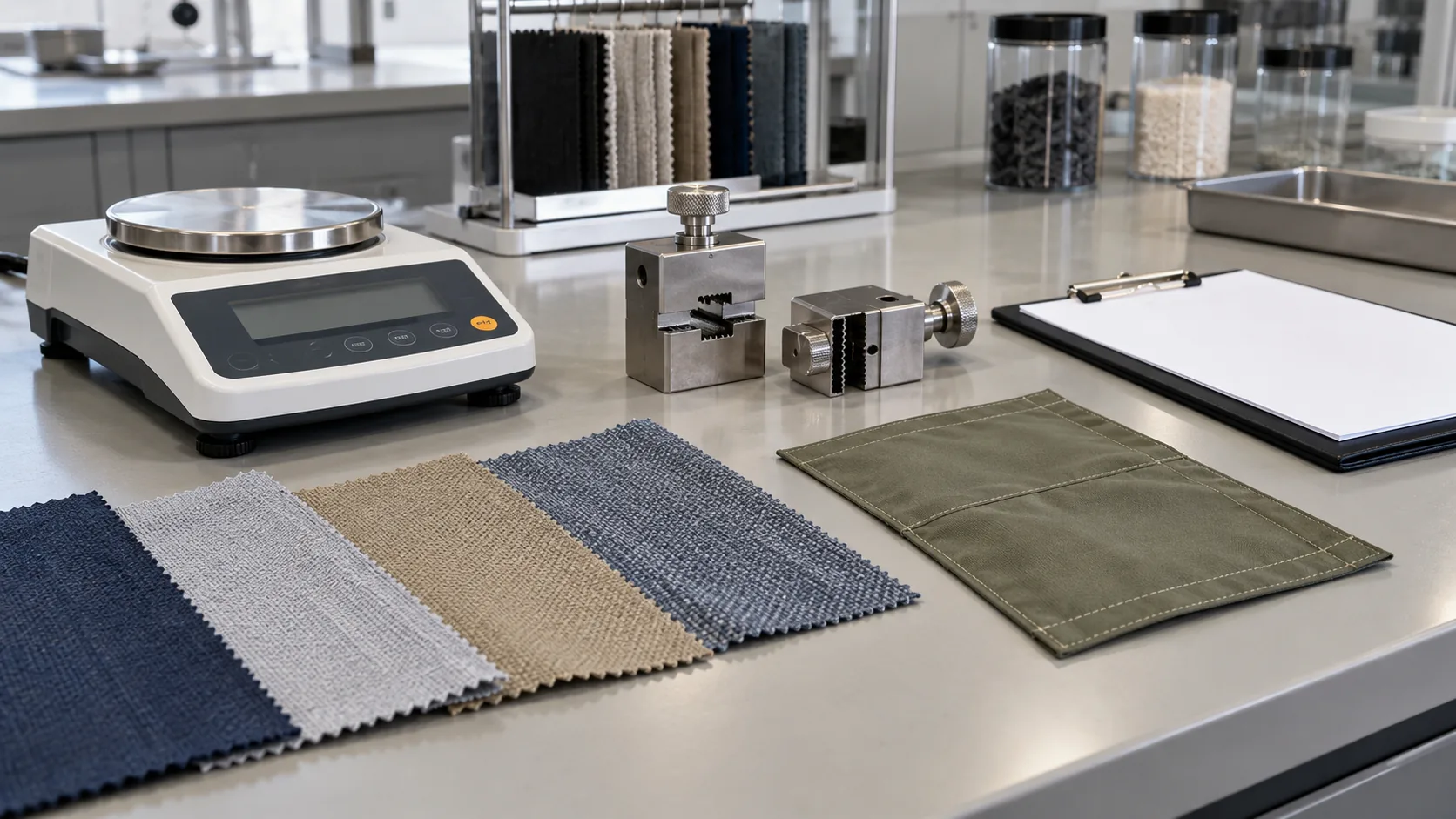
Where Can Each Construction Make Sense in a Bag?
Neither name assigns the fabric to a particular bag zone. Define the exposure and function first, then evaluate candidates.
| Bag zone | Questions to define | Evidence to request when relevant |
|---|---|---|
| Body panel | Snag exposure, flexing, handling, weight target | Exact material specification and appropriate tear or flex evidence |
| Base | Ground contact, set-down use, moisture exposure | Relevant abrasion evidence and assembly-level checks |
| Reinforcement or strap connection | Load path, geometry, attachment design | The actual sewn construction and suitable connection testing |
| Lining | Contents, rubbing, access, surface requirements | Material identity and checks matched to the intended contents |
| Opening use, edge construction, catching or rubbing | Material, binding, closure, and assembly checks | |
| Internal organizer | Shape, weight, seams, intended load | Relevant assembly and edge checks |
A lighter body with separate reinforcement is one design option, not a universal best practice. Likewise, a heavier fabric is not automatically suitable for the base, and a certified fabric is not automatically a heavy-duty specification.
A proposed change may affect both the fabric and its connection to the bag. Specify the complete construction that will be evaluated, including thread, seam, reinforcement, and hardware where relevant.
Keep requirements proportionate to the intended use. A low-load organizer does not automatically need the same verification plan as a load-bearing strap attachment.
What Evidence Should Buyers Request From a Supplier?
Request documents against the claims actually made. The following is an evidence-request matrix, not a mandatory test package for every bag.
| Question | Record to request | Boundary to preserve |
|---|---|---|
| What material is quoted? | Fabric code, mill, composition, construction, finish | A name or swatch appearance is not a complete specification |
| What does the brand claim cover? | Relevant fabric approval and branding records | Purchase, approval, and mark-use permission are separate |
| What abrasion result is claimed? | Method, edition, device, conditions, endpoint | Do not compare bare cycle counts |
| What tear or tensile result is claimed? | Procedure, direction, conditioning, units | Do not substitute one strength property for another |
| What fabric water result is claimed? | Hydrostatic, rain, or spray method as applicable | A fabric result is not a completed-bag result |
| What happens at a sewn connection? | Construction description and suitable test evidence | A fabric report does not test the seam automatically |
| What color or coating behavior matters? | The applicable property, method, and result | Appearance inspection is not a performance report |
Make sure the quoted article and tested specimen can be connected through their identities. If a report covers another finish, backing, color, or construction, clarify the relevance rather than silently treating it as evidence for the proposed material.
For a new bag project, bring those requirements to the custom bag development discussion. The link is a next step for a brief, not a claim that a particular fabric or completed bag has been tested.
What Should Be Checked on a Sewn Sample?
Separate three tasks: document matching, visual inspection, and performance testing. Each answers a different question.
Document matching: Connect the sample to its fabric code, revision, mill, and reports. State whether it is a prototype, approval reference, or production sample; do not assume that a showroom swatch represents the later lot.
Visual and assembly inspection: Check panel placement, accessible coating surfaces, seams, reinforcement, binding, and closures against the specification. Appearance alone cannot confirm fiber composition, hidden coating integrity, seam strength, or water resistance.
Performance testing: Use the applicable standard or a defined project protocol for the intended scenario. Choose the relevant fields: sample configuration and identity, preconditioning, fixture or connection, load and its distribution, closure state, duration or cycles, inspection points, endpoint, and result record. Cite controlled defaults, mark non-applicable fields, and leave undefined requirements as open items.
A casual scratch, tug, or splash can be an observation, but it is not a substitute for a reproducible test. Do not turn an ad hoc sample demonstration into a lifetime or whole-bag performance promise.
Keep the approved reference’s identity and scope clear. It defines what later material or assemblies are compared with; it does not guarantee that future lots match. Later-lot conclusions need their own relevant checks or records.
When a substitution changes the weave, finish, backing, or assembly, decide which evidence remains applicable and which checks need repeating before approving the change.
Frequently Asked Questions
Is CORDURA stronger than ripstop?
Neither label gives a universal strength result. Compare two identified fabrics using the appropriate method and conditions for the property and bag use you care about.
Can a fabric be both CORDURA and ripstop?
The descriptions are not mutually exclusive. Confirm the brand-program identity and the actual weave or reinforcement structure from the specific fabric documentation.
Does higher denier mean better abrasion resistance?
Denier is yarn linear density, not an abrasion rating. Record it alongside fiber, yarn construction, fabric structure, and finish, then use appropriate abrasion evidence.
Is ripstop fabric waterproof?
The name does not establish water resistance. The material and construction need relevant evidence, and a fabric report does not certify the seams, closures, or other parts of a completed bag.
What must be clear before two test reports are compared?
Identify the property, method and edition, specimen, direction, conditioning, relevant device settings, endpoint, units, and laboratory. Resolve differences that affect the conclusion instead of comparing the headline numbers alone.